We're an award winning Antenatal and Postnatal Education Platform 2025!
(read more here)
CubCare blogs.
From early pregnancy to newborn development.
Advice to help through pregnancy, birth and childhood.
BLOG

What does early pregnancy feel like (4–8 weeks)? Symptoms explained clearly
"This is what throws people in early pregnancy — your body can feel completely different before anything looks different, and because no one really explains that properly, every change can feel more alarming than it needs to." - Jilly Clarke, First Trimester Antenatal Specialist, Antenatal Educator and Doula
Early pregnancy doesn’t feel how most people expect it to.
It often starts before anything looks different — when your body already feels unfamiliar, but you don’t yet have much reassurance to anchor it.
Most people don’t experience one clear symptom.
They notice a mix of things:
• a heavy, sudden fatigue that doesn’t match their day
• bloating that appears far earlier than expected
• nausea that comes and goes, or sits quietly in the background
• dizziness or that slight delay when you stand up
• smells, food, or environments suddenly feeling harder to tolerate
And because these changes often arrive before a scan, before appointments, and before anything visible confirms what’s happening, they can feel confusing and difficult to interpret.
Early pregnancy usually feels like multiple systems shifting at once — energy, digestion, circulation, sensory tolerance — rather than one clear signal.
What does early pregnancy feel like at 4–8 weeks?
Early pregnancy usually feels like a combination of physical changes rather than one clear symptom.
Most people notice:
• fatigue that feels heavier than expected
• nausea or changes in appetite
• bloating or digestive changes
• dizziness or light headedness
• breast tenderness that may come and go
• symptoms that fluctuate from day to day
These changes are driven by rising hormones such as progesterone and hCG, along with shifts in blood pressure, digestion and circulation.
For most people, this stage feels inconsistent rather than steadily progressing — which is why it can feel harder to interpret than later pregnancy.
When early pregnancy symptoms usually start
Most early pregnancy symptoms begin somewhere between weeks 4 and 6, then build or fluctuate across the following few weeks.
Two hormones are doing a lot of the early work here.
Progesterone relaxes smooth muscle throughout the body, which affects digestion, circulation, fatigue and sleep.
hCG rises rapidly in early pregnancy and is strongly linked with nausea, smell sensitivity and the general “something is different” feeling many people notice once symptoms get going. Nausea and vomiting of pregnancy commonly begin around 6–8 weeks, which is one reason week 5 can feel quiet and week 7 can feel completely different.
At the same time, your body is beginning to develop the placenta, increase blood volume, shift circulation toward the uterus and adapt your nervous system to a new internal environment.
So early pregnancy often doesn’t feel like one symptom.
It feels like a collection of small but noticeable changes that don’t always seem connected until someone explains them properly.

Trying to understand the first trimester more clearly?
The First Trimester can be confusing and worrying with so many different symptoms, and ones that come and go. Never mind thinking about appointments, and how to navigate the rest of pregnancy.
The CubCare First Trimester Course explains what’s happening week by week — symptoms, scans, hormones and early pregnancy changes — so you don’t have to piece everything together from late-night searches. When you understand what your body is doing, you can understand pregnancy properly.
→ View the First Trimester Course
What does early pregnancy feel like at 4–5 weeks?
For many people, the earliest sensations are surprisingly physical rather than dramatic.
You may not feel “obviously pregnant” yet, but your body can already feel a bit unfamiliar.
Mild cramping or pelvic awareness
One of the earliest things people notice is a low, heavy, slightly pulling feeling in the pelvis.
Sometimes it feels like period cramps. Sometimes it’s more of an awareness than pain — a sense that something is happening low down in the body.
These sensations are usually mild and intermittent rather than intense.
If that’s something you’re noticing, this breaks it down properly:
→ Cramping in early pregnancy without bleeding
Bloating that arrives far earlier than expected
A lot of people expect bloating later.
Then early pregnancy happens and suddenly clothes feel tighter by the evening, your abdomen feels fuller, and eating can feel strangely uncomfortable even when you still need to keep eating to manage nausea.
That usually comes down to progesterone slowing digestion and making the gut move more slowly.
→ Early pregnancy bloating — why it starts so early
Breast tenderness that doesn’t always stay consistent
Breasts can feel fuller, heavier or more sensitive very early on because of increased blood flow and glandular change.
For some people that tenderness is obvious. For others it comes and goes.
That inconsistency is often what unsettles people most.
→ My breasts have stopped hurting at 6–8 weeks pregnant — should I worry?
Fatigue that feels out of proportion
This is often one of the first symptoms people really feel in their day.
You might feel absolutely fine in the morning and then hit a wall in the afternoon that feels much heavier than ordinary tiredness. Not just sleepy. Heavy. Slower. Like your body has stopped keeping pace with the rest of your life.
→ Why am I so tired at 5–8 weeks pregnant?

What does early pregnancy feel like at 6–7 weeks?
By weeks six and seven, symptoms often become harder to ignore.
This is usually the point where people start thinking, oh, this is really happening in my body now.
Nausea and food aversions
This is when nausea often starts properly.
Sometimes it shows up as obvious sickness. Sometimes it’s more subtle — a queasy, unsettled feeling, particularly if your stomach is empty. Certain foods suddenly seem impossible. Smells you normally wouldn’t notice now feel overwhelming.
→ Morning sickness explained — why early pregnancy nausea happens and what helps
Smell sensitivity
A lot of people are caught off guard by this one.
Coffee, cooking smells, perfume, even the fridge can suddenly feel overwhelming. There’s a reason this shifts so quickly. Sensory tolerance changes in early pregnancy, and smell is one of the first places people notice it.
Dizziness or light headedness
Changes in blood pressure and circulation can make you feel faint, floaty or slightly off balance, particularly when you stand up quickly or go too long without eating.
It can feel strange when it happens suddenly, but it’s common this early on.
→ Lightheaded in early pregnancy: why dizziness happens at 5–9 weeks
Headaches that seem to come out of nowhere
For some people, weeks 5–9 also bring headaches — often linked to circulation changes, dehydration, blood sugar dips, fatigue and sleep disruption.
→ Headaches in early pregnancy: why they happen at 5–9 weeks and when to get checked
Symptoms that don’t stay the same from one day to the next
This is the point where a lot of people start worrying because symptoms rarely stay consistent.
You can feel strongly pregnant one day and noticeably better the next.
That doesn’t mean something has gone wrong. It often means your hormones are rising in waves and your body is responding unevenly.
→ Pregnancy symptoms coming and going
You might also notice your body reacting differently to everyday routines. Something as simple as brushing your teeth can suddenly become difficult — you get halfway through and your body interrupts you with a gag reflex that wasn’t there a few days ago.
→ Gagging when brushing teeth in early pregnancy (5–9 weeks): is this normal?
What does early pregnancy feel like around 8 weeks?
Around eight weeks, many people feel like symptoms become more established, even if they still fluctuate.
Fatigue and nausea often feel stronger around this stage. Sleep can change. Dreams can become more vivid. Waking in the night becomes more common. You may feel physically and mentally more affected by pregnancy than you did a fortnight earlier.
That shift makes sense.
Hormone levels are rising rapidly, circulation is adapting, digestion has slowed, sleep is often lighter, and the placenta is developing quickly.
This is also why the body can feel different from one day to the next.
It’s not inconsistent because your pregnancy is unstable.
It’s inconsistent because several systems are adapting at once.
If sleep has started to feel different too, these may help:
→ Why dreams are so vivid in early pregnancy
→ Why you keep waking up at night in early pregnancy
Why early pregnancy symptoms sometimes disappear or feel quieter
Many people worry when symptoms suddenly fade.
Nausea eases. Breasts feel less sore. Energy lifts slightly. And suddenly the absence of symptoms feels more significant than the symptoms themselves.
In reality, early pregnancy symptoms often fluctuate because hormone levels don’t rise in a smooth line. They rise in waves, and your body adapts in waves too.
Breast tenderness, nausea and fatigue can all appear and disappear temporarily without that meaning anything is wrong.
If that specific fear is familiar, this explains it properly:
→ Pregnancy symptoms disappeared overnight at 6–8 weeks — is it normal?
And if the quieter days leave you feeling like you don’t feel pregnant at all:
→ Not feeling pregnant at 5–7 weeks — is it normal to have no symptoms?
Other first-trimester changes people often search for
Early pregnancy brings a lot of small but noticeable changes that people often end up Googling late at night because no one has explained them clearly.
People often search for:
• brown discharge or spotting
• one-sided pain
• cramping without bleeding
• feeling lightheaded
• waking during the night
• vivid dreams
• symptoms that seem to vanish and return
These are all common — but what they mean depends on the full picture of what your body is doing.
Pain and bleeding in early pregnancy should always be interpreted in combination with what else is happening. NICE guidance for early pregnancy complications focuses on symptoms such as pain and bleeding together, especially where symptoms are worsening or severe.
If you need those specifics, start here:
→ Brown discharge and spotting in early pregnancy
→ One-sided pain in early pregnancy: when it’s common and when it needs checking
What makes early pregnancy feel so unsettling
Part of what makes early pregnancy hard is not just the symptoms themselves.
It’s the lack of context.
Your body changes quickly. Symptoms come and go. There may be no visible bump yet. Many people haven’t had a scan. And most of the information available online is either too vague to help or so extreme that it makes everything feel worse.
That’s why understanding early pregnancy properly changes the whole experience.
When you know that fatigue, dizziness, smell aversions, bloating, nausea and changing breast tenderness can all happen for physiological reasons that make sense, the first trimester stops feeling quite so mysterious.
Understanding early pregnancy makes the first trimester easier to navigate
If you’re trying to make sense of all of this while it’s happening, the First Trimester Course gives you a clear, structured understanding of what’s going on in your body week by week — so you’re not relying on Google to piece it together.
It covers:
• what’s normal between weeks 4–12
• why symptoms change
• what needs checking
• and how to actually handle this stage day to day
• what's important to get in place early, for the rest of pregnancy to feel easier.
It’s £29 with immediate access.
Because reassurance in early pregnancy shouldn’t depend on guessing what a symptom means.

Easily navigate to our most popular Blog categories
Download our Freebies
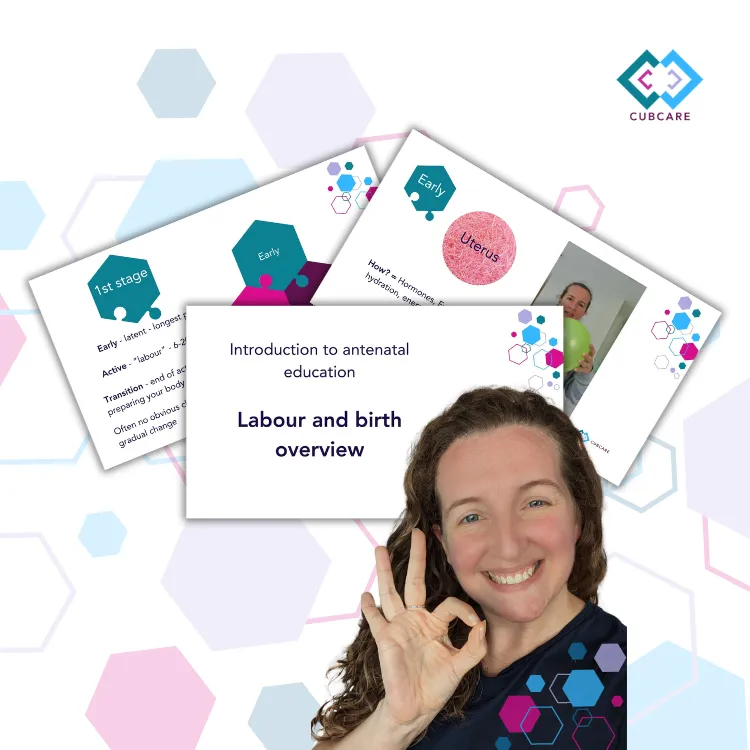
Labour and Birth
Watch our introduction to antenatal education webinar, our labour and birth overview - to start your antenatal education journey. Understanding the process, and what you can do to influence it.

Pregnancy Planner
Free Pregnancy Planner to help you prepare for a little one. Prepare your body, your mind, your finances and your home. Get organised, feel good and prepare for an active, positive birth.
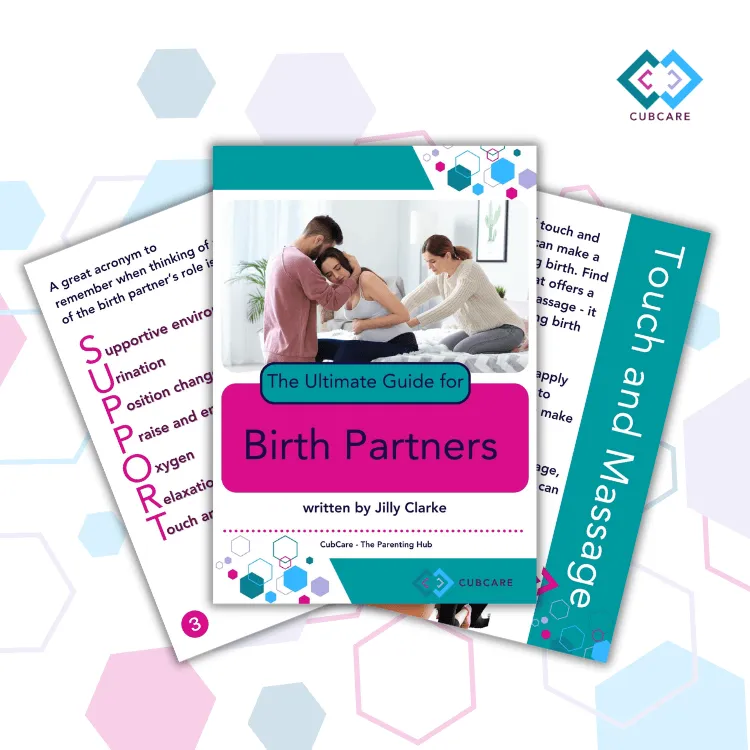
Birth Partner Guide
Your ultimate guide to being the best birth partner during pregnancy, birth and recovery. Learn what you need to do, and what you need to learn to be the best birth partner possible.
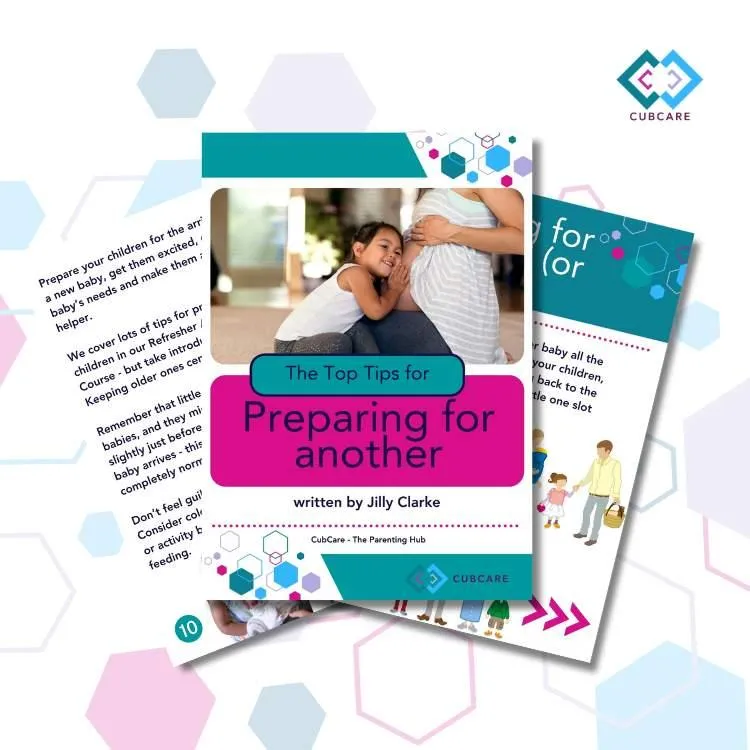
Expecting Again Guide
Your ultimate guide to preparing for another birth and an extra baby. Our top tips for navigating pregnancy and birth, and helping your older ones to transition into their new role as a big sibling.


Based in Welwyn Hatfield, offering local pregnancy support and doula services across Hertfordshire: St Albans, Hatfield, Welwyn Garden City, Potters Bar, Stevenage, Harpenden, Hitchin, Barnet, Mill Hill and surrounding areas.
Online antenatal and postnatal education available UK-wide.
© Copyright 2026 CubCare The Parenting Hub. CubCare is operated by The Birth and Baby Company Ltd. Company No. 15655287
Privacy Policy | Terms & Conditions | Medical Disclaimer | Inclusivity and Accessibility