
We're an award winning Antenatal and Postnatal Education Platform 2025!
(read more here)
CubCare blogs.
From early pregnancy to newborn development.
Advice to help through pregnancy, birth and childhood.
BLOG

Pregnancy symptoms disappeared overnight at 6–8 weeks — is this normal?
"The scariest early pregnancy symptom isn’t always what you feel. It’s waking up and realising you don’t feel it anymore. You spend time wishing you didn't feel awful, and the moment you do, the worry kicks in." - Jilly Clarke, First Trimester Antenatal Specialist, Antenatal Educator and Doula
If your pregnancy symptoms disappeared overnight at 6–8 weeks, it can feel terrifying.
One day you felt nauseous, wiped out, bloated, tender — absolutely certain something is happening in your body.
The next day… you wake up and it’s gone quiet.
And your brain does what brains do in early pregnancy: it tries to fill in the blank.
Before you spiral — this can be completely normal.
Symptoms can fluctuate significantly between 6 and 10 weeks. Early pregnancy is hormonally intense, and your body does not adapt to that in a neat straight line.
Can pregnancy symptoms disappear overnight at 6–8 weeks?
Pregnancy symptoms can disappear overnight at 6–8 weeks because hormone levels and symptom sensitivity fluctuate in early pregnancy. Nausea, fatigue and breast tenderness often come and go during the first trimester. A sudden change in symptoms alone is not a reliable sign of miscarriage — but heavy bleeding or severe pain should always be checked.
I’ll talk you through what’s going on here.
When symptoms are the only thing you’ve got to go on
If your symptoms have suddenly disappeared and you’re trying to work out what that means, it’s very easy to start using symptoms as your only reference point.
The problem is — symptoms change.
The First Trimester Course gives you a clear way to understand what’s happening from the start, so you’re not relying on symptoms alone to decide if everything is ok.
→ View the First Trimester Course
Why pregnancy symptoms can disappear at 6, 7 or 8 weeks
Early pregnancy symptoms are driven primarily by hormones — especially hCG, progesterone and oestrogen.
The key thing most people aren’t told: hormone levels do not rise in a smooth, predictable line.
hCG, progesterone and oestrogen are rising and shifting in complex patterns. Your body is adjusting to concentrations it has never carried before.
You can have days where your body “catches up” and you feel more like yourself. Then two days later you can be back on the sofa, holding back nausea, wondering how you ever managed to function.
That fluctuation is common.
Some people experience strong symptoms that come and go — and others feel almost nothing in the early weeks.
Early pregnancy symptoms rarely follow a neat pattern. One day nausea or breast tenderness may settle, while another symptom — like light headedness — can suddenly appear as circulation changes.
→ Lightheaded in early pregnancy: why dizziness happens at 5–9 weeks
Breast tenderness is another common trigger for this worry. Many people notice it suddenly eases around six weeks, but this is usually part of normal hormone fluctuation.
→ My breasts stopped hurting at 6–8 weeks pregnant — should I worry?

Are disappearing symptoms at 6–8 weeks normal?
In many cases — yes.
Symptom reduction is usually considered normal when:
• There is no heavy bleeding
• There is no severe abdominal pain
• There is no persistent one-sided pain
• You don’t feel faint alongside pain
• Symptoms return intermittently
Early pregnancy rarely behaves consistently. Many people report a pattern of:
• Several intense days
• One unexpectedly good day
• Symptoms returning
• A new symptom replacing the old one
Fluctuation alone is not diagnostic.
It’s very common for early pregnancy symptoms to fluctuate rather than progress in a straight line. Breast tenderness, nausea and fatigue can all ease for a while before returning later.
→ Pregnancy symptoms coming and going: why early pregnancy symptoms fluctuate
How hormones affect nausea, fatigue and breast tenderness
If nausea is your main symptom, it’s understandable that changes feel loaded.
hCG has long been associated with nausea because symptom timing overlaps with the rapid rise of this hormone. But research shows the relationship is complex and not cleanly predictive.
A 2021 peer-reviewed review in Frontiers in Medicine explains that while hCG likely contributes to nausea and vomiting of pregnancy, it is not the sole driver and symptom severity varies widely between individuals.
This matters. Because if nausea drops for a day or two, that does not mean hormone levels have collapsed. It may mean your body has adjusted to the current levels.
Fatigue behaves similarly. Progesterone affects blood vessels, circulation and sleep architecture. Some days your body tolerates that better than others.
Breast tenderness fluctuates with oestrogen sensitivity. It can ease and return.
Symptoms shift.

Can loss of symptoms mean miscarriage?
This is the question underneath the search.
The honest answer: symptoms alone cannot confirm miscarriage.
NICE guidance for early pregnancy complications makes it clear that diagnosis of miscarriage relies on clinical assessment and ultrasound criteria — not on symptom disappearance alone.
Loss of symptoms without bleeding or pain is not used as a diagnostic marker.
That doesn’t make the fear irrational.
It just means your body’s symptom pattern is not a reliable measuring tool.
If you’re trying to understand what’s normal across different symptoms
If you’re piecing together multiple symptoms at once and trying to make sense of what’s happening, these will help you understand the bigger picture:
→ Early pregnancy cramps — why they feel like your period and when to get checked
→ Brown discharge at 4–8 weeks pregnant: normal spotting or miscarriage?
→ Pregnancy symptoms coming and going: why early pregnancy symptoms fluctuate
→ Gagging when brushing teeth in early pregnancy (5–9 weeks): is this normal?
When to contact your GP, midwife or Early Pregnancy Unit
Seek medical assessment if symptom changes are accompanied by:
• Heavy bleeding (more than spotting or increasing flow)
• Severe abdominal pain
• Persistent one-sided pain
• Feeling faint or unwell alongside pain
• Shoulder tip pain
• Fever
These combinations warrant assessment.
Symptom absence on its own does not.

Why early pregnancy feels so frightening
There’s a predictable emotional sequence here.
You wake up and notice your nausea is gone. Or your breasts don’t ache. Or you suddenly have energy.
For a moment you feel relief.
Then doubt arrives.
Then you start checking — smelling food to see if it turns your stomach, pressing your breasts, replaying yesterday.
Early pregnancy gives you almost no external data. Your body becomes your only feedback system.
So when that feedback shifts, it feels destabilising.
The scariest early pregnancy symptom isn’t always what you feel. It’s waking up and realising you don’t feel it anymore.
That reaction makes sense.
What to do if your pregnancy symptoms suddenly stop
If you wake up and symptoms have eased:
Check for bleeding.
Notice whether there is significant pain.
Pay attention to your overall wellbeing.
If none of the red flags are present, give it 24–48 hours.
Symptoms frequently return. Or another symptom replaces the previous one.
If anxiety is overwhelming, you are allowed to seek reassurance. You do not have to wait until something is catastrophic to contact your GP or midwife.
Understanding first trimester symptom patterns week by week
If you want to understand what’s happening across weeks 4–12 — and how symptoms naturally rise and fall during this stage — this guide walks you through it week by week:
→ What happens in the first 12 weeks of pregnancy? Week-by-week body changes explained
And if you’re trying to work out what’s common in early pregnancy and what needs checking, you can explore the full overview here:
→ First Trimester: What’s normal, what’s checked, and what actually matters
Support for when symptoms suddenly change in early pregnancy
If symptoms are your only reference point, this spiral keeps happening.
They change — and you’re straight back trying to work out what it means.
That feeling doesn’t disappear later.
You’re still second-guessing — just with different symptoms, different appointments, different decisions. At 20 weeks, at 25 weeks, at 32 weeks.
The First Trimester Course gives you a clear path from the start — so the rest of your pregnancy doesn’t feel like this.
→ Explore the First Trimester Course

Easily navigate to our most popular Blog categories
Download our Freebies
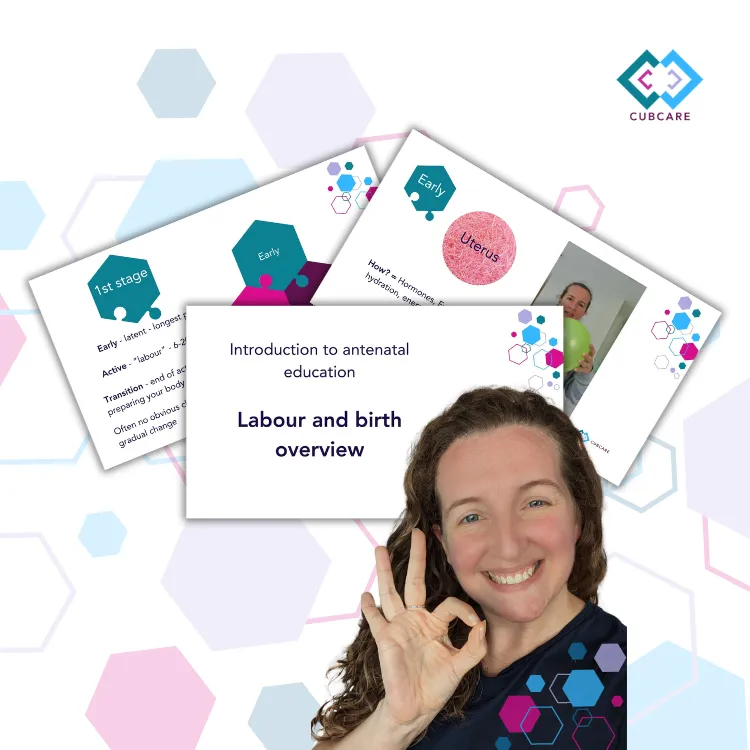
Labour and Birth
Watch our introduction to antenatal education webinar, our labour and birth overview - to start your antenatal education journey. Understanding the process, and what you can do to influence it.

Pregnancy Planner
Free Pregnancy Planner to help you prepare for a little one. Prepare your body, your mind, your finances and your home. Get organised, feel good and prepare for an active, positive birth.
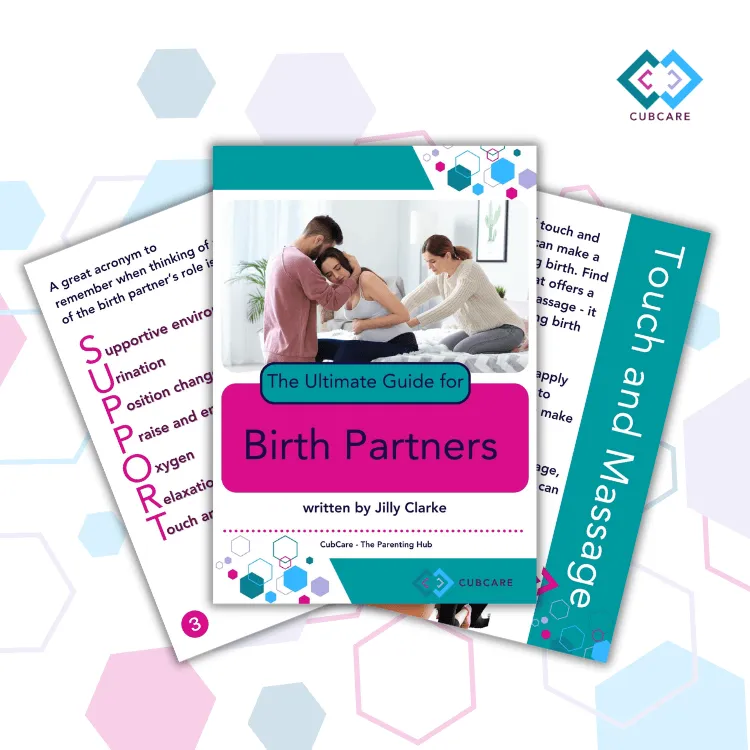
Birth Partner Guide
Your ultimate guide to being the best birth partner during pregnancy, birth and recovery. Learn what you need to do, and what you need to learn to be the best birth partner possible.
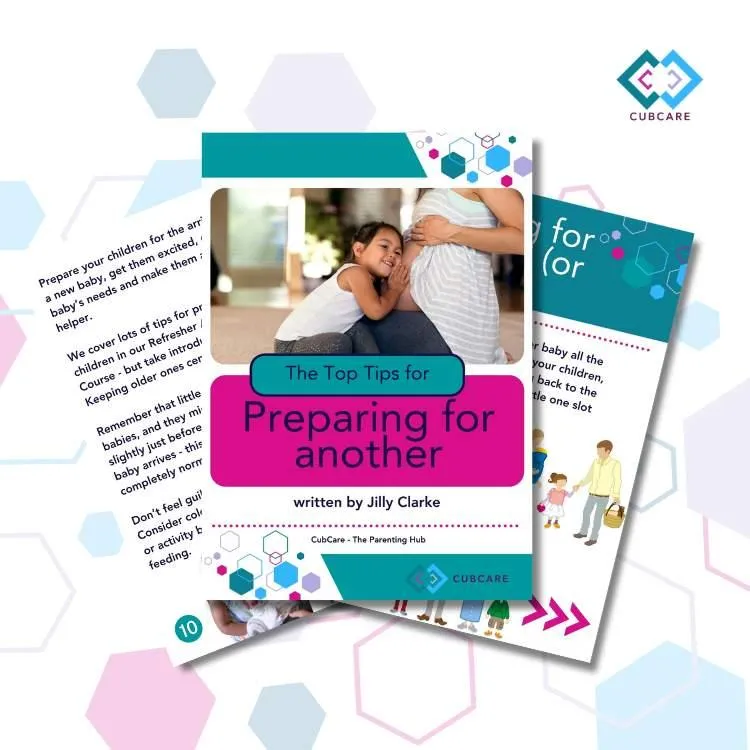
Expecting Again Guide
Your ultimate guide to preparing for another birth and an extra baby. Our top tips for navigating pregnancy and birth, and helping your older ones to transition into their new role as a big sibling.


Based in Welwyn Hatfield, offering local pregnancy support and doula services across Hertfordshire: St Albans, Hatfield, Welwyn Garden City, Potters Bar, Stevenage, Harpenden, Hitchin, Barnet, Mill Hill and surrounding areas.
Online antenatal and postnatal education available UK-wide.
© Copyright 2026 CubCare The Parenting Hub. CubCare is operated by The Birth and Baby Company Ltd. Company No. 15655287
Privacy Policy | Terms & Conditions | Medical Disclaimer | Inclusivity and Accessibility