We're an award winning Antenatal and Postnatal Education Platform 2025!
(read more here)
CubCare blogs.
From early pregnancy to newborn development.
Advice to help through pregnancy, birth and childhood.
BLOG
One-sided pain in early pregnancy: common causes at 4–8 weeks and when to get checked
"When someone tells me they felt pain on one side in early pregnancy, the first thing they usually describe isn’t the pain itself. It’s the moment of worry that followed it." - Jilly Clarke, First Trimester Antenatal Specialist, Antenatal Educator and Doula
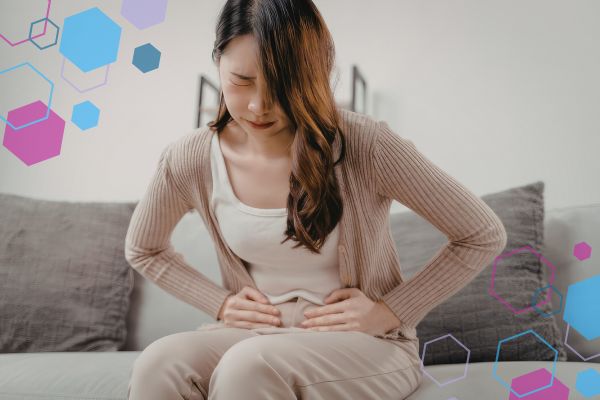
You might be rolling over in bed or standing up from the sofa when you feel it.
A quick pull low in your abdomen.
A sharper sensation on one side of your pelvis.
Something that makes you stop and notice your body.
Almost immediately your brain starts trying to interpret what it means.
Pain on one side in early pregnancy can feel very specific, and anything that feels specific tends to feel alarming. Many people have already heard that one-sided pain can be associated with ectopic pregnancy, so the mind often jumps there quickly.
But the body has several very ordinary reasons for producing one-sided sensations in the first few weeks of pregnancy.
Understanding what structures are adapting in early pregnancy helps you separate normal physiological change from symptoms that genuinely need medical assessment.
What can cause one- sided pain in early pregnancy?
One-sided pain in early pregnancy can occur as the uterus adapts, ligaments stretch, digestion slows, or the ovary that released the egg continues producing hormones. Mild, brief or positional pain is often normal. Persistent or severe pain — particularly if it occurs with bleeding, dizziness or shoulder pain — should always be checked by a healthcare professional.
Why you might feel pain on one side in early pregnancy
The first trimester involves an enormous amount of internal change.
Blood flow to the pelvis increases rapidly. Hormones alter muscle tone throughout the abdomen and digestive tract. The uterus begins thickening its muscular wall and establishing the placenta.
Because many of these changes happen within a small area of the body, the sensations they create can feel very localised.
Several normal processes can create pelvic discomfort that appears to sit on one side.
This is where early pregnancy either starts to make sense — or keeps feeling uncertain
When symptoms are the only thing you’ve got to go on, everything feels reactive.
You notice something. You Google it. You settle — briefly — until the next thing shifts.
You end up piecing pregnancy together moment by moment, without ever really understanding what’s happening.
The First Trimester Course gives you a clear structure for weeks 4–12 — so you’re not constantly responding to symptoms, but understanding what your body is doing and what’s coming next.
Because the first trimester isn’t something you just get through. It shapes how the rest of pregnancy feels.
→ Start the First Trimester Course
If you’re trying to understand what’s common in early pregnancy versus what needs checking:
→ what’s normal in the first trimester and what needs checking
Corpus luteum pain: the ovary that supports early pregnancy
After ovulation, the ovary that released the egg forms a temporary hormone-producing structure called the corpus luteum.
Its job is to produce progesterone during the earliest weeks of pregnancy, helping maintain the uterine lining until the placenta is able to take over hormone production.
Because ovulation only occurs on one ovary each cycle, the corpus luteum sits on one side of the pelvis. That means sensations related to it can feel localised to that side.
Some people notice:
a dull ache
intermittent twinges
mild tenderness on one side of the lower abdomen
These sensations usually settle as the placenta gradually takes over progesterone production around the end of the first trimester.
Medical descriptions of early pregnancy physiology highlight the role of the corpus luteum in supporting hormone production during the first trimester The Normal Menstrual Cycle and the Control of Ovulation - Endotext - NCBI Bookshelf
If you’re also experiencing cramping or spotting and trying to work out what’s normal, you may want to read:
→ Early pregnancy cramps — why they feel like your period and when to get checked
Round ligament pain in early pregnancy: sharp twinges when you move
Another common cause of one-sided pelvic pain involves the ligaments that support the uterus.
The round ligaments extend from the uterus through the pelvis and into the groin. As the uterus begins to change position and increase in size, these ligaments start adapting to accommodate that shift.
Ligaments respond strongly to movement and tension, which is why the sensations they produce are often:
sudden
sharp
brief
triggered by movement
Many people notice these sensations when rolling over in bed, standing up quickly, coughing, or twisting.
The feeling is often described as a quick pulling or stabbing sensation on one side of the pelvis that disappears quickly.
These ligament changes can begin much earlier than most people expect, because the uterus starts adapting long before there is a visible bump.
Can digestion or trapped wind cause one-sided pain in early pregnancy?
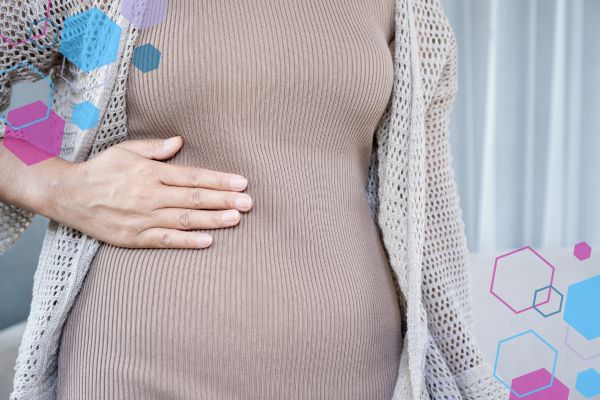
Yes — digestive changes are actually a very common cause of early pregnancy pelvic discomfort.
Progesterone relaxes smooth muscle throughout the body, including the muscles that move food through the digestive system.
When those muscles relax, digestion slows down.
Food moves through the intestines more slowly, which increases the likelihood of gas, bloating and pressure within the abdomen.
Because the intestines sit close to the uterus, digestive pressure can easily feel like pelvic or uterine pain.
Clinical reviews of gastrointestinal function in pregnancy explain that progesterone-mediated relaxation of smooth muscle reduces gut motility and contributes to abdominal discomfort during pregnancy. Gastrointestinal diseases during pregnancy: what does the gastroenterologist need to know? - PMC
If bloating is part of what you’re noticing as well, this guide explains why that sensation starts so early:
→ early pregnancy bloating — why it starts so early
Can tight muscles or the psoas cause one-sided pelvic pain in early pregnancy?
Not all early pregnancy pelvic discomfort comes from reproductive organs.
The psoas muscle runs from the lower spine through the abdomen and attaches to the top of the thigh bone. Because of its position it sits extremely close to the uterus, ovaries and intestines.
If one side of the psoas is tighter or working harder than the other — something that’s common in people who sit frequently or carry asymmetry through the pelvis — it can create a deep pulling sensation on one side of the lower abdomen.
Early pregnancy can make this more noticeable.
Hormones begin altering muscle tone, digestion slows, and fatigue often changes how people sit and move. These shifts can highlight imbalances that were already present.
If you want to understand this muscle in more detail and why it becomes even more important as pregnancy progresses, you can read more here:
→ how the psoas muscle influences pregnancy, posture and birth

Is one-sided pain at 5–7 weeks pregnant normal?
In many cases it can be.
Pelvic discomfort that is mild, intermittent and influenced by movement is commonly reported during early pregnancy.
Many people notice it particularly around five to seven weeks, when hormonal shifts and uterine changes are accelerating.
Pain that settles with rest, changes position, or disappears quickly is often linked to ligaments, muscles or digestive changes rather than pregnancy complications.
However, symptoms should always be considered in context. Pain alone rarely provides a diagnosis.
When one-sided pain in early pregnancy should be checked by a doctor
Some combinations of symptoms should always be assessed by a healthcare professional.
Contact your GP, midwife, or Early Pregnancy Unit if you experience:
heavy bleeding
worsening abdominal pain
persistent pain on one side
shoulder tip pain
dizziness or faintness
feeling generally unwell
These symptoms can indicate ectopic pregnancy, which occurs when a pregnancy implants outside the uterus.
NICE guidance explains that ectopic pregnancy often presents with unilateral abdominal pain and bleeding, although symptoms can vary between individuals:
Early assessment is important if these symptoms appear.
Why one-sided pain can feel so frightening in early pregnancy
When people tell me about one-sided pain in early pregnancy, the story usually includes the same moment.
They felt something unusual in their body, and within seconds their mind filled in the worst explanation.
That reaction makes sense.
Pain on one side feels specific, and specificity invites interpretation. Many people have already read about ectopic pregnancy symptoms before they’ve even reached their first scan.
At the same time, early pregnancy offers very little external reassurance. Unless someone has arranged a private scan, there may not yet have been ultrasound confirmation that everything is progressing normally.
So the body becomes the main source of information.
When a new sensation appears, it feels important.
Part of my role is helping people slow that moment down. Not to dismiss the sensation, but to place it in the context of everything else the body is doing during early pregnancy.
Once those physiological explanations are understood, the sensation often becomes far less frightening.
What helps ease mild pelvic pain in early pregnancy
If pelvic discomfort is mild and not accompanied by red-flag symptoms, gentle adjustments can often help.
Movement is particularly useful.
Slow walking, gentle pelvic mobility and regular position changes can reduce tension through the ligaments and abdominal muscles.
Supporting digestion also makes a difference. Staying hydrated and avoiding long periods of sitting with the abdomen compressed can reduce gas-related pressure.
Breathing can help too.
Allowing the breath to move into the lower ribs and abdomen — rather than bracing through the stomach — can reduce muscular guarding that sometimes intensifies pelvic discomfort.
This is exactly where most people start trying to manage symptoms without really understanding what’s driving them.
Inside the First Trimester Course, you’re not guessing — you’re shown what’s happening in your body and how to respond to it, step by step.
Understanding early pregnancy symptoms week by week
Many early pregnancy sensations make far more sense once you understand the physiology of the first trimester.
The uterus is increasing blood supply, thickening its muscular wall and establishing the placenta within the uterine lining.
Hormones are altering digestion, circulation and muscle tone.
Ligaments and connective tissue are beginning to adapt for the months ahead.
All of that change creates sensation.
If you want to understand how these changes unfold across the first trimester, this guide walks through what happens in weeks 4–12:
→ what’s happening in your body between weeks 4 and 12
And if you’re trying to understand what’s common in early pregnancy versus what needs checking:
Support for navigating early pregnancy with more confidence
You can keep reacting to every new sensation as it shows up.
Or you can understand what your body is doing — and stop second-guessing it.
The First Trimester Course takes you through weeks 4–12 properly, so you know what’s normal, what needs checking, and how to respond as things change.
→ Start the First Trimester Course
Refresher Antenatal Course in person
Refresher Antenatal Course online
Antenatal Course in person
Antenatal Course online

Easily navigate to our most popular Blog categories
Download our Freebies
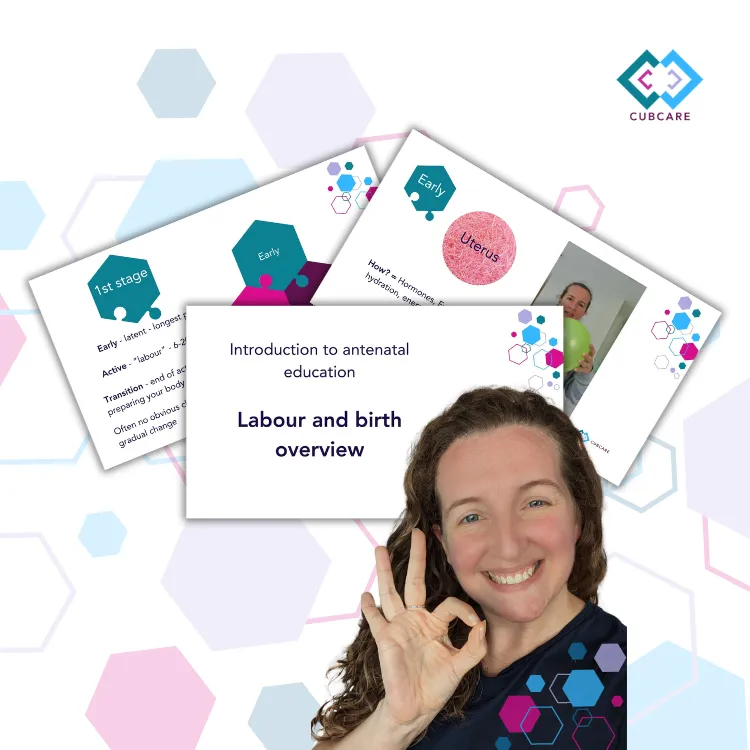
Labour and Birth
Watch our introduction to antenatal education webinar, our labour and birth overview - to start your antenatal education journey. Understanding the process, and what you can do to influence it.

Pregnancy Planner
Free Pregnancy Planner to help you prepare for a little one. Prepare your body, your mind, your finances and your home. Get organised, feel good and prepare for an active, positive birth.
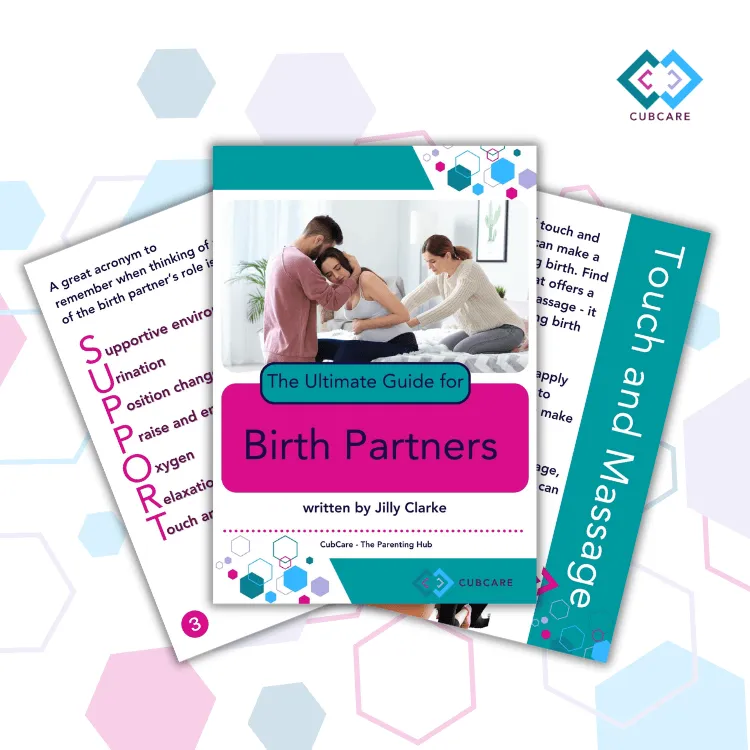
Birth Partner Guide
Your ultimate guide to being the best birth partner during pregnancy, birth and recovery. Learn what you need to do, and what you need to learn to be the best birth partner possible.
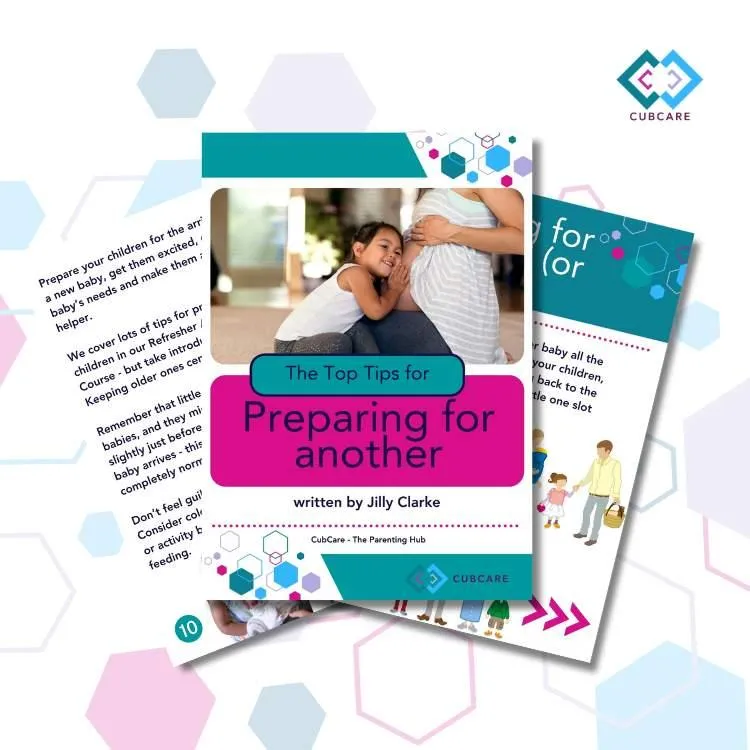
Expecting Again Guide
Your ultimate guide to preparing for another birth and an extra baby. Our top tips for navigating pregnancy and birth, and helping your older ones to transition into their new role as a big sibling.


Based in Welwyn Hatfield, offering local pregnancy support and doula services across Hertfordshire: St Albans, Hatfield, Welwyn Garden City, Potters Bar, Stevenage, Harpenden, Hitchin, Barnet, Mill Hill and surrounding areas.
Online antenatal and postnatal education available UK-wide.
© Copyright 2026 CubCare The Parenting Hub. CubCare is operated by The Birth and Baby Company Ltd. Company No. 15655287
Privacy Policy | Terms & Conditions | Medical Disclaimer | Inclusivity and Accessibility