
We're an award winning Antenatal and Postnatal Education Platform 2025!
(read more here)
CubCare blogs.
From early pregnancy to newborn development.
Advice to help through pregnancy, birth and childhood.
BLOG

Lightheaded in early pregnancy: why dizziness happens at 5–9 weeks
"Light headedness in early pregnancy can feel surprisingly dramatic. One moment you’re standing in the kitchen or walking up the stairs, the next you feel slightly floaty, a bit off balance, like your body needs you to sit down immediately. It’s unsettling when you weren’t expecting it." - Jilly Clarke, First Trimester Antenatal Specialist, Antenatal Educator and Doula
Feeling lightheaded during the first trimester catches many people off guard.
You might stand up and feel the room shift slightly.
You might feel suddenly unsteady while standing in a queue or cooking dinner.
You might just feel faint enough that sitting down quickly seems like the safest option.
For many people, this starts somewhere between five and nine weeks of pregnancy.
Feeling dizzy or lightheaded in early pregnancy is very common. Hormonal changes widen blood vessels, lower blood pressure and shift circulation patterns as your body adapts to supporting the pregnancy. These changes can briefly reduce blood flow to the brain, which is why standing quickly, going too long without eating, or getting overheated can suddenly make you feel faint.
Understanding what is happening physiologically helps you recognise when dizziness is part of normal pregnancy adaptation — and when it’s worth getting checked.
Why you feel lightheaded or dizzy at 5–9 weeks pregnant
Early pregnancy asks your cardiovascular system to adjust quickly.
Within the first trimester, the body begins increasing blood volume, relaxing blood vessels and redirecting circulation toward the uterus and developing placenta. These changes support the pregnancy, but they can also create temporary dips in blood pressure and small changes in blood flow to the brain.
Several physiological factors combine to produce that lightheaded feeling.
Is light headedness normal in early pregnancy?
Light headedness and dizziness are common in the first trimester, particularly between five and nine weeks of pregnancy. Hormonal changes relax blood vessels, which lowers blood pressure and alters circulation as the body adapts to pregnancy. These shifts can briefly reduce blood flow to the brain, causing a lightheaded or faint feeling when standing, overheating or going too long without eating.
When one symptom turns into ten unanswered questions
This is what early pregnancy does.
One moment you’re trying to understand why you feel lightheaded. The next it’s fatigue, nausea, cramps, or something new entirely.
And each time, you’re starting from scratch — trying to work out if it’s normal, if it matters, and what to do about it.
What you’ve just read here? This level of detail — the physiology, the patterns, the why behind the symptom — is exactly how the First Trimester Course teaches all of it.
Not as isolated blog posts. But as a structured understanding of weeks 4–12.
So instead of reacting to each new symptom, you understand what your body is doing — and what’s coming next.
It changes how this stage feels. And it sets the tone for everything that follows.
→ View the First Trimester Course
If you’re not ready for that yet, I’ll send you clear, joined-up early pregnancy guidance so you’re not piecing this together alone → First Trimester Hub

Blood pressure often drops in early pregnancy
Progesterone, one of the dominant hormones in pregnancy, relaxes the smooth muscle in blood vessels. This causes blood vessels to widen slightly, which lowers blood pressure.
When blood pressure drops, it can briefly reduce blood flow to the brain, particularly when you stand up quickly or remain standing for long periods.
Research tracking blood pressure patterns across pregnancy shows that blood pressure commonly falls during the first trimester before gradually rising again later in pregnancy.
This early drop in blood pressure is one of the most common reasons people feel lightheaded around six to eight weeks.

Your circulation is rapidly adapting in the first trimester
During pregnancy, the body eventually increases blood volume by around 40–50% in order to support the placenta and growing baby.
That process begins early in the first trimester, but the cardiovascular system needs time to adapt to the expanding circulation.
While those adjustments are happening, blood distribution can fluctuate slightly, especially when moving quickly from sitting to standing.
That is why light headedness often appears:
• when standing up quickly
• after standing still for a while
• in warm environments
• when you are tired or dehydrated
The same circulation and blood pressure changes that can cause light headedness in early pregnancy can also contribute to headaches, particularly in the first trimester.
→ Headaches in early pregnancy: why they happen at 5–9 weeks
Blood sugar levels fluctuate more easily
Another common contributor to dizziness in early pregnancy is blood sugar variation.
During the first trimester, metabolism shifts rapidly. If you go too long without eating, blood sugar levels can dip more easily than usual, which may lead to:
• shakiness
• dizziness
• nausea
• sudden fatigue
Eating small amounts regularly often improves these symptoms significantly.
Light headedness often appears alongside nausea or a sudden drop in energy when blood sugar dips.
→ Morning sickness explained — why nausea happens in pregnancy and what actually helps
Digestive changes can also contribute to dizziness in the early weeks.
→ Early pregnancy bloating — why it starts so early and what’s happening in your body
This isn’t just one symptom to figure out
Light headedness is rarely the only thing happening in early pregnancy.
It sits alongside fatigue. Blood sugar dips. Circulation changes. Moments where your body suddenly feels unfamiliar.
And most people are left trying to piece those together themselves.
The First Trimester Course walks you through how these systems connect — week by week — so you’re not left second-guessing every shift in how you feel.
So when something changes, you already understand the context.
→ View the First Trimester Course

Iron levels and ferritin can play a role in light headedness in early pregnancy
Another factor that can contribute to persistent light headedness is iron status, particularly if iron stores were already low before pregnancy began.
Iron is needed to produce haemoglobin, the protein in red blood cells that carries oxygen around the body. During pregnancy, blood volume expands and the body needs more iron to keep up with the increase in circulation.
If iron stores are already low, people often notice symptoms such as:
• lightheaded
• breathless more easily
• unusually fatigued
• brain fog
What many people are not told is that iron stores are measured through ferritin, which reflects the body’s stored reserve of iron.
Ferritin can fall before haemoglobin drops low enough to meet the clinical definition of anaemia. That means someone can technically have “normal” blood results while still experiencing symptoms related to low iron reserves.
UK clinical guidelines recognise that iron deficiency — even before anaemia develops — is common during pregnancy and can contribute to fatigue and dizziness.
Iron is the most common nutritional factor linked to light headedness in pregnancy. However, other nutrient levels can also influence how stable you feel. Low vitamin B12, folate, or vitamin D, for example, can affect energy metabolism, nerve function and circulation, which may contribute to fatigue or dizziness for some people.
If light headedness is persistent, it can be worth discussing iron and ferritin levels — and overall nutritional status — with your GP or midwife.
If you’re feeling lightheaded, you might also notice your breathing feels different at the same time — these often overlap in early pregnancy.
→ Feeling out of breath at 5–8 weeks pregnant — should I be worried?
The nervous system is adapting in early pregnancy as well
Hormonal changes in early pregnancy also influence the autonomic nervous system, the system that regulates heart rate, blood pressure and circulation.
As the body adjusts to the new hormonal environment, this system recalibrates how it controls blood vessel tone and circulation. Blood vessels relax, circulation patterns shift and blood pressure often dips slightly during the first trimester.
During that adjustment period, some people experience brief episodes of light headedness or a slightly “floaty” sensation. That does not mean something is wrong. It usually means the body is still adapting to the early stages of pregnancy.
For some people, however, the sensation can feel stronger or happen more frequently. This can occur when the autonomic nervous system already finds circulation changes more challenging.
Conditions such as Postural Orthostatic Tachycardia Syndrome (POTS) or forms of hypermobility spectrum disorder can influence how the body manages blood flow when moving from sitting to standing. Because pregnancy hormones widen blood vessels and lower blood pressure, these changes can amplify existing circulation patterns.
This may lead to symptoms such as:
• feeling faint when standing still
• heart rate increasing quickly when upright
• dizziness that improves when sitting or lying down
• needing more hydration, salt or movement to feel stable
Some people first recognise these patterns during early pregnancy, even if they have never previously been assessed for differences in autonomic regulation.
Understanding how circulation and the nervous system adapt during the first trimester can make these symptoms far less alarming.
→ What your body is really doing in the first 12 weeks of pregnancy
Fatigue and light headedness often appear together in early pregnancy as the body redirects energy and circulation toward the developing placenta.
→ Extreme fatigue in early pregnancy — why it happens
Hormones can also affect the balance system in the inner ear
Pregnancy hormones do not only influence circulation and blood pressure. They can also affect the systems responsible for balance.
The inner ear contains the vestibular system, which works together with the eyes, joints and nervous system to help the body stay upright and maintain spatial orientation.
Research exploring dizziness and vertigo during pregnancy suggests that hormonal changes — particularly rising oestrogen and progesterone — can influence the inner ear and the fluid balance within it. These changes may alter how the vestibular system processes movement and balance signals.
Because of this, some people experience sensations such as:
• feeling briefly unsteady
• the room shifting slightly
• a floating or swaying sensation
These experiences can occur alongside the more common causes of dizziness in early pregnancy, such as lower blood pressure or blood sugar changes.
For most people, these sensations improve as the body adapts to the hormonal environment of pregnancy.
What light headedness in early pregnancy actually feels like
People describe early pregnancy dizziness in several ways.
It may feel like:
• a sudden wave of light headedness when standing
• the room tilting slightly
• needing to sit down quickly
• feeling faint while standing in one place
• a brief “floaty” sensation
These episodes usually pass within a few minutes once you sit down, drink something, or eat.
If you’re noticing other symptoms fluctuating alongside this, it may help to understand why that happens:
→ Pregnancy symptoms disappeared overnight at 6–8 weeks — should I worry?
When dizziness in early pregnancy is usually normal
Light headedness is generally considered a normal early pregnancy symptom when:
• it passes after sitting or resting
• it improves after eating or drinking
• it happens occasionally rather than constantly
• it is not accompanied by severe pain or bleeding
For many people, these episodes become less frequent as the body adjusts to pregnancy and circulation stabilises.
Many early pregnancy symptoms naturally fluctuate from day to day. If you're noticing symptoms appearing, easing and then returning again, this guide explains why that happens.
→ Pregnancy symptoms coming and going in early pregnancy
When light headedness should be checked
Although dizziness is common, certain symptoms should always be reviewed by a healthcare professional.
Contact your GP, midwife or Early Pregnancy Unit if dizziness occurs with:
• heavy bleeding
• persistent abdominal pain
• severe one-sided pelvic pain
• fainting
• chest pain or shortness of breath
• shoulder-tip pain
Clinical guidance emphasises that symptoms such as pain, bleeding and fainting together should always be assessed medically.
NICE guideline — ectopic pregnancy and miscarriage
If something feels unusual or concerning, it is always appropriate to seek reassurance.
Practical ways to reduce dizziness in early pregnancy
Because early pregnancy dizziness is usually related to circulation and blood sugar, small adjustments can make a real difference.
Many people find these approaches helpful:
Standing up slowly, particularly when moving from lying or sitting to standing.
Eating small, regular meals to stabilise blood sugar.
Drinking fluids consistently throughout the day, as dehydration worsens dizziness.
Avoiding long periods of standing still. Gentle movement or shifting weight can help circulation.
Taking short walks, changing position regularly or doing gentle mobility movements can encourage circulation and reduce light headedness.
Movement does not increase miscarriage risk in uncomplicated pregnancies, and maintaining gentle activity is widely recommended during pregnancy.
Understanding early pregnancy symptoms reduces anxiety
The first trimester can feel unpredictable because symptoms often appear and disappear without warning.
One day you feel nauseous and exhausted. The next day you feel almost normal again.
Hormones rise in waves, circulation changes rapidly and the nervous system gradually adapts to the new demands of pregnancy.
Understanding what your body is doing during these weeks helps reduce the instinct to interpret every symptom as a warning sign.
Many early pregnancy symptoms fluctuate. Breast tenderness, nausea and fatigue can all appear suddenly and then settle again for a while.
→ My breasts stopped hurting at 6–8 weeks pregnant — should I worry?
If you want a clearer picture of how the body changes across the first trimester, this guide explains what is happening week by week:
→ What happens in the first 12 weeks of pregnancy? Week-by-week body changes explained
You can also explore the full overview of early pregnancy symptoms here:
→ First Trimester: what’s normal, what’s checked, and what actually matters
Frequently asked questions about dizziness in early pregnancy
Is it normal to feel lightheaded at 6 weeks pregnant?
Yes. Light headedness around six weeks is common because blood pressure often drops in early pregnancy as blood vessels relax under the influence of progesterone.
Why do I feel dizzy when I stand up?
Standing quickly can briefly reduce blood flow to the brain while the cardiovascular system adjusts to pregnancy-related changes.
Does dizziness mean something is wrong with the pregnancy?
Usually not. Occasional light headedness is common in early pregnancy.
When should dizziness be checked?
You should seek medical advice if dizziness occurs with heavy bleeding, severe abdominal pain, fainting or persistent one-sided pelvic pain.
You can keep reacting to symptoms — or understand what’s driving them
You can keep managing this one moment at a time.
Feeling lightheaded.
Sitting down.
Googling.
Getting a partial answer.
Waiting for the next thing to happen.
Or you can understand the bigger picture — how circulation, hormones, blood pressure and energy all shift together in early pregnancy.
The First Trimester Course takes you through weeks 4–12 properly.
Not just what symptoms happen — but why they happen, how they connect, and what to do with them.
So you’re not constantly interpreting your body in real time.
You’re ahead of it.
And that understanding carries forward — into appointments, decisions, and the rest of your pregnancy.
→ Explore the CubCare First Trimester Course
If you’re not ready for that yet, I’ll send you clear early pregnancy guidance so you’re not relying on guesswork → First Trimester Hub

Easily navigate to our most popular Blog categories
Download our Freebies
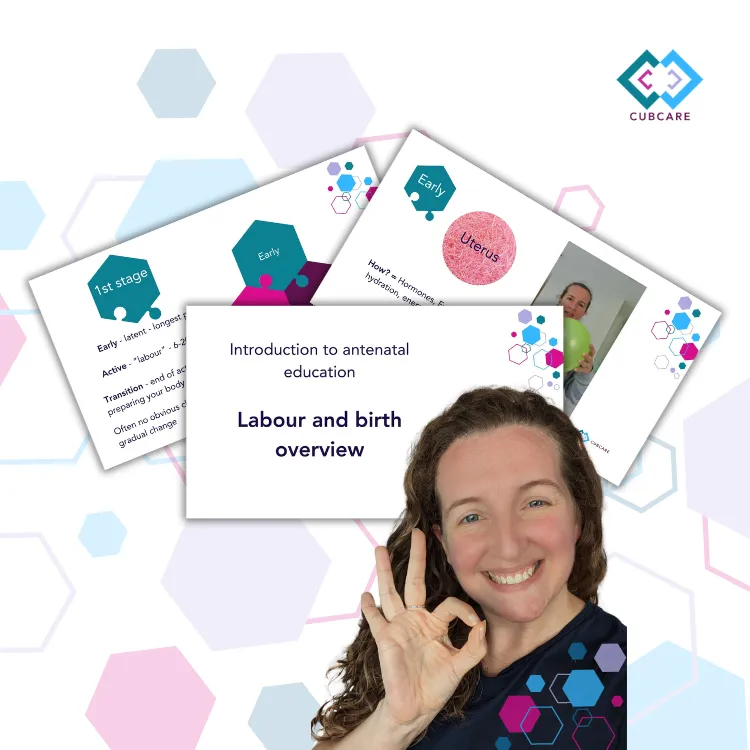
Labour and Birth
Watch our introduction to antenatal education webinar, our labour and birth overview - to start your antenatal education journey. Understanding the process, and what you can do to influence it.

Pregnancy Planner
Free Pregnancy Planner to help you prepare for a little one. Prepare your body, your mind, your finances and your home. Get organised, feel good and prepare for an active, positive birth.
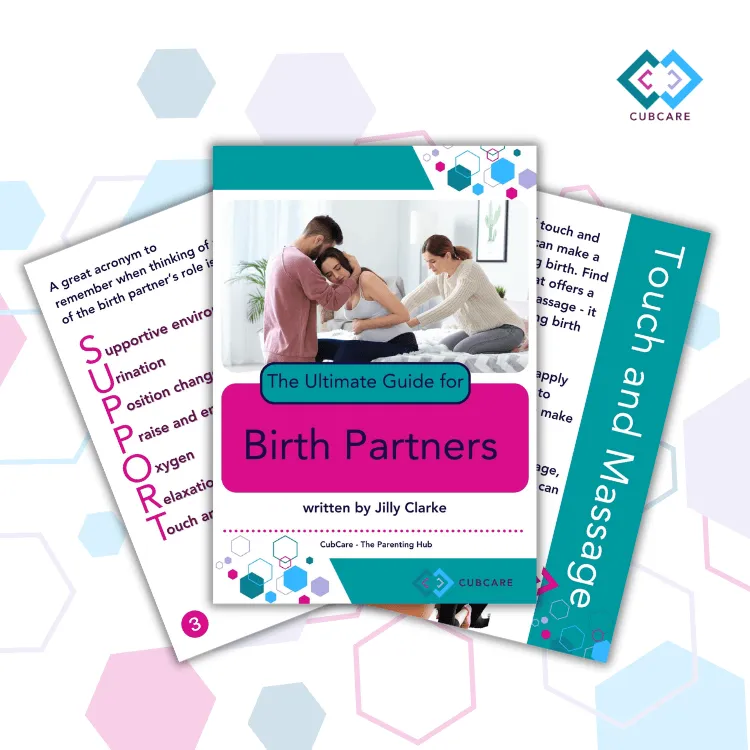
Birth Partner Guide
Your ultimate guide to being the best birth partner during pregnancy, birth and recovery. Learn what you need to do, and what you need to learn to be the best birth partner possible.
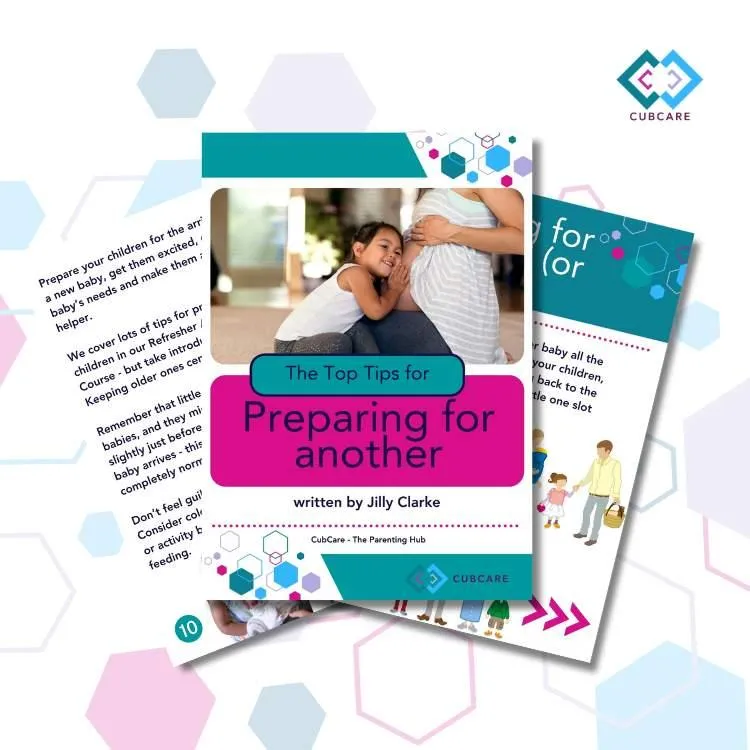
Expecting Again Guide
Your ultimate guide to preparing for another birth and an extra baby. Our top tips for navigating pregnancy and birth, and helping your older ones to transition into their new role as a big sibling.


Based in Welwyn Hatfield, offering local pregnancy support and doula services across Hertfordshire: St Albans, Hatfield, Welwyn Garden City, Potters Bar, Stevenage, Harpenden, Hitchin, Barnet, Mill Hill and surrounding areas.
Online antenatal and postnatal education available UK-wide.
© Copyright 2026 CubCare The Parenting Hub. CubCare is operated by The Birth and Baby Company Ltd. Company No. 15655287
Privacy Policy | Terms & Conditions | Medical Disclaimer | Inclusivity and Accessibility