
We're an award winning Antenatal and Postnatal Education Platform 2025!
(read more here)
CubCare blogs.
From early pregnancy to newborn development.
Advice to help through pregnancy, birth and childhood.
BLOG

Headaches in early pregnancy (5–9 weeks): causes & when to worry
"You don’t need to guess your way through symptoms like headaches in early pregnancy. When you understand what your body is doing, the panic settles quickly." - Jilly Clarke, First Trimester Antenatal Specialist, Antenatal Educator and Doula
Headaches are very common in early pregnancy — especially between 5 and 9 weeks — and in most cases, they’re a normal response to rapid changes in your body rather than a sign that something is wrong.
They’re usually linked to:
hormonal shifts
changes in blood pressure and circulation
dehydration or low blood sugar
fatigue and sensory overload
They can feel like a dull pressure, a tight band across your forehead, or a heavy ache behind your eyes. And because they often show up alongside nausea, exhaustion, and that constant low-level “something feels off” feeling, they can quickly become another thing you start questioning.
The important question isn’t just “is this normal?”
It’s “what’s actually driving this — and does anything need checking?”
Are headaches normal in early pregnancy (5–9 weeks)?
Yes — headaches are very common in early pregnancy.
They’re usually caused by normal physiological changes, including hormone shifts, changes in blood pressure, and fluctuations in hydration or blood sugar.
Most headaches at this stage are:
mild to moderate
short-lived or fluctuating
eased by food, fluids, rest, or fresh air
You should speak to your midwife or GP if headaches are:
severe or persistent
not improving with rest or hydration
paired with visual changes or unusual dizziness
Why headaches are common between 5 and 9 weeks of pregnancy
The first trimester is a period of intense physiological change.
By the time you reach five or six weeks pregnant, several major systems in your body are already adjusting to support the developing placenta and embryo.
Hormone levels are rising quickly.
Blood vessels are relaxing.
Circulation is expanding.
Metabolism is shifting.
Those adjustments are necessary — but they can create side effects, including headaches.
Many people notice headaches during the same weeks they experience fatigue, dizziness or nausea.
If those symptoms are happening together, it usually reflects normal early pregnancy physiology rather than something dangerous.
Hormone changes in early pregnancy can trigger headaches
Hormones change quickly during early pregnancy.
Both oestrogen and progesterone rise significantly in the first trimester. These hormones influence blood vessels, fluid balance and nervous system sensitivity, all of which can contribute to headaches.
Some people notice a pressure-type headache that feels similar to tension headaches they may have experienced before pregnancy. Others describe a dull, persistent ache behind the eyes or across the temples.
The timing often overlaps with other hormonal symptoms such as nausea or fatigue.
If you’ve also noticed your energy levels dropping dramatically, this post explains why that happens:
→ Why am I so tired at 5–8 weeks pregnant? First trimester fatigue explained

If you’re already trying to piece together symptoms like this from different places, the First Trimester Course gives you a clear structure for what’s happening week by week — so you’re not second-guessing every new symptom.
When you understand what your body is doing, you can understand pregnancy properly.
→ View the First Trimester Course
Circulation and blood pressure changes can cause headaches
Your cardiovascular system starts adapting very early in pregnancy.
Blood vessels relax and widen so that circulation can expand to support the placenta. As a result, blood pressure often drops slightly during early pregnancy, particularly during the first trimester.
For some people, that change can trigger:
• headaches
• lightheadedness
• dizziness
• difficulty concentrating
Research into cardiovascular adaptation during pregnancy has shown that blood pressure commonly falls during early pregnancy as circulation adjusts to support the developing placenta.
If headaches are happening alongside dizziness or feeling faint, you may find this helpful:
→ Lightheaded in early pregnancy: why dizziness happens at 5–9 weeks

Blood sugar fluctuations can also contribute to early pregnancy headaches
Early pregnancy often changes how your body manages blood sugar, and headaches can be a tricky by-product.
Many people notice they become more sensitive to long gaps between meals. You might feel fine one moment and then suddenly notice:
• a headache developing
• shaky or weak sensations
• sudden exhaustion
Sometimes the first clue is simply that your brain stops cooperating. You read the same line of an email three times and realise none of it has gone in.
That moment where you think, why do I suddenly feel this strange?
Often it’s blood sugar.
The confusing part is that the hunger signal doesn’t always appear first.
Nausea can also make eating unpredictable, which makes those dips more likely.
A small snack — a banana, toast, crackers, yoghurt, anything simple — can often improve the symptoms surprisingly quickly. That sudden improvement is a good sign that blood sugar fluctuations were part of the picture.
It’s one of the reasons people often find the first trimester easier when they eat little and often, even if appetite is unreliable.
If you want a clearer overview of what typically happens in weeks 4–12 — and how all of these symptoms fit together then you'll want to check out my First Trimester Hub: What’s Normal, What’s Checked, and What Actually Matters
Dehydration can make pregnancy headaches worse
Hydration plays a surprisingly large role in first-trimester headaches.
Your blood volume is already starting to expand in early pregnancy, and that process requires fluid. When intake drops — even slightly — headaches and dizziness can appear quickly.
The problem is that early pregnancy often makes drinking harder.
Water may suddenly taste strange. Cold drinks can feel unappealing. Nausea can make large drinks feel overwhelming.
Many people find they manage fluids more easily when they change how they drink rather than simply trying to drink more.
Small, frequent sips often work better than large glasses.
Some people find diluted squash much easier to tolerate than plain water. Others prefer sparkling water, citrus slices, or electrolyte drinks that replace fluid and minerals together.
Electrolytes can be particularly helpful if nausea or vomiting has reduced your intake, because they support fluid balance rather than simply adding more water to a system that is already struggling to regulate itself.
If you’re struggling with sickness and nausea in the first trimester, then have a look at this post:

Why some pregnancy headaches feel like pressure around the face or eyes
Not all early pregnancy headaches feel the same.
Some people notice a tight, band-like headache across the forehead. Others feel a deeper pressure behind the eyes or across the bridge of the nose.
That pattern is often linked to sinus congestion, which is another common but under-explained first-trimester change.
During pregnancy, increased blood flow and hormonal shifts can cause the tiny blood vessels lining the nose and sinuses to swell slightly. This can create a feeling of blocked sinuses or facial pressure even if you don’t have a cold.
The result can be a headache that feels:
• heavy across the forehead
• tight around the eyes
• worse when you bend forward
• worse in warm rooms or when tired
For many people this is simply another effect of the body increasing circulation in early pregnancy.
Gentle sinus massages, manually easing the pressure around the face, gentle hydration, fresh air, and short breaks from screens can often ease this type of headache more than medication alone.
When headaches are usually normal in early pregnancy
Most headaches in early pregnancy are uncomfortable but not dangerous.
They usually develop gradually, fluctuate through the day, and respond to basic support like food, hydration, rest, or reducing stimulation.
You might notice a pressure-type headache building slowly across the afternoon after a long morning without food. Or a dull ache behind your eyes on a day when you’ve slept badly, been staring at screens, or struggled to drink enough.
Many people also notice headaches appearing on days when several things overlap — a busy schedule, a long gap between meals, poor sleep, and the general physical load of early pregnancy.
The pattern is often inconsistent rather than progressive.
Some days you feel completely fine.
Other days a headache appears and then fades again once you eat, rest, hydrate, or step away from stimulation.
For many people headaches are most noticeable between weeks five and nine, when hormone levels are rising quickly and the body is still adjusting to the early stages of pregnancy. As the first trimester progresses and systems begin to stabilise, those headaches often settle too.
If you’ve noticed other symptoms changing suddenly, this article explains why that happens:
→ Pregnancy symptoms disappeared overnight at 6–8 weeks — should I worry?
Understanding how circulation and the nervous system adapt during the first trimester can make these symptoms far less alarming.
→ What your body is really doing in the first 12 weeks of pregnancy
When headaches should be checked in early pregnancy
Although headaches are usually benign, there are situations where medical review is important.
Contact your GP, midwife or maternity unit if headaches are:
• severe or sudden
• persistent and worsening
• accompanied by fever
• associated with visual disturbance
• combined with significant dizziness or fainting
• accompanied by severe abdominal pain
These combinations are uncommon but require assessment.
When symptoms change suddenly or feel different from typical pregnancy headaches, it is always reasonable to ask for medical advice.
Why headaches can feel especially worrying in early pregnancy
Early pregnancy is a strange stage.
Your body is already changing dramatically, but there is often very little external confirmation that everything is progressing normally.
Many people have not yet had their first scan.
Symptoms appear and disappear unpredictably.
Small sensations suddenly feel significant.
A headache that might once have been dismissed as dehydration can suddenly feel much more concerning when you’re pregnant.
That reaction is understandable.
Understanding the physiology behind these symptoms often helps reduce the sense that something mysterious or dangerous is happening.
What helps with headaches in early pregnancy
If headaches are mild and not accompanied by red-flag symptoms, small adjustments can often help.
Many people find relief from:
• regular small meals to stabilise blood sugar
• consistent hydration through the day
• brief breaks from screens and bright light
• gentle movement or walking outdoors
• reducing sensory overload when possible
For some people, breathing techniques and nervous system regulation also reduce headache intensity.
Inside the CubCare First Trimester Course, I teach simple breathing and movement approaches designed specifically for early pregnancy symptoms, including headaches, dizziness and fatigue.
Understanding what your body is doing often reduces the anxiety that makes these symptoms harder to tolerate.
When headaches link with other first trimester symptoms
Headaches rarely appear in isolation during early pregnancy.
They often occur alongside:
• fatigue
• nausea
• dizziness
• fluctuating appetite
If you’re noticing several of those symptoms at once, our First Trimester Hub may help you understand what’s happening:
→ What happens in the first 12 weeks of pregnancy? Week-by-week body changes explained
You can also explore the full overview here:
→ First Trimester: what’s normal, what’s checked, and what actually matters
Support for navigating first trimester symptoms
If you’re stuck in that constant loop of “is this normal… or not?”, the First Trimester Course walks you through what’s actually happening in your body week by week — so you’re not relying on Google to piece it together.
It gives you:
clear explanations of symptoms
what needs checking and what doesn’t
practical ways to handle the first trimester without second-guessing everything
what's important to get in place early, for the rest of pregnancy to feel easier.

Easily navigate to our most popular Blog categories
Download our Freebies
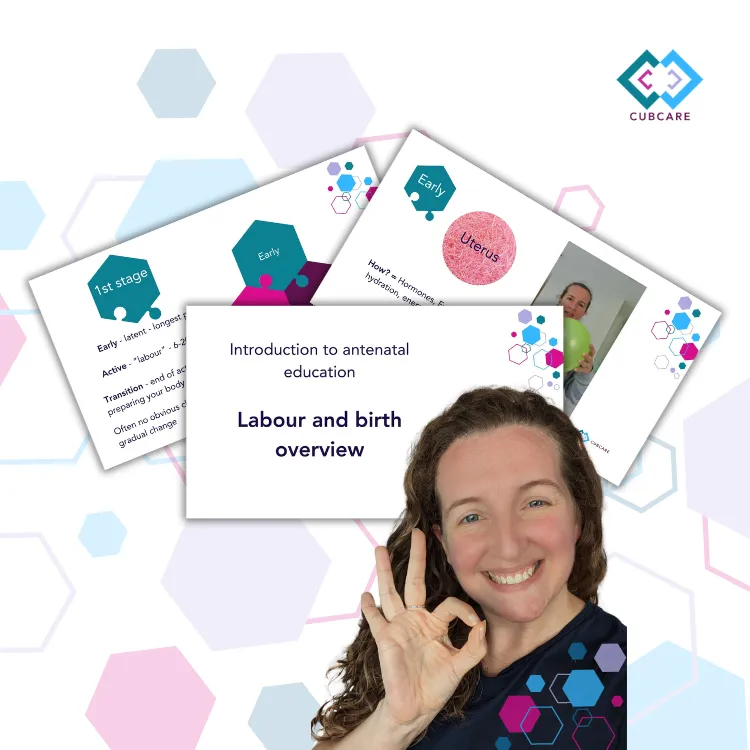
Labour and Birth
Watch our introduction to antenatal education webinar, our labour and birth overview - to start your antenatal education journey. Understanding the process, and what you can do to influence it.

Pregnancy Planner
Free Pregnancy Planner to help you prepare for a little one. Prepare your body, your mind, your finances and your home. Get organised, feel good and prepare for an active, positive birth.
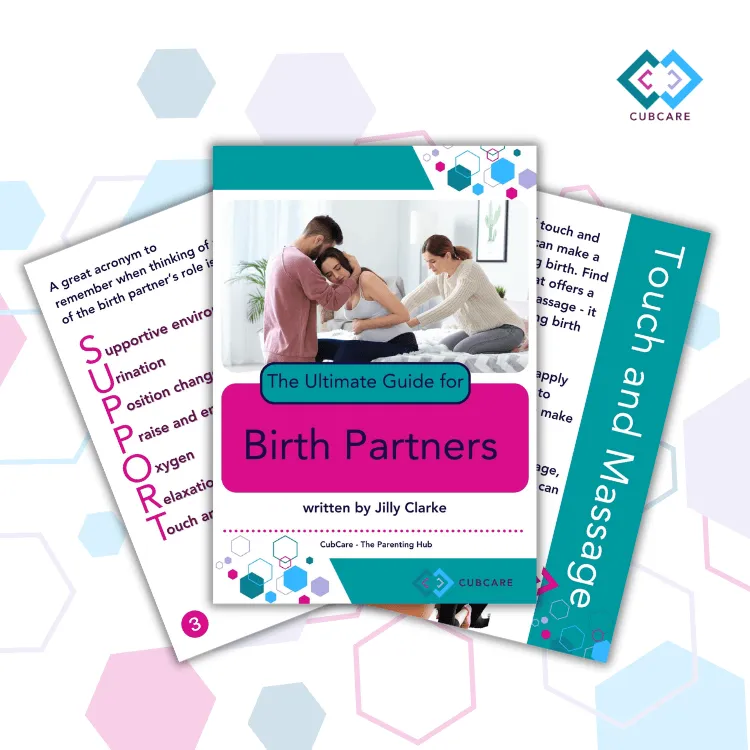
Birth Partner Guide
Your ultimate guide to being the best birth partner during pregnancy, birth and recovery. Learn what you need to do, and what you need to learn to be the best birth partner possible.
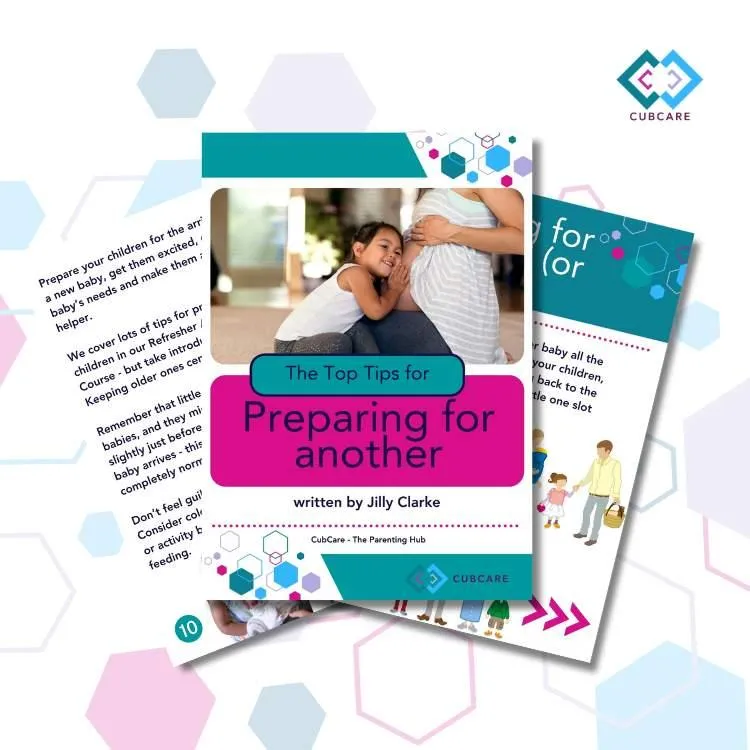
Expecting Again Guide
Your ultimate guide to preparing for another birth and an extra baby. Our top tips for navigating pregnancy and birth, and helping your older ones to transition into their new role as a big sibling.


Based in Welwyn Hatfield, offering local pregnancy support and doula services across Hertfordshire: St Albans, Hatfield, Welwyn Garden City, Potters Bar, Stevenage, Harpenden, Hitchin, Barnet, Mill Hill and surrounding areas.
Online antenatal and postnatal education available UK-wide.
© Copyright 2026 CubCare The Parenting Hub. CubCare is operated by The Birth and Baby Company Ltd. Company No. 15655287
Privacy Policy | Terms & Conditions | Medical Disclaimer | Inclusivity and Accessibility