
We're an award winning Antenatal and Postnatal Education Platform 2025!
(read more here)
CubCare blogs.
From early pregnancy to newborn development.
Advice to help through pregnancy, birth and childhood.
BLOG

Not feeling pregnant at 5–7 weeks: is it normal to have no symptoms?
"One of the most unsettling moments in early pregnancy is realising you don’t actually feel pregnant. Everyone talks about nausea and exhaustion, so when your body feels mostly normal you start wondering whether something has quietly gone wrong." - Jilly Clarke, First Trimester Antenatal Specialist, Antenatal Educator and Doula
If you’re around five, six or seven weeks pregnant and you don’t feel very different yet, it can feel surprisingly unsettling.
You expected nausea.
You expected exhaustion.
You expected your body to feel unmistakably pregnant.
Instead, you wake up feeling mostly the same as you did before the positive test.
That disconnect often sends people straight into worry. You might start checking symptoms repeatedly, searching online for reassurance, or wondering whether the absence of symptoms means something has quietly changed.
In reality, many healthy pregnancies involve very mild or delayed symptoms in the early weeks.
Pregnancy symptoms can disappear or fluctuate between 5 and 7 weeks because hormone levels rise unevenly in early pregnancy. Nausea, fatigue and bloating often come and go during the first trimester as the body adapts. A sudden absence of symptoms alone does not usually indicate miscarriage, but heavy bleeding or severe pain should always be checked.
Understanding why symptoms vary can make this stage of pregnancy far less frightening.
Why some people feel pregnant early and others don’t
Early pregnancy symptoms are largely driven by hormones, particularly human chorionic gonadotropin (hCG) and progesterone.
After implantation, hCG begins rising quickly. Progesterone increases alongside it to stabilise the uterine lining and support the developing pregnancy.
These hormones influence multiple systems at once:
• digestion
• blood circulation
• blood pressure
• breast tissue
• the nervous system
However, the way each body responds to these hormonal changes varies enormously.
Some people experience intense nausea or fatigue very early, sometimes even before six weeks. Others adapt more gradually, meaning symptoms appear later or remain mild throughout the first trimester.
Large observational research has shown that symptom patterns differ widely across pregnancies. A study published in 2016 examining nausea and vomiting in pregnancy found significant variation in symptom patterns between individuals and across pregnancies.
The key takeaway is that symptom intensity varies naturally, even in completely healthy pregnancies.
This is where early pregnancy either starts to make sense — or becomes something you keep questioning
When symptoms are the only thing you’ve got to go on, the absence of them feels just as loud as having them.
You feel normal — and suddenly that feels like a problem.
So you check. You search. You try to work out whether not feeling anything means something has changed.
But symptoms aren’t a reliable way to read early pregnancy.
The First Trimester Course gives you a clear structure for weeks 4–12 — so you’re not relying on symptoms to tell you what’s happening, and you’re not carrying that uncertainty into the rest of your pregnancy.
→ View the First Trimester Course

Why symptoms can be mild at 5–7 weeks of pregnancy
The timing of early pregnancy symptoms often surprises people.
Between five and seven weeks, several physiological changes are happening quietly inside the body:
• the embryo is still extremely small
• the placenta is only beginning to develop
• hormone levels are rising but have not yet peaked
For many people, symptoms build gradually between weeks six and ten, rather than appearing suddenly.
Clinical reviews show that nausea and vomiting affect roughly 50–80% of pregnancies, but the onset and severity vary widely between individuals.
Because hormones are still stabilising at this stage, it is very common to have days where you feel clearly pregnant followed by days where you feel almost normal again.
If symptom changes are something you’ve noticed, this article explains why they can fluctuate:
→ Pregnancy symptoms disappeared overnight at 6–8 weeks — should I worry?
One of the most common examples of symptoms fluctuating at this stage is breast tenderness. Some people notice their breasts suddenly stop hurting around six or seven weeks, which can make them worry the pregnancy symptoms have disappeared entirely.
→ My breasts stopped hurting at 6–8 weeks pregnant — should I worry?

What early pregnancy feels like when symptoms are mild
When people say they “don’t feel pregnant,” the changes are often simply subtle rather than absent.
Instead of strong nausea or exhaustion, the body may show quieter shifts such as:
• mild breast sensitivity
• gentle digestive changes
• subtle fatigue later in the day
• brief pelvic sensations
• increased urination
Because these sensations are mild and inconsistent, they can be easy to dismiss.
Digestive changes are particularly common in the early weeks because progesterone slows the movement of the gut.
If bloating is something you’ve noticed, this guide explains why it starts so early:
→ Early pregnancy bloating — why it starts so early and what’s happening in your body
Is it normal to have no symptoms at all at 5–7 weeks pregnant?
Yes.
Some pregnancies involve very few noticeable symptoms in the early weeks.
This can feel surprising because cultural narratives around pregnancy often focus on sickness and exhaustion. In reality, symptom intensity varies widely, and mild or absent symptoms are still compatible with healthy pregnancies.
What matters far more than symptom presence is the appearance of concerning symptoms.
These include:
• heavy bleeding similar to a period
• severe abdominal pain
• persistent one-sided pelvic pain
• fever
• dizziness or fainting with pelvic pain
If pain is something you’re experiencing, this guide explains when it can be normal and when it should be checked:
→ One-sided pain in early pregnancy: when it’s common and when it’s checked
Spotting can also occur without indicating miscarriage. This article explains the different patterns:
→ Brown discharge and spotting in early pregnancy

Why early pregnancy symptoms can suddenly come and go
One of the most confusing aspects of early pregnancy is how unpredictable symptoms can feel.
You might feel clearly pregnant for several days, then wake up feeling almost normal again.
This happens because:
• hCG rises unevenly rather than smoothly
• the nervous system gradually adapts to hormonal changes
• digestion fluctuates under progesterone influence
• fatigue varies with circulation changes
Because of these fluctuations, a symptom disappearing for a day or two does not necessarily mean anything is wrong.
Why not feeling pregnant can feel worrying
Even when everything is progressing normally, the absence of symptoms can create a surprising amount of anxiety.
Most people expect pregnancy to come with unmistakable physical signals. When those signals are absent, it can feel as though the pregnancy lacks confirmation.
This is particularly common before the first scan.
Without visible changes or medical reassurance, the mind often turns to symptoms as evidence that the pregnancy is still there.
That uncertainty is one of the reasons the earliest weeks of pregnancy can feel emotionally intense.
This is where most people start trying to read their pregnancy through symptoms — looking for reassurance in what they can feel, and panic in what they can’t.
But early pregnancy doesn’t give consistent signals like that.
The First Trimester Course shows you what’s actually happening underneath all of this — so you’re not left trying to interpret every shift, or lack of one.
And that matters, because how you understand these early weeks shapes how steady you feel in everything that follows.
→ View the First Trimester Course
When to contact your GP, midwife or Early Pregnancy Unit
If you simply feel well and have no concerning symptoms, that alone is not a reason for concern.
However, you should seek medical advice if you experience:
• heavy bleeding
• severe abdominal pain
• persistent one-sided pelvic pain
• shoulder-tip pain
• dizziness or fainting with pelvic pain
• fever
Clinical guidance emphasises that miscarriage or ectopic pregnancy is diagnosed through ultrasound and clinical assessment, not symptom interpretation alone.
NICE guideline: https://www.nice.org.uk/guidance/ng126
If something feels wrong, you are always allowed to seek reassurance.
Understanding early pregnancy symptoms reduces anxiety
The first trimester often leaves people trying to interpret every sensation without context.
One day you feel nauseous and exhausted. The next day you feel normal again. Then the absence of symptoms becomes something to analyse.
Early pregnancy is physiologically uneven. Hormones rise in waves, the nervous system adapts gradually, and the body learns how to respond to those changes.
Understanding that process makes the experience far less frightening.
If you want a clearer picture of what your body is doing across these weeks, this guide explains the physical changes happening throughout the first trimester:
→ What happens in the first 12 weeks of pregnancy? Week-by-week body changes explained
You can also sign up to expert guidance straight into your inbox here:
→ First Trimester: what’s normal, what’s checked, and what actually matters
Frequently asked questions about not feeling pregnant
Is it normal not to feel pregnant at 5 weeks?
Yes. Many people experience very mild or no symptoms at five weeks because hormone levels are still rising and the placenta has not yet taken over hormone production.
Can pregnancy symptoms disappear and come back?
Yes. Symptoms often fluctuate during the first trimester because hormone levels rise unevenly.
Does having no symptoms mean miscarriage?
No. Pregnancy health is assessed through ultrasound and clinical evaluation rather than symptom patterns alone.
When should I seek medical advice?
You should contact a healthcare professional if you experience heavy bleeding, severe abdominal pain, persistent one-sided pain, shoulder-tip pain, dizziness or fainting with pain, or fever.
Support for navigating early pregnancy symptoms
You can keep using symptoms to try and work out if everything is okay.
Or you can understand what your body is doing — so you’re not relying on what you feel (or don’t feel) to reassure you.
The First Trimester Course takes you through weeks 4–12 properly — what’s normal, what needs checking, and how to respond as things change.
So you’re not just getting through these weeks — you’re setting yourself up to feel more certain, more prepared, and less reactive as your pregnancy continues.

Easily navigate to our most popular Blog categories
Download our Freebies
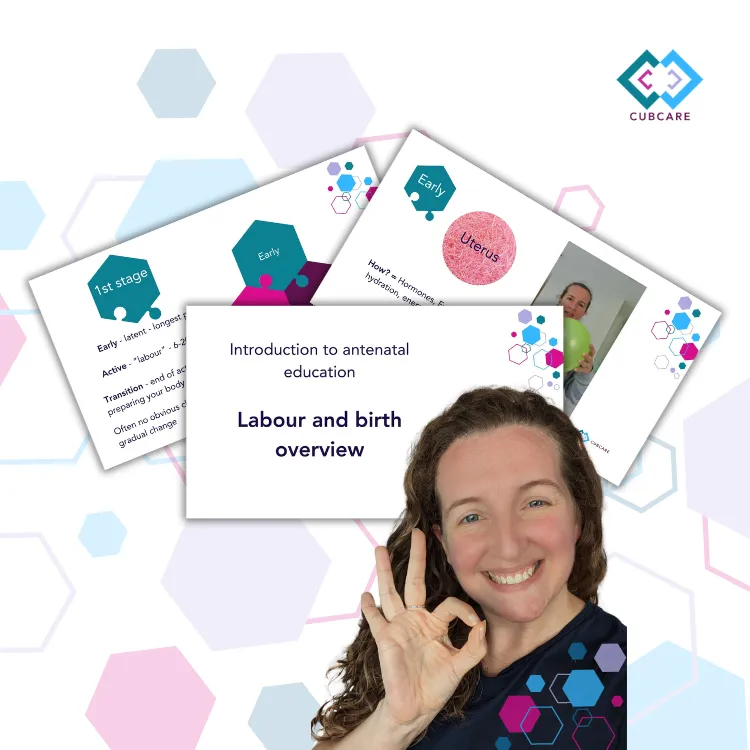
Labour and Birth
Watch our introduction to antenatal education webinar, our labour and birth overview - to start your antenatal education journey. Understanding the process, and what you can do to influence it.

Pregnancy Planner
Free Pregnancy Planner to help you prepare for a little one. Prepare your body, your mind, your finances and your home. Get organised, feel good and prepare for an active, positive birth.

Birth Partner Guide
Your ultimate guide to being the best birth partner during pregnancy, birth and recovery. Learn what you need to do, and what you need to learn to be the best birth partner possible.
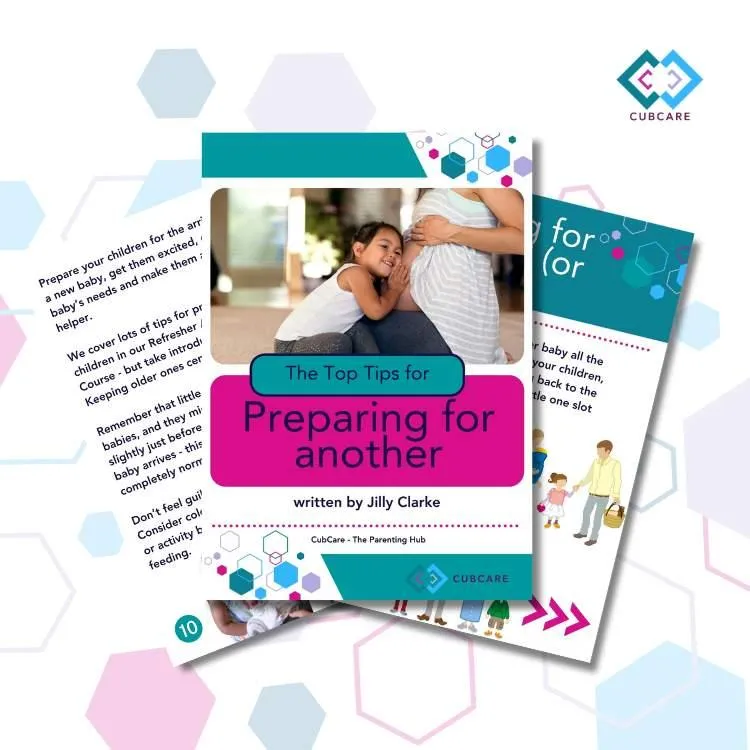
Expecting Again Guide
Your ultimate guide to preparing for another birth and an extra baby. Our top tips for navigating pregnancy and birth, and helping your older ones to transition into their new role as a big sibling.


Based in Welwyn Hatfield, offering local pregnancy support and doula services across Hertfordshire: St Albans, Hatfield, Welwyn Garden City, Potters Bar, Stevenage, Harpenden, Hitchin, Barnet, Mill Hill and surrounding areas.
Online antenatal and postnatal education available UK-wide.
© Copyright 2026 CubCare The Parenting Hub. CubCare is operated by The Birth and Baby Company Ltd. Company No. 15655287
Privacy Policy | Terms & Conditions | Medical Disclaimer | Inclusivity and Accessibility