
We're an award winning Antenatal and Postnatal Education Platform 2025!
(read more here)
CubCare blogs.
From early pregnancy to newborn development.
Advice to help through pregnancy, birth and childhood.
BLOG

Gagging when brushing teeth in early pregnancy (5–9 weeks): is this normal?
"Brushing your teeth is one of the first routines that can suddenly stop working in early pregnancy. You’re doing exactly what you’ve always done, and your body interrupts it halfway through." - Jilly Clarke, First Trimester Antenatal Specialist, Antenatal Educator and Doula
You’re halfway through brushing your teeth and you stop.
You try again, slower this time.
Same point. Same reaction.
It’s often when the brush moves further back, when the taste hits more strongly than expected, or when your stomach doesn’t stay settled alongside it.
You pause. Rinse. Come back to it.
And it’s strange, because it wasn’t happening a few days ago.
Why does brushing your teeth make you gag in early pregnancy? (quick answer)
Gagging when brushing your teeth in early pregnancy is common, particularly between 5 and 9 weeks. Your gag reflex becomes easier to trigger, your body is already closer to nausea, and your tolerance to taste, smell and movement drops — so a normal routine can suddenly feel like too much.
Why brushing your teeth triggers gagging in early pregnancy
Brushing your teeth combines several inputs at once:
• contact at the back of the mouth
• strong taste (often mint)
• smell
• movement near the throat
Pre-pregnancy, your body processes that combination without much response, even if you have a naturally heightened gag reflex. But as your sensitivity increases in early pregnancy, that same combination becomes harder to tolerate.
Your nervous system is more reactive, and your baseline is already closer to nausea. So instead of filtering that input, your body responds to it.
That response is the gag reflex.
Why your gag reflex is more sensitive in early pregnancy
The gag reflex is controlled by your nervous system.
Its role is to protect the airway by reacting quickly to anything that might enter the throat.
In early pregnancy, the way that system responds begins to shift.
Hormones like hCG and progesterone influence the brain centres involved in nausea and vomiting, as well as how sensory input is processed.
The reflex itself is still doing the same job, but it reacts sooner.
It takes less stimulation to trigger it, and it happens more quickly than you expect.
That’s why a movement that used to feel neutral now produces a physical response.

If you’re already trying to piece together symptoms like this from different places, the First Trimester Course gives you a clear structure for what’s happening week by week — so you’re not second-guessing every new symptom.
When you understand what your body is doing, you can understand pregnancy properly.
→ View the First Trimester Course
Why everything triggers nausea more easily in early pregnancy
Even when you don’t feel actively sick, your body is often sitting closer to nausea. Research suggests that 70-80% of people experience sickness a nausea during pregnancy.
That becomes your new starting point.
From there, it takes less to push you into a reaction.
Brushing your teeth isn’t happening in isolation. It’s layered on top of:
• a more sensitive stomach
• slower digestion
• heightened sensory processing
So, when multiple inputs arrive at once, during a busy morning, perhaps after a bad night’s sleep, with a headache; your body doesn’t have the same capacity to absorb them.
It reacts earlier.

Why taste and smell become stronger in early pregnancy
Toothpaste is one of the strongest sensory inputs in your daily routine.
Mint doesn’t just sit on your tongue. You’re tasting it and breathing it in at the same time, and it reaches the back of your mouth and throat as you brush.
In early pregnancy, the way your brain processes those signals changes.
Hormones like hCG and oestrogen influence how taste and smell are registered, and they increase sensitivity in the pathways linked to nausea.
So the same toothpaste, used in the same way, feels more intense. Sharper. More concentrated.
And because your body is already closer to nausea, that added intensity becomes harder to tolerate — particularly when it’s happening at the back of your mouth.
That same sensitivity is also why some people notice a persistent metallic or strange taste in their mouth during early pregnancy — even when they’re not eating.
→ Metallic taste in early pregnancy (why your mouth tastes different)
Why brushing your tongue makes gagging worse in early pregnancy
The gag reflex is most easily triggered at the back of the tongue. What changes is how quickly your body responds when that area is stimulated.
Brushing your tongue combines several inputs at once:
• direct contact at the most sensitive point
• movement towards the throat
• strong taste
• smell
As sensitivity increases in early pregnancy, that combination becomes harder to manage.
You might notice it happens at a very specific point. Not the whole routine — just the moment the brush reaches slightly further back.
If you’re struggling with sickness and nausea in the first trimester, then have a look at this post:
Why flossing can trigger gagging in early pregnancy
Flossing can trigger gagging for a similar reason, even though you’re not going as far back as when brushing your tongue.
When you floss, your tongue naturally shifts position without you thinking about it. It lifts, presses back slightly, or tenses to make space in the mouth.
That movement brings the back of the tongue closer to the area where the gag reflex is most easily triggered.
At the same time, flossing still involves:
• movement inside the mouth
• subtle pressure changes
• saliva and taste shifting
• your head and jaw adjusting position
Individually, none of that would usually cause a reaction.
But in early pregnancy, when your gag reflex is more sensitive and your body is already closer to nausea, that combination becomes harder to tolerate.
You might notice it happens when you reach the back teeth, or when your tongue presses back slightly without you realising.
It’s the same pattern — a small change in positioning, meeting a system that now reacts earlier than it used to.
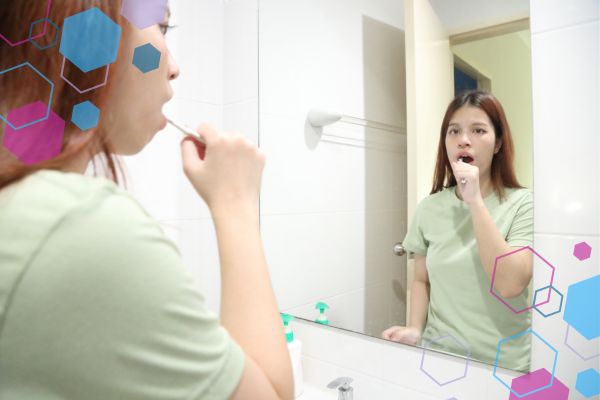
Why gagging suddenly starts in early pregnancy
This is the part that feels most difficult to make sense of.
You brush your teeth one day without thinking. But the next day, you’re adjusting around it.
Nothing about the routine has changed, your body has.
Early pregnancy builds in the background. Hormone levels rise quickly. The nervous system adapts alongside that. Sensory tolerance shifts in small increments.
Your starting point moves slightly closer to nausea. Your tolerance drops a little. Sensory symptoms build one on top of the other and you don’t notice those shifts as they happen.
You notice the moment something crosses the threshold.
That’s when it feels sudden.
You’ll often see the same pattern across other symptoms:
• nausea that comes and goes
• energy that drops unexpectedly - Why am I so tired at 5–8 weeks pregnant? First trimester fatigue explained
• smells that feel completely different from one day to the next
→ Pregnancy symptoms coming and going in early pregnancy (5–9 weeks)
How to reduce gagging when brushing your teeth in early pregnancy
Gagging doesn’t usually improve by pushing through it.
It improves when you reduce how much input your system has to deal with at once.
Change when you brush your teeth
First thing in the morning is often the hardest.
Your blood sugar is lower. Your stomach is more sensitive. Your body is already closer to nausea.
Eating something small first often changes how brushing feels within minutes.
Change the toothpaste
Toothpaste is often the strongest trigger.
Mint can feel sharper and more concentrated than usual.
Switching to a milder flavour or a lower-foaming toothpaste often reduces the intensity enough to avoid triggering the reflex.
Adjust how far back you brush
You don’t need to brush the back of your tongue in the same way right now.
Reducing how much stimulation reaches that area often removes the trigger.
Change your position
Leaning forward changes the angle of your throat.
This reduces how directly the gag reflex is stimulated.
Slow the movement down
When multiple inputs arrive at once, your body reacts.
Slowing the movement spreads that input out, making it easier for your system to tolerate.
Is gagging when brushing your teeth normal in early pregnancy?
Yes.
This is a common early pregnancy symptom, particularly between 5 and 9 weeks.
It often appears alongside:
• nausea
• smell sensitivity
• fatigue
• light headedness
→ Lightheaded in early pregnancy: why dizziness happens at 5–9 weeks
Speak to your GP or midwife if:
• you’re unable to keep food or fluids down
• vomiting becomes frequent or severe
• you feel dehydrated or faint
Why early pregnancy symptoms feel unpredictable
Early pregnancy changes how your body processes sensation.
The same inputs don’t produce the same responses.
Once you start to see that pattern, these moments become easier to understand — even if they don’t feel consistent.
If you want a clear, structured explanation of what’s happening in your body across weeks 4–12 — and how to handle symptoms like this without constantly second-guessing — the First Trimester Course walks you through it step by step.

Easily navigate to our most popular Blog categories
Download our Freebies
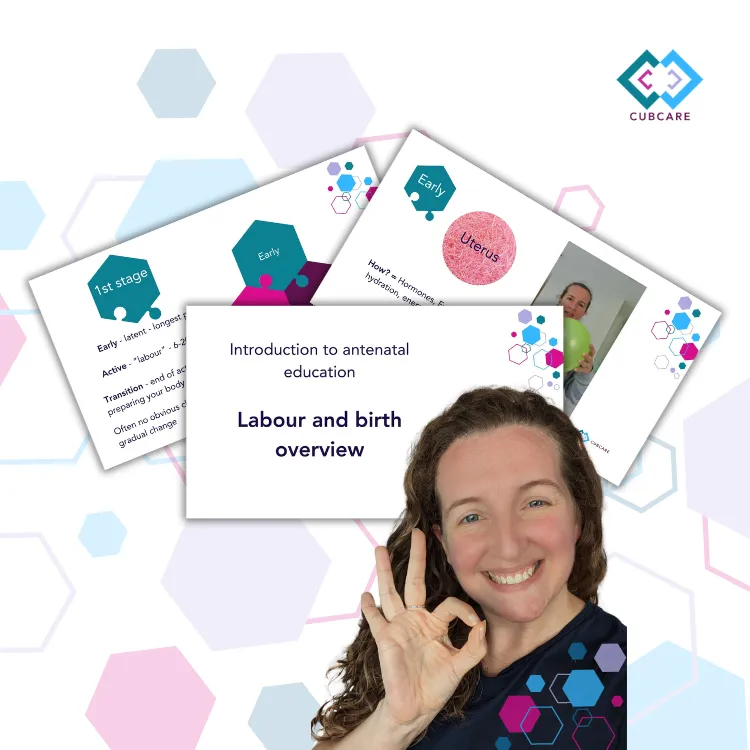
Labour and Birth
Watch our introduction to antenatal education webinar, our labour and birth overview - to start your antenatal education journey. Understanding the process, and what you can do to influence it.

Pregnancy Planner
Free Pregnancy Planner to help you prepare for a little one. Prepare your body, your mind, your finances and your home. Get organised, feel good and prepare for an active, positive birth.
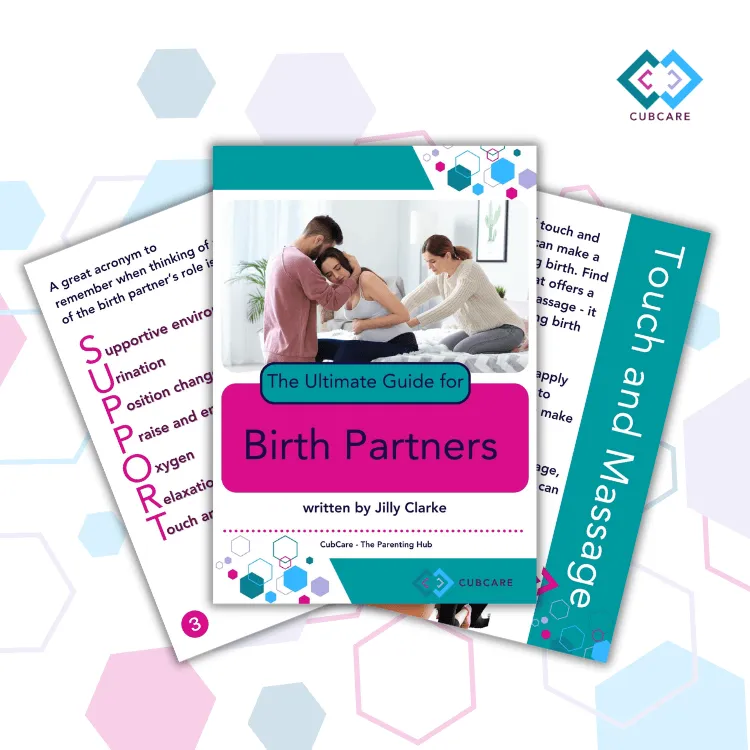
Birth Partner Guide
Your ultimate guide to being the best birth partner during pregnancy, birth and recovery. Learn what you need to do, and what you need to learn to be the best birth partner possible.
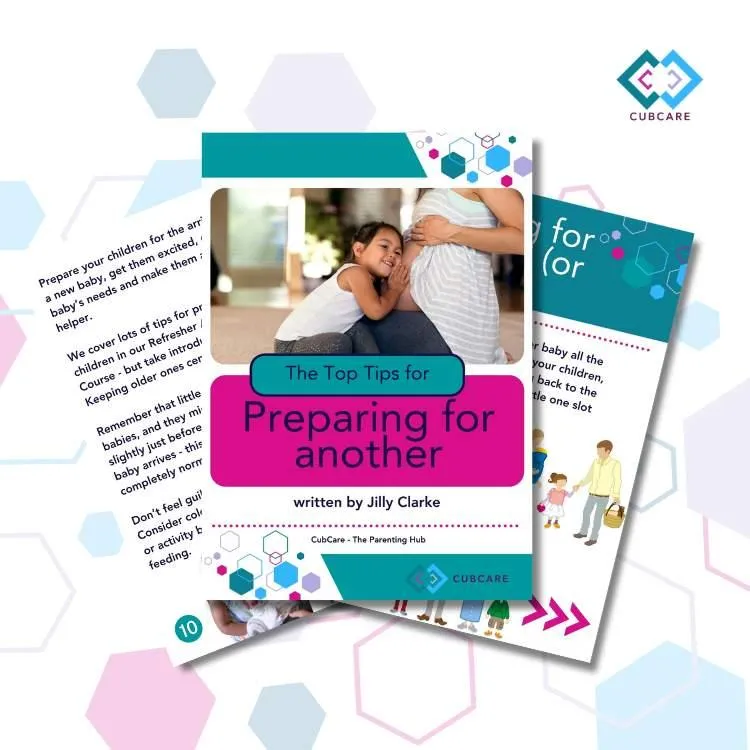
Expecting Again Guide
Your ultimate guide to preparing for another birth and an extra baby. Our top tips for navigating pregnancy and birth, and helping your older ones to transition into their new role as a big sibling.


Based in Welwyn Hatfield, offering local pregnancy support and doula services across Hertfordshire: St Albans, Hatfield, Welwyn Garden City, Potters Bar, Stevenage, Harpenden, Hitchin, Barnet, Mill Hill and surrounding areas.
Online antenatal and postnatal education available UK-wide.
© Copyright 2026 CubCare The Parenting Hub. CubCare is operated by The Birth and Baby Company Ltd. Company No. 15655287
Privacy Policy | Terms & Conditions | Medical Disclaimer | Inclusivity and Accessibility