
We're an award winning Antenatal and Postnatal Education Platform 2025!
(read more here)
CubCare blogs.
From early pregnancy to newborn development.
Advice to help through pregnancy, birth and childhood.
BLOG

Why am I so tired at 5–8 weeks pregnant? First trimester fatigue explained
"First-trimester fatigue can feel brutal. It’s not just being a bit more tired than usual — it’s your body suddenly refusing to keep up with the pace your life expects." - Jilly Clarke, First Trimester Antenatal Specialist, Antenatal Educator and Doula
Fatigue in early pregnancy can feel disproportionate.
You might wake up already tired.
Tasks that felt easy a few weeks ago suddenly feel heavier.
By mid-afternoon, concentrating feels harder than it should.
Many people notice this shift between five and eight weeks of pregnancy, often before they have even had their first appointment.
It can feel confusing because outwardly very little has changed yet. There may be no visible bump, no scan confirmation, and sometimes only subtle physical symptoms.
But internally, your body is already doing an enormous amount of work.
Understanding what is happening physiologically helps explain why first-trimester fatigue can feel so intense.
Pregnancy fatigue at 5–8 weeks happens because hormone levels rise rapidly in early pregnancy. Progesterone has a sedating effect on the brain, blood pressure often falls as circulation adapts, and blood sugar levels fluctuate more easily. Together these changes can make exhaustion feel sudden and intense during the first trimester.
Sleep disruption is also extremely common in early pregnancy, which can worsen daytime fatigue. Clinical reviews of sleep in pregnancy consistently report increased daytime sleepiness and poorer sleep quality in the first trimester.
Why fatigue hits so hard at 5–8 weeks of pregnancy
Early pregnancy involves a rapid shift in several body systems at once.
Your cardiovascular system is expanding circulation.
Your hormones are rising quickly.
Your metabolism is adjusting to support the placenta and developing embryo.
All of these processes require energy.
That is why the tiredness many people feel during the first trimester is not simply about sleep. It reflects the metabolic and cardiovascular adaptation happening inside the body.
This is where early pregnancy either starts to make sense — or you keep trying to push through something your body won’t cooperate with
Fatigue in early pregnancy isn’t just tiredness.
It’s your body suddenly not keeping up with the pace your life expects — and not always giving you a clear reason why.
So you try to carry on. Push through. Work out whether this level of exhaustion is normal or something you should be concerned about.
But without context, it just feels like something isn’t adding up.
The First Trimester Course gives you a clear structure for weeks 4–12 — so you understand why your energy has shifted, what’s normal, and how to respond to it.
So you’re not fighting your body now — or carrying that same frustration into the rest of your pregnancy.
→ View the First Trimester Course
If you’re not ready for that yet, I’ll send you clear early pregnancy guidance so you’re not relying on guesswork → First Trimester Hub
Progesterone has a strong sedating effect in pregnancy
One of the main drivers of first-trimester fatigue is progesterone.
Progesterone supports pregnancy by stabilising the uterine lining and relaxing smooth muscle in the uterus and blood vessels. But it also affects the central nervous system.
Higher progesterone levels have a sedating effect, which is why many people feel unusually sleepy during early pregnancy.
What that often looks like in real life is the mid-afternoon slump arriving far earlier and far heavier than it used to.
You might be sitting at your desk around 2pm, staring at a screen and realising you’ve read the same paragraph three times without absorbing any of it. Your eyes feel heavy in a way that sleep the night before doesn’t seem to fix.
You’re still functioning — replying to emails, finishing tasks — but it feels like someone has abruptly reduced the amount of energy available.
Even small things feel slightly ridiculous to ask of yourself.
Lifting your arms to wash your hair.
Standing up to make another cup of tea.
Walking upstairs to grab something you forgot.
None of those tasks are difficult. Yet suddenly they feel disproportionately effortful.
Clinical reviews of pregnancy physiology describe progesterone’s role in altering sleep patterns and increasing fatigue during the first trimester.
This hormonal effect is one reason early pregnancy fatigue often feels very different from ordinary tiredness.

Your cardiovascular system is expanding rapidly in early pregnancy – and that impacts energy and sleep
During pregnancy, the body eventually increases blood volume by around 40–50% to support the placenta and growing baby.
That process begins in the first trimester.
As circulation expands, the heart works harder and blood pressure often drops slightly because progesterone relaxes blood vessels.
Research tracking blood pressure patterns during pregnancy shows that blood pressure commonly falls during the first trimester before gradually rising later.
These circulatory adjustments contribute to the heavy, drained feeling many people notice in early pregnancy.
If you have also experienced moments of dizziness or feeling faint, this article explains why:
→ Lightheaded in early pregnancy: why dizziness happens at 5–9 weeks

The placenta is developing and drawing energy
Between weeks five and eight, the placenta is beginning to establish itself within the uterine lining.
This process involves:
• rapid cellular growth
• expansion of blood vessels
• increasing nutrient transfer
Although these processes are invisible externally, they place significant demands on the body.
Many people notice that the tiredness feels strongest during the same weeks when nausea, dizziness and digestive changes appear.
If you want a clearer overview of what typically happens in weeks 4–12 — and how all of these symptoms fit together then you'll want to check out my First Trimester Hub: What’s Normal, What’s Checked, and What Actually Matters
Iron levels and ferritin can influence early pregnancy fatigue and exhaustion
Iron status is another factor that can contribute to fatigue in early pregnancy.
Iron is needed to produce haemoglobin, which carries oxygen through the bloodstream. During pregnancy, expanding blood volume increases the demand for iron.
If iron stores were already low before pregnancy began, the body may struggle to keep up with this increased demand.
People with low iron stores often experience:
• persistent fatigue
• breathlessness
• dizziness
• reduced concentration
Iron reserves are measured through ferritin, which reflects stored iron in the body.
Ferritin levels can fall before haemoglobin drops low enough to meet the clinical definition of anaemia. That means someone can technically have “normal” blood results while still experiencing symptoms related to low iron stores.
UK clinical guidelines on iron deficiency in pregnancy highlight that iron deficiency without anaemia is common and can contribute to fatigue.
If fatigue feels extreme or persistent, it can be worth discussing iron and ferritin levels with your GP or midwife.

Blood sugar fluctuations can worsen fatigue in the first trimester
Another contributor to early pregnancy exhaustion is blood sugar instability.
During the first trimester, metabolism changes quickly and the body becomes more sensitive to dips in blood sugar.
What makes this confusing is that the usual signals don’t always appear first.
You might not feel particularly hungry.
Then suddenly you notice:
your hands feel slightly shaky
your concentration drops off sharply
your body feels heavy and slow
Sometimes the first sign is simply that your eyes won’t stay open properly.
You might find yourself staring into the fridge trying to work out what you actually want to eat, because the tiredness arrived before the hunger did.
Eating something small — even if it’s not a full meal — often improves the feeling quite quickly. That’s a clue that blood sugar fluctuations were part of the picture.
This is why many people find early pregnancy easier when they eat little and often, even if appetite feels unpredictable.
Fatigue in early pregnancy often overlaps with other symptoms, including headaches, particularly when hydration, blood sugar or circulation are fluctuating.
→ Headaches in early pregnancy: why they happen at 5–9 weeks
Why fatigue can feel worse on some days than others
One of the most confusing aspects of first-trimester fatigue is how uneven it can feel.
Some days you function reasonably well.
Other days it feels as though your body has quietly removed half your available energy.
This doesn’t mean something has suddenly changed or gone wrong.
It usually reflects the fact that several systems are adapting at the same time:
• hormone levels rising in waves
• blood pressure shifting
• circulation expanding
• digestion slowing under progesterone
• the nervous system recalibrating
Because all of those adjustments are happening together, energy levels rarely follow a smooth pattern.
You might sleep well one night and still feel exhausted the next day.
Or you might feel surprisingly normal for a few hours, only to suddenly hit a wall later in the afternoon.
That variability is one of the reasons early pregnancy can feel difficult to interpret.
If you’ve noticed other symptoms changing suddenly, this article explains why that happens:
→ Pregnancy symptoms disappeared overnight at 6–8 weeks — should I worry?
Understanding how circulation and the nervous system adapt during the first trimester can make these symptoms far less alarming.
→ What your body is really doing in the first 12 weeks of pregnancy
This is where most people start trying to manage fatigue without really understanding it — pushing through on the better days, questioning themselves on the harder ones.
But early pregnancy doesn’t give you stable energy to work with like that.
The First Trimester Course shows you what’s happening underneath these shifts — so you’re not left trying to keep up with a version of yourself your body isn’t operating as anymore.
And once you understand that, everything feels far more manageable.
→ View the First Trimester Course
What first trimester fatigue actually feels like
When people describe early pregnancy fatigue, they often mean something slightly different from ordinary tiredness.
It can look like:
reading the same sentence repeatedly because your concentration keeps drifting
sitting at work trying to look engaged while your brain feels slower than usual
needing to lie down in the middle of the afternoon even if you slept the night before
feeling physically heavy, as though your body is asking you to slow down
Some people describe it as “low battery mode”.
You can still function. But you’re aware that the reserve you normally draw on simply isn’t there in the same way.
For many people this improves gradually as the body adjusts and the placenta becomes fully established later in the first trimester.
When fatigue is usually normal in early pregnancy
First-trimester fatigue is generally considered normal when:
• it improves with rest
• it varies from day to day
• it appears alongside other early pregnancy symptoms
• it gradually improves later in the first trimester
Digestive changes can also contribute to the tiredness people feel.
→ Early pregnancy bloating — why it starts so early and what’s happening in your body
When extreme fatigue should be checked
Fatigue can occasionally signal something that needs medical review.
You should speak to your GP or midwife if fatigue occurs alongside:
• severe breathlessness
• persistent dizziness
• fainting
• heavy bleeding
• severe abdominal pain
Clinical guidance emphasises that symptoms such as pain, bleeding or fainting together should always be assessed medically.
NICE guideline — ectopic pregnancy and miscarriage https://www.nice.org.uk/guidance/ng126
Why understanding early pregnancy fatigue helps
One of the hardest aspects of early pregnancy is how suddenly symptoms appear.
You may still feel physically similar to how you did before pregnancy, yet your energy levels drop dramatically.
That contrast can feel confusing.
But fatigue is often one of the earliest signs that your body has shifted into pregnancy physiology. Circulation is expanding, hormones are rising and the placenta is developing.
Understanding that bigger picture can make the tiredness feel less worrying.
If you’re trying to understand what’s actually happening underneath this level of fatigue — not just that you feel exhausted — this breaks it down clearly:
→ What happens in the first 12 weeks of pregnancy? Week-by-week body changes explained
Frequently asked questions about fatigue in early pregnancy
Is it normal to feel extremely tired at 6 weeks pregnant?
Yes. Fatigue is very common in early pregnancy because hormones, blood pressure and circulation are all changing rapidly.
Why does early pregnancy fatigue feel different from normal tiredness?
Hormonal changes, especially progesterone, have a sedating effect on the nervous system, which can make fatigue feel heavier than usual.
Does fatigue mean the pregnancy is progressing normally?
Fatigue is common but varies widely between individuals. Its presence or absence does not reliably indicate pregnancy health.
When does pregnancy fatigue improve?
Many people notice fatigue easing towards the end of the first trimester as the body adjusts to hormonal and circulatory changes.
When pushing through early pregnancy stops working
You can keep trying to push through this level of exhaustion — wondering why everything suddenly feels harder than it should.
Or you can understand what your body is doing, so you stop expecting yourself to function the way you did before.
The First Trimester Course takes you through weeks 4–12 properly — what’s normal, what needs checking, and how to work with your body as it changes.
So you’re not just getting through these early weeks — you’re building the understanding that makes the rest of pregnancy feel more manageable.
→ Start the CubCare First Trimester Course
If you’re not ready for that yet, I’ll send you clear early pregnancy guidance so you’re not relying on guesswork → First Trimester Hub

Easily navigate to our most popular Blog categories
Download our Freebies
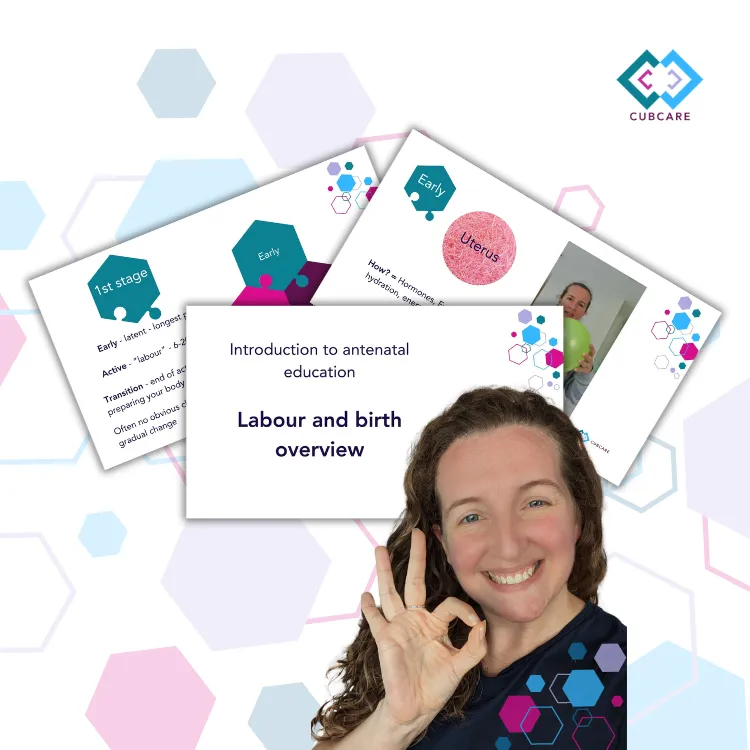
Labour and Birth
Watch our introduction to antenatal education webinar, our labour and birth overview - to start your antenatal education journey. Understanding the process, and what you can do to influence it.

Pregnancy Planner
Free Pregnancy Planner to help you prepare for a little one. Prepare your body, your mind, your finances and your home. Get organised, feel good and prepare for an active, positive birth.
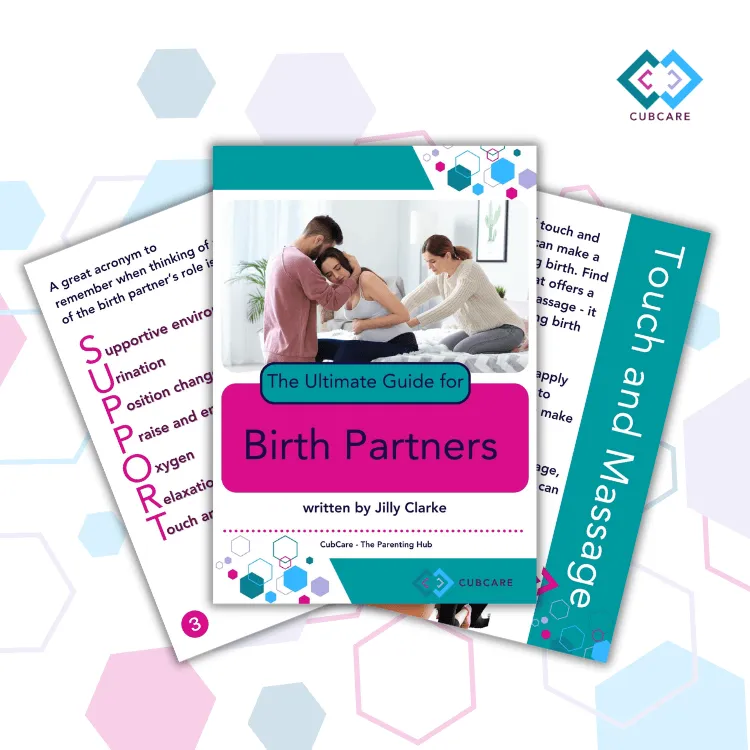
Birth Partner Guide
Your ultimate guide to being the best birth partner during pregnancy, birth and recovery. Learn what you need to do, and what you need to learn to be the best birth partner possible.
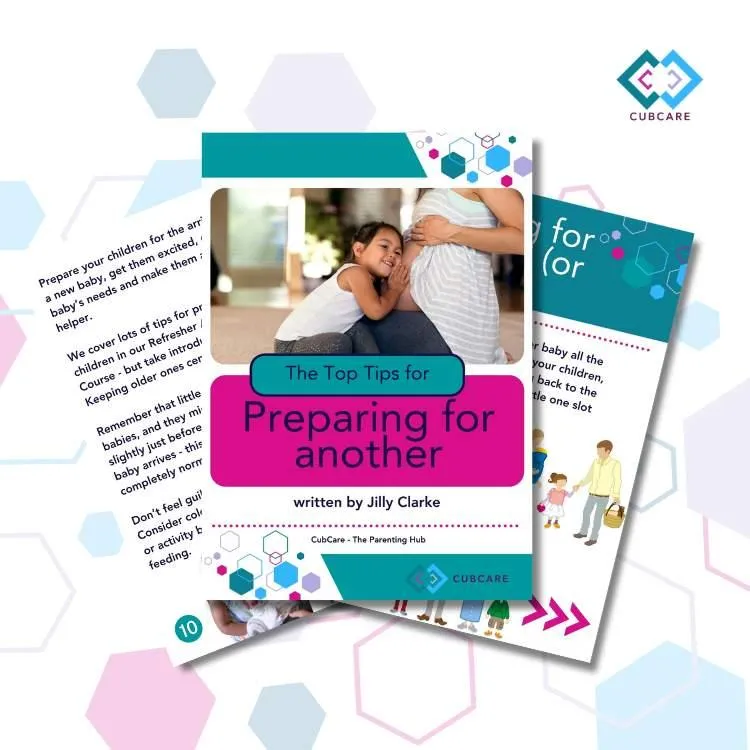
Expecting Again Guide
Your ultimate guide to preparing for another birth and an extra baby. Our top tips for navigating pregnancy and birth, and helping your older ones to transition into their new role as a big sibling.


Based in Welwyn Hatfield, offering local pregnancy support and doula services across Hertfordshire: St Albans, Hatfield, Welwyn Garden City, Potters Bar, Stevenage, Harpenden, Hitchin, Barnet, Mill Hill and surrounding areas.
Online antenatal and postnatal education available UK-wide.
© Copyright 2026 CubCare The Parenting Hub. CubCare is operated by The Birth and Baby Company Ltd. Company No. 15655287
Privacy Policy | Terms & Conditions | Medical Disclaimer | Inclusivity and Accessibility