
We're an award winning Antenatal and Postnatal Education Platform 2025!
(read more here)
CubCare blogs.
From early pregnancy to newborn development.
Advice to help through pregnancy, birth and childhood.
BLOG

My breasts stopped hurting at 6–8 weeks pregnant — should I worry?
"Breast tenderness is one of the first signs people look for in early pregnancy. So when it suddenly fades, the thought that follows is almost automatic: does this mean something has gone wrong?" - Jilly Clarke, First Trimester Antenatal Specialist, Antenatal Educator and Doula
For many people, breast soreness is one of the earliest signals that pregnancy is real.
Your chest feels heavier.
Your nipples become more sensitive.
Even a light touch can feel uncomfortable.
So when that tenderness suddenly eases — especially around six or seven weeks pregnant — it can feel alarming.
You may find yourself checking repeatedly. Pressing lightly. Trying to work out whether the sensation has really changed.
It’s an extremely common moment of anxiety in early pregnancy.
In most cases, however, breast tenderness naturally fluctuates during the first trimester, and a temporary reduction in soreness does not automatically indicate that something is wrong.
Understanding why this happens can make that shift far less frightening.
Why breast tenderness happens early in pregnancy
Breast changes are driven primarily by hormonal shifts in early pregnancy.
Two hormones play a particularly important role:
Oestrogen
This hormone increases blood flow to the breast tissue and stimulates the growth of milk ducts. These are the pipework for milk making and delivery, the process of which starts in the first trimester.
Progesterone
Progesterone supports the development of milk-producing glands and prepares the breast tissue for lactation later in pregnancy.
Together, these hormones cause:
• swelling in breast tissue
• increased blood flow
• heightened nerve sensitivity
• a heavier or fuller feeling in the chest
These changes can begin very early, sometimes even before a missed period.
Clinical reviews of breast physiology during pregnancy show that hormonal stimulation of breast tissue begins soon after implantation, with structural changes continuing throughout the first trimester.

If you want to understand what's normal in the first few weeks of pregnancy, and how it links to the rest of pregnancy and beyond, the First Trimester Course walks you through what’s common in weeks 4–12, what needs checking, and how to stop second-guessing every new sensation whilst getting a step ahead for the rest of pregnancy.
It’s £29. Immediate access
→ View the First Trimester Course
Why breast pain can suddenly decrease around 6–8 weeks of pregnancy
One of the most confusing aspects of early pregnancy symptoms is that they rarely follow a smooth pattern.
Hormones do not rise in a perfectly steady line. Instead, they fluctuate as the body adjusts to new hormonal levels.
That means symptoms driven by those hormones — including breast tenderness — can fluctuate as well.
Several things can contribute to breast soreness easing temporarily:
Your nervous system adapting to hormonal changes
When hormones first rise quickly, the body often reacts strongly. As the nervous system adapts, sensations that initially felt intense may begin to feel more manageable.
Small fluctuations in hormone levels
hCG and progesterone continue rising during early pregnancy, but the rate of increase can vary from day to day. That variation can affect how strongly symptoms are felt.
Changes in fluid balance and circulation
Breast swelling early in pregnancy is partly caused by increased blood flow and fluid retention. As the body adjusts to these circulatory changes, tenderness can fluctuate.
These shifts mean that symptoms can intensify for several days and then ease again, even when the pregnancy is progressing normally.
If symptom fluctuations are something you’re noticing more broadly, these guides explains why they happen:
→ Not feeling pregnant at 5–7 weeks: is it normal to have no symptoms?
→ Pregnancy symptoms disappeared overnight at 6–8 weeks — should I worry?

Can breast tenderness disappear and come back during pregnancy?
Yes.
It is very common for breast tenderness to come and go during the first trimester.
Some people experience strong soreness for several weeks. Others notice it fading and returning in waves. Some have very little breast discomfort at all.
Pregnancy symptoms rarely follow a predictable pattern, particularly before the placenta takes over hormone production at around 10–12 weeks.
This variability is well documented in research examining early pregnancy symptoms. Studies show that nausea, fatigue, breast tenderness and digestive symptoms all vary widely in timing and intensity across individuals.
The key point is that symptom patterns differ between pregnancies and between people, which means changes in tenderness alone are not a reliable sign of pregnancy health.
When changes in breast tenderness are usually normal in the first trimester
In most cases, a change in breast soreness is not concerning if:
• there is no heavy bleeding
• there is no severe abdominal pain
• you still occasionally notice other pregnancy symptoms
• the tenderness returns later
For many people, the body simply adjusts to hormonal changes, and the initial intensity of symptoms softens.
If you’re noticing other subtle changes in early pregnancy, this article explains why symptoms can feel surprisingly mild:
→ Not feeling pregnant at 5–7 weeks: is it normal to have no symptoms?

When breast tenderness changes should be checked in early pregnancy
Although symptom fluctuations are common, there are situations where medical advice is important.
Contact your GP, midwife or Early Pregnancy Unit if changes in symptoms occur alongside:
• heavy bleeding
• persistent pelvic pain
• severe one-sided abdominal pain
• shoulder-tip pain
• dizziness or fainting with pain
• fever
These symptoms require assessment because they may indicate miscarriage or ectopic pregnancy.
Clinical guidance from NICE confirms that early pregnancy complications are diagnosed through clinical assessment and ultrasound, rather than symptom patterns alone.
NICE guideline — Ectopic pregnancy and miscarriage
https://www.nice.org.uk/guidance/ng126
If something feels wrong, you are always entitled to seek reassurance.
Why symptom changes can trigger anxiety in early pregnancy
One of the hardest aspects of the first trimester is the lack of external confirmation.
Before the first scan, there are very few visible signs of pregnancy. That means many people rely on symptoms as evidence that everything is progressing normally.
So when a symptom disappears — whether that’s nausea, fatigue or breast soreness — the mind naturally starts searching for meaning.
But symptoms are an unreliable guide.
Hormones fluctuate. The nervous system adapts. The body learns how to manage the changes happening inside it.
Understanding that variability can help reduce the spiral of analysing every shift in sensation.
Understanding the bigger picture of early pregnancy symptoms
The first trimester involves rapid physiological change, but those changes are often uneven.
Some days the body feels unmistakably pregnant. Other days it feels almost normal again.
Breast tenderness is often one of the earliest signs of pregnancy, and it commonly appears alongside fatigue as hormone levels begin to rise.
→ Why am I so tired at 5–8 weeks pregnant? First trimester fatigue explained
If you want a clearer picture of what your body is doing during these weeks, this guide explains the physical changes happening across the first trimester:
→ What happens in the first 12 weeks of pregnancy? Week-by-week body changes explained
You can also explore the full first trimester symptom overview here:
→ First Trimester: what’s normal, what’s checked, and what actually matters
Frequently asked questions about breast tenderness in early pregnancy
Is it normal for breast pain to disappear during pregnancy?
Yes. Breast tenderness often fluctuates in early pregnancy because hormone levels rise unevenly and the body gradually adapts to those changes.
Should I worry if my breasts stop hurting at 6 weeks pregnant?
In most cases, no. Changes in breast tenderness alone are common and usually not a sign of miscarriage. However, heavy bleeding or severe pain should always be checked.
Do breasts always stay sore in pregnancy?
No. Some people experience tenderness throughout the first trimester, while others notice it fading after a few weeks or returning intermittently.
What other early pregnancy symptoms are common?
Common symptoms include nausea, fatigue, bloating, increased urination and mild pelvic sensations. However, some pregnancies involve very mild symptoms overall.
Support for navigating first trimester pregnancy symptoms
If symptoms are shifting and you find yourself second-guessing every change, you’re not alone.
The early weeks of pregnancy often involve more uncertainty than most people expect.
The CubCare First Trimester Course was created specifically for this stage.
Inside the course you’ll learn:
• what’s normal between weeks 4–12
• why symptoms fluctuate
• what symptoms need checking
• practical ways to ease nausea, fatigue and anxiety
• how to understand what your body is doing week by week
It’s £29 with immediate access, so you can start making sense of early pregnancy straight away.
Because reassurance shouldn’t depend on whether your symptoms changed overnight.

Easily navigate to our most popular Blog categories
Download our Freebies
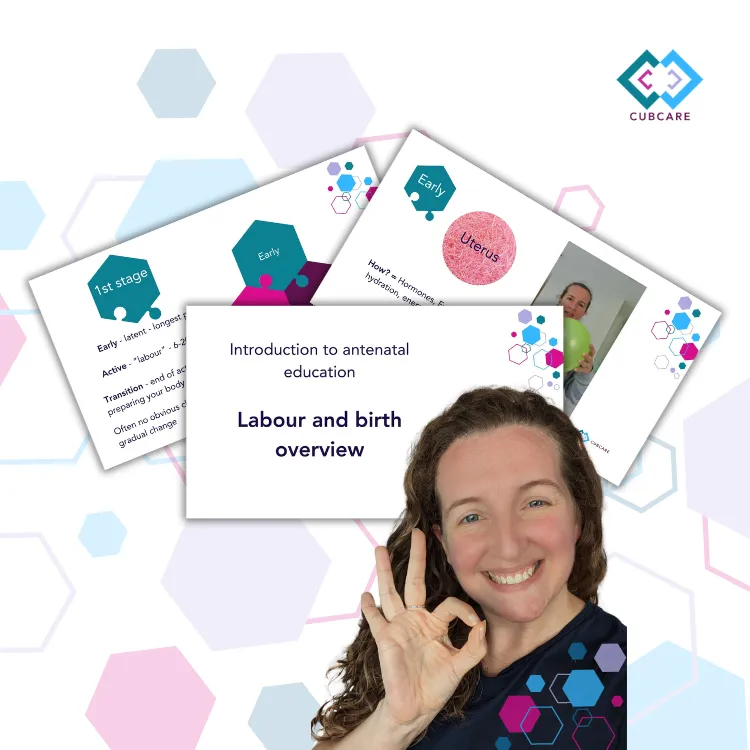
Labour and Birth
Watch our introduction to antenatal education webinar, our labour and birth overview - to start your antenatal education journey. Understanding the process, and what you can do to influence it.

Pregnancy Planner
Free Pregnancy Planner to help you prepare for a little one. Prepare your body, your mind, your finances and your home. Get organised, feel good and prepare for an active, positive birth.
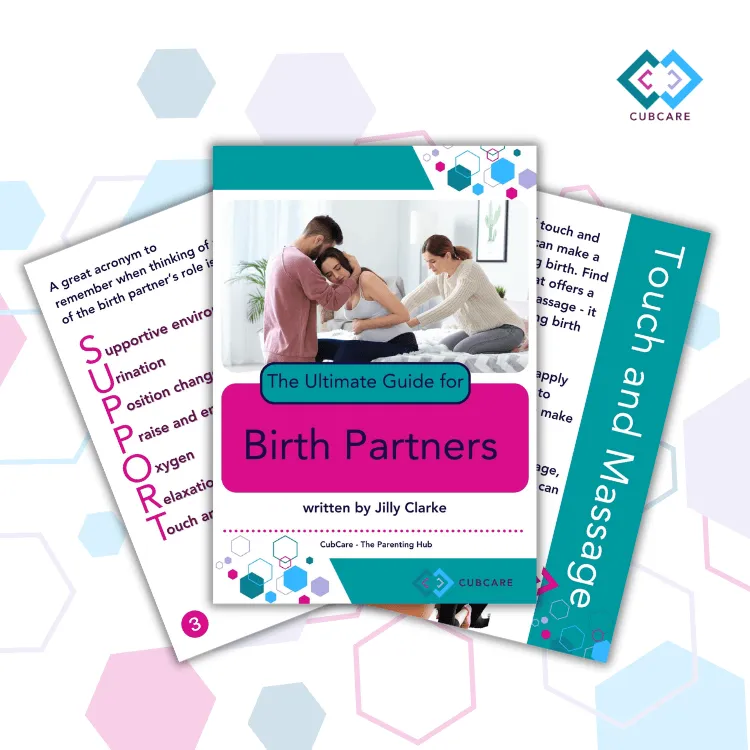
Birth Partner Guide
Your ultimate guide to being the best birth partner during pregnancy, birth and recovery. Learn what you need to do, and what you need to learn to be the best birth partner possible.
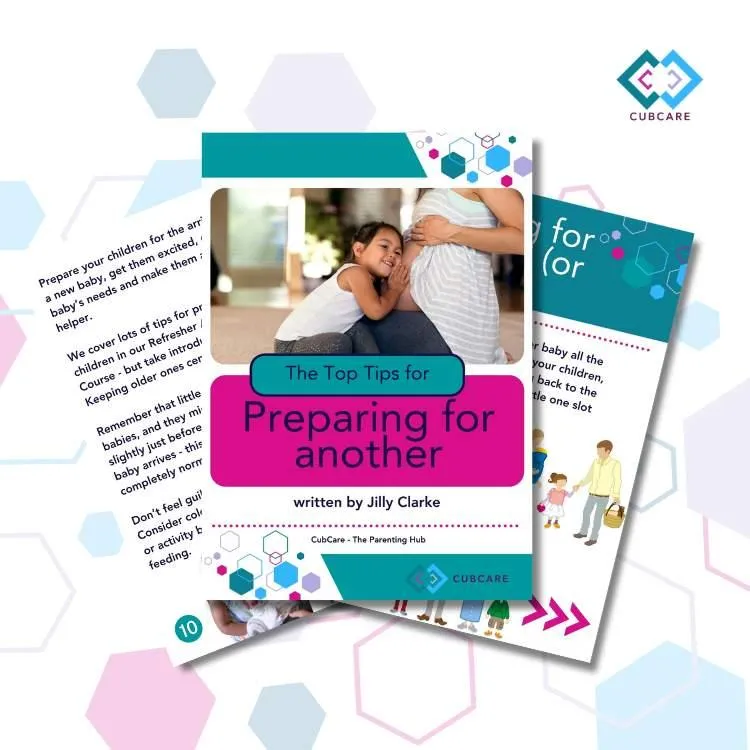
Expecting Again Guide
Your ultimate guide to preparing for another birth and an extra baby. Our top tips for navigating pregnancy and birth, and helping your older ones to transition into their new role as a big sibling.


Based in Welwyn Hatfield, offering local pregnancy support and doula services across Hertfordshire: St Albans, Hatfield, Welwyn Garden City, Potters Bar, Stevenage, Harpenden, Hitchin, Barnet, Mill Hill and surrounding areas.
Online antenatal and postnatal education available UK-wide.
© Copyright 2026 CubCare The Parenting Hub. CubCare is operated by The Birth and Baby Company Ltd. Company No. 15655287
Privacy Policy | Terms & Conditions | Medical Disclaimer | Inclusivity and Accessibility