We're an award winning Antenatal and Postnatal Education Platform 2025!
(read more here)
CubCare blogs.
From early pregnancy to newborn development.
Advice to help through pregnancy, birth and childhood.
BLOG

Metallic taste in early pregnancy (5–9 weeks): why your mouth tastes weird
"Suddenly not liking the taste of tea, or struggling with the taste of water, is often one of the earliest pregnancy symptoms – and one of the most irritating. Some people move through early pregnancy barely noticing these shifts. Others feel like everything is suddenly louder — smells, taste, nausea, tiredness. It seems to take over everything." - Jilly Clarke, First Trimester Antenatal Specialist, Antenatal Educator and Doula
You take a sip of water and pause.
It doesn’t taste clean.
It doesn’t taste like anything you recognise.
You try again.
Same result.
Later, it’s still there. Not strong enough to ignore, not obvious enough to describe properly. Just… present. You notice it more with water, because there’s nothing else masking it.
And once you’ve noticed it, it’s hard to stop checking for it. You catch yourself swallowing more often, trying to work out if it’s still there.
Why your mouth tastes metallic or strange in early pregnancy
A metallic or unusual taste in early pregnancy is common, especially between 5–9 weeks.
It happens because pregnancy hormones change how taste and smell are processed in the brain, making normal flavours feel stronger, distorted, or unfamiliar — even when nothing has changed in what you’re eating or drinking.
Why does everything taste different in early pregnancy?
Everything can taste different in early pregnancy because hormones change how your brain processes taste and smell.
Flavours that normally feel neutral can become stronger, distorted, metallic, or just unfamiliar.
Hormones change how taste and smell are processed
Oestrogen and hCG rise quickly in early pregnancy.
These hormones affect the areas of the brain involved in:
• taste
• smell
• nausea
This is why multiple symptoms tend to appear together:
• food suddenly tasting different
• strong reactions to smells
• nausea triggered by things that never bothered you before
These symptoms often appear together because the same hormonal changes are affecting how your brain processes sensory input.
If you’re trying to piece symptoms together as you go
If you’re noticing things like this and trying to make sense of them one by one, it’s very easy to end up using symptoms as your only reference point.
But symptoms don’t stay consistent.
The First Trimester Course gives you a clear way to understand what’s happening from the start — so you’re not second-guessing every new symptom as it shows up.
→ View the First Trimester Course

Taste and smell are working together — and both have changed
What you experience as “taste” is heavily influenced by smell.
In early pregnancy, smell sensitivity increases.
That change feeds directly into how food and drinks taste.
This is why:
• water can suddenly taste unpleasant
• familiar foods feel “off”
• a metallic or bitter taste appears without a clear source
The shift is happening in how those signals are being processed.

Your nervous system is more reactive in early pregnancy
Early pregnancy changes how your nervous system responds to sensory input.
Your nervous system becomes more responsive to input.
That includes:
• taste
• smell
• texture
• internal sensations
This is the same system that drives nausea.
So when people describe a “metallic” or “wrong” taste, it often sits very close to that nausea threshold — even if they’re not actively being sick.
That’s why it can feel persistent and hard to ignore.
Saliva changes can make the taste more noticeable
Some people produce more saliva in early pregnancy, or become more aware of it.
This is more significant than it sounds, because it repeats the same taste throughout the day.
When there is more saliva, or you are swallowing more frequently, any underlying taste is repeated again and again throughout the day.
So even a subtle change becomes something you keep noticing.
Why does changing taste start suddenly in early pregnancy?
This is the same pattern seen across early pregnancy.
Symptoms don’t build in a straight line.
Hormones rise quickly. The nervous system adapts alongside that. Sensory processing shifts in small steps.
You don’t notice each step.
You notice the moment it becomes obvious. Often that’s the first time you take a sip of water or eat something and realise it doesn’t taste like it did yesterday.
That’s why people often say:
“I woke up and everything tasted different”
or
“It just started out of nowhere”
The same pattern shows up here:
→ Pregnancy symptoms coming and going in early pregnancy (5–9 weeks)

What helps with a metallic or strange taste in early pregnancy?
You won’t switch this off completely. But you can reduce how strong and constant it feels during the day.
Eat and drink regularly to break the cycle
An empty stomach makes this worse.
When you haven’t eaten for a while, taste becomes more noticeable and nausea sits closer to the surface.
Small, regular food intake changes that.
Even something simple — crackers, fruit, toast — can reduce how strong the taste feels within minutes.
This is the same reason that nausea often feels worse when you haven’t eaten:
→ https://cubcare.co.uk/blog/b/morning-sickness-early-pregnancy
Use cold, sharp or fresh flavours to override the taste
Cold and acidic flavours tend to cut through the metallic taste more effectively.
Examples people often tolerate better:
• cold water with lemon
• citrus fruits
• chilled drinks rather than warm ones
They temporarily override what you’re tasting.
Change toothpaste if brushing makes it worse
Toothpaste can make the taste more noticeable, particularly strong mint formulas.
If brushing your teeth leaves a lingering unpleasant taste, switching to a milder or non-mint toothpaste often reduces that effect.
If brushing your teeth is also triggering it, this explains what’s happening:
→ Gagging when brushing teeth in early pregnancy (5–9 weeks)
Keep your mouth from drying out
A dry mouth makes taste more concentrated.
Drinking regularly, chewing gum, or sucking on something small can reduce that intensity.
Follow what currently tastes acceptable
Food preferences often shift quickly in early pregnancy.
If something tastes “normal”, that’s useful information.
If something tastes wrong, forcing it tends to make both the taste and any nausea worse.
Is a metallic taste normal at 5–9 weeks pregnant?
Yes.
It’s a recognised early pregnancy symptom, often appearing alongside:
• nausea
• smell sensitivity
• fatigue
• changes in appetite
→ Why am I so tired at 5–8 weeks pregnant? First trimester fatigue explained
You should speak to your GP or midwife if:
• the taste is severe enough to stop you eating or drinking
• you are losing weight
• symptoms feel unmanageable
Why a weird taste in your mouth feels so distracting
This isn’t a symptom you can step away from.
You can’t avoid your mouth. You can’t stop tasting.
So even though it’s not dangerous, it can feel constant.
It sits there in the background of everything you eat and drink.
And because it doesn’t have a clear trigger, it’s harder to predict or manage.
How this fits into early pregnancy as a whole
This is part of a wider shift happening in early pregnancy.
Early pregnancy changes how your body processes input — not just what’s happening physically, but how it’s experienced.
Once you understand what’s driving it, these symptoms feel more predictable and easier to work with. They start to follow a pattern.
If you want a clearer explanation of how those patterns show up across weeks 4–12:
→ What happens in the first 12 weeks of pregnancy? Week-by-week body changes explained
→ First Trimester: What’s normal, what’s checked, and what actually matters
When every new symptom becomes something to figure out
If symptoms are your only reference point, this keeps happening.
Something new shows up — and you’re straight back trying to work out what it means.
That doesn’t disappear later.
You’re still second-guessing — just with different symptoms, different appointments, different decisions. At 20 weeks, at 25 weeks, at 32 weeks.
The First Trimester Course gives you a clear path from the start — so the rest of your pregnancy doesn’t feel like this.

Easily navigate to our most popular Blog categories
Download our Freebies
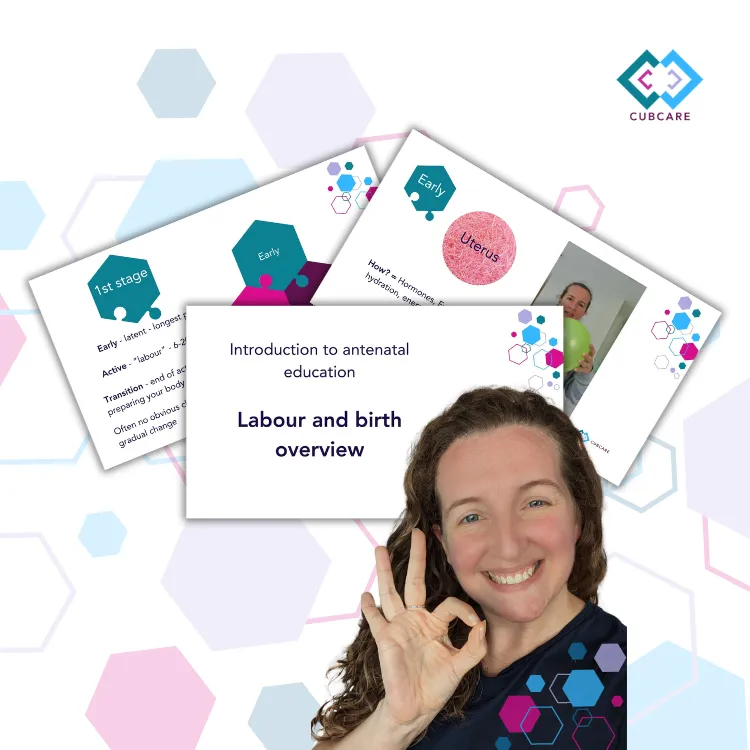
Labour and Birth
Watch our introduction to antenatal education webinar, our labour and birth overview - to start your antenatal education journey. Understanding the process, and what you can do to influence it.

Pregnancy Planner
Free Pregnancy Planner to help you prepare for a little one. Prepare your body, your mind, your finances and your home. Get organised, feel good and prepare for an active, positive birth.
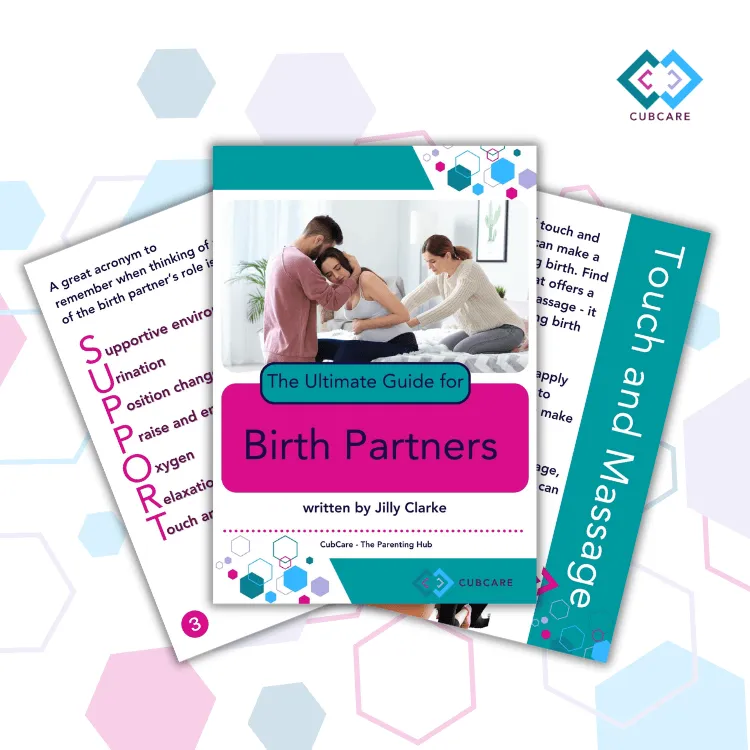
Birth Partner Guide
Your ultimate guide to being the best birth partner during pregnancy, birth and recovery. Learn what you need to do, and what you need to learn to be the best birth partner possible.
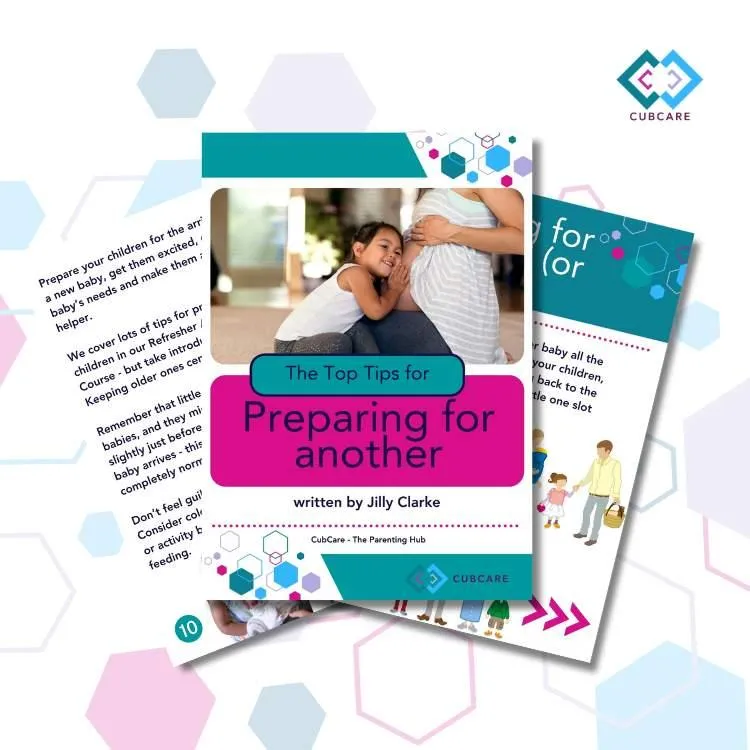
Expecting Again Guide
Your ultimate guide to preparing for another birth and an extra baby. Our top tips for navigating pregnancy and birth, and helping your older ones to transition into their new role as a big sibling.


Based in Welwyn Hatfield, offering local pregnancy support and doula services across Hertfordshire: St Albans, Hatfield, Welwyn Garden City, Potters Bar, Stevenage, Harpenden, Hitchin, Barnet, Mill Hill and surrounding areas.
Online antenatal and postnatal education available UK-wide.
© Copyright 2026 CubCare The Parenting Hub. CubCare is operated by The Birth and Baby Company Ltd. Company No. 15655287
Privacy Policy | Terms & Conditions | Medical Disclaimer | Inclusivity and Accessibility