
We're an award winning Antenatal and Postnatal Education Platform 2025!
(read more here)
CubCare blogs.
From early pregnancy to newborn development.
Advice to help through pregnancy, birth and childhood.
BLOG

Neonatal Care - 5 reasons why your baby might need neonatal care and support
“One of the most common reasons for a baby to be admitted to neonatal care at term is infection. If your baby shows signs of infection, depending on the level of distress the baby is in, they will receive antibiotics either in the neonatal unit or staying with you in the maternity unit.” - Susanna, Neonatal Nurse
Why your baby might need Neonatal care and how to navigate it
Around 1 in 7 babies born in the UK are admitted to a neonatal unit each year (1).
There are different reasons for a baby to be admitted in the neonatal unit and statistics show that of babies needing neonatal care, the majority are born 37 weeks plus.
As it is so common for baby to need some extra help, we discuss the journey in our Antenatal Courses (both in person and online).
I have asked neonatal nurse, and my client Susanna to share some reasons why your baby may be admitted to neonatal care after birth.

Types of Neonatal care - different units from NICU to SCBU
There are three types of Neonatal units around the country with different capabilities. There are fewer level 3 units across the country than there are level 2 and 1, because the requirement is less. Most babies who need neonatal care will need level 1 or 2 care for a period of time. Sometimes, if your local hospital doesn't have the level of care that your baby requires, or if there are no beds, then the care team may need to discuss transfer to a different unit:
Level 3 - Neonatal Intensive Care Unit - NICU for complex care. Usually for babies born before 27 weeks and/or who are very sick
Level 2 - Local Neonatal Unit - LNU for high dependency. If your baby is born after 27 weeks and/or doesn't require the care intensity of a level 3 unit.
Level 1 - Special Care Baby Unit - SCBU for initial and short-term care. For babies who do not need intensive or a high level of medical care, and for babies born after 32 weeks’ gestation
There is also Transitional Care, where your baby is able to stay with you (either in the postnatal ward or in a room in the neonatal unit) whilst being monitored by nurses. Some babies born between 34 and 37 weeks’ gestation may be cared for in TC, depending on their weight and if they do not require any form of respiratory support. Transitional Care means your baby is almost ready to go home, but still requires some monitoring/support, such as:
General observations
Blood sugar monitoring
Phototherapy treatment for mild jaundice
Antibiotics
Feeding support (sometimes requiring nasogastric tube feeding)
If you are re-admitted into hospital after going home, this is where you and your baby might be cared for.
If baby is born at term (37 weeks plus) and needing neonatal support
"Even if a baby is born at term they might need a little extra help from the neonatal team for a period of time. If there are certain conditions during the pregnancy for example, they may need some additional help, or they may need to undergo tests shortly after birth. Or, during labour and your baby goes into distress, the neonatal team will be called to attend the delivery and check on the baby straight after. Or after a caesarean, baby might need help to get rid of the extra fluid in their lungs.
Sometimes baby needs to be taken to the neonatal care unit to be more closely monitored, and you will be able to see them as soon as you are able to move around.
If the baby is with you after birth, the midwife will check on the baby regularly. If they see any signs of distress, for example fast breathing, or extreme sleepiness, or a yellow tinged colour of the skin (called jaundice) they will ask the neonatal team to see your baby, and occasionally the baby might need admission to the neonatal care unit."
Common reasons for a term baby to need neonatal care
One of the most common reasons for a baby to be admitted to neonatal care at term is infection. If your baby shows signs of infection, depending on the level of distress the baby is in, they will receive antibiotics either in the neonatal unit or staying with you in the maternity unit. The antibiotic will be given through a cannula in the vein and can be a short course (as little as 2 days to make sure there are no actual infection) or a longer course (occasionally even 2-3 weeks) depending on the bug that will be identified.
Another reason for your baby to need some extra neonatal care is jaundice. Jaundice is caused by the inability of the liver to process and break down all the red cells in the bloodstream. After birth when they are inhaling air, their bodies do not need as many red blood cells as they needed before birth. When the red blood cells start to break down, a waste product called bilirubin is produced. If this isn’t flushed through their body quick enough it can cause the yellow tinged skin colour and it is totally natural. Usually this happens with frequent feeding, leading to frequent dirty nappies, and exposure to daylight.
However, some babies have higher level of bilirubin that needs to be reduced before getting to a dangerous level (this level depends on the gestation of the baby at birth). The quickest way is with phototherapy.

Premature babies needing neonatal care
As it is well known, very few babies are born on the estimated due date. However, occasionally the baby will arrive much earlier than expected.
Depending on how premature the baby is, you might need a specific hospital to look after them. Some hospitals are especially equipped to care for more premature babies, and some maternity units do not have neonatal intensive care units. In these cases, depending on the circumstances, the baby will be transferred either before or after birth. If it is known that baby will arrive earlier than expected, then occasionally you will be transferred before their birth so that baby does not need to undergo the journey to a different hospital.
When a baby is born premature, the journey can be a long one. And it is going to be a tough journey, both physically and emotionally, for everyone. There can be setbacks in baby’s progression and that can be difficult to navigate.
So, please always remember that you are not alone. If you are struggling for any reason, speak with the midwife or the neonatal team and they will offer support and guidance. The average length of stay depends on how early your baby is born, but can be from couple of weeks, to months.
Bonding with your baby in neonatal care
Depending on the reason why they are having neonatal care, the baby is likely going to need to stay inside an incubator in neonatal care for a while. A premature, or poorly baby is not able to maintain their own temperature.
As soon as your baby is well enough you will be able to have skin to skin time, or kangaroo care time. This is a very important time for you and your baby as it creates connection, help the thermoregulation, and has many positive aspects on your baby and yourself.
Even if the baby is in the incubator, don’t let it cause a barrier between you and your baby. Try to participate in the care as much as you feel comfortable to. Learning comfort holding whilst baby is in the incubator will help you to soothe and settle them, allowing you get to know their cues and signals.
Sometimes supporting your baby with still, resting hands can be more comforting than stroking or massage, which are more stimulating, and difficult if baby is on machines or too poorly or small to leave the incubator.
Talk and sing to your baby as they will be familiar with your voice and this can provide comfort and reassurance for them.
Always speak with staff, they will help you in every step in getting to know your baby.
Breastfeeding and neonatal care
If you wish to breastfeed and your baby is admitted in neonatal unit, that doesn’t mean you won’t be able to. Depending on why baby needs extra care, it may be possible to breastfeed normally.
If it is difficult, or if baby is too poorly then it is very important that you speak with the midwife or the neonatal team about your feeding wishes and start expressing from the very beginning. You will need to express often, and it can be quite time consuming but will allow you to establish breastfeeding once your baby is ready.
Antenatal expressing of colostrum from around 36 weeks of pregnancy can be a good idea for everybody. It is something that can be discussed with your midwife at your antenatal appointments.
If you have any concern on your baby, or notice something you are not sure about, speak with the midwife and they will be able to help. Don’t keep any concern for yourself. Always remember there is no such thing as a stupid question.”
Thank you so much Susanna, your experience of being a neonatal nurse, and your own personal experience with a neonatal journey has been so helpful.
If you want more advice, knowledge and preparation for life with your newborn then we have our Antenatal Course (both in person and online).
Antenatal Course in person
Antenatal Course online
Birth Partner course (included in our Antenatal course)
Refresher Antenatal Course in person
Refresher Antenatal Course online

Easily navigate to our most popular Blog categories
Download our Freebies
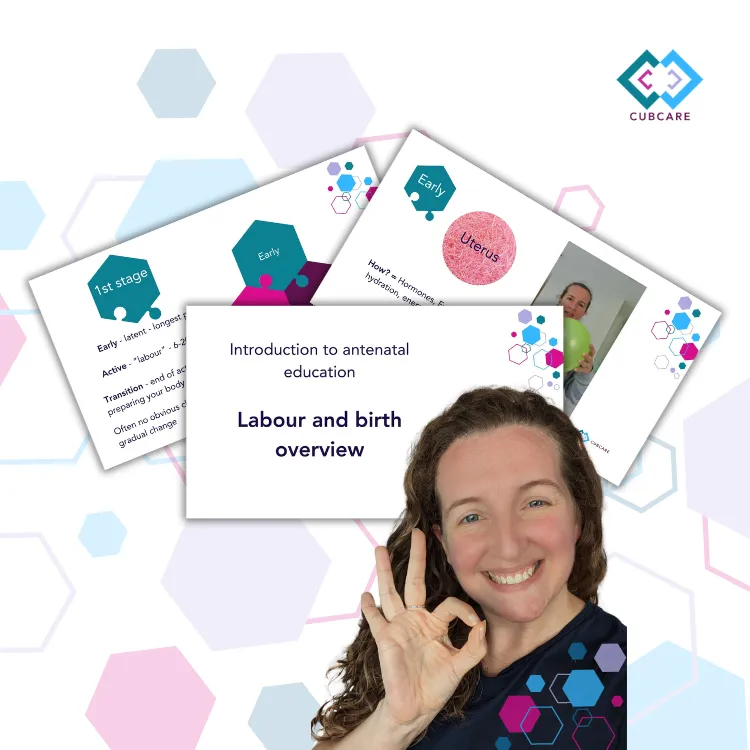
Labour and Birth
Watch our introduction to antenatal education webinar, our labour and birth overview - to start your antenatal education journey. Understanding the process, and what you can do to influence it.

Pregnancy Planner
Free Pregnancy Planner to help you prepare for a little one. Prepare your body, your mind, your finances and your home. Get organised, feel good and prepare for an active, positive birth.
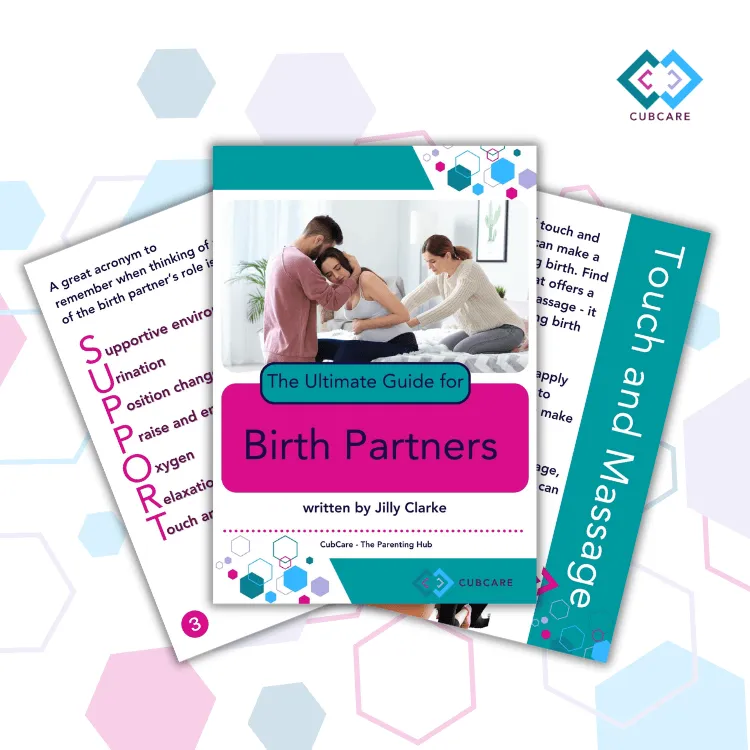
Birth Partner Guide
Your ultimate guide to being the best birth partner during pregnancy, birth and recovery. Learn what you need to do, and what you need to learn to be the best birth partner possible.
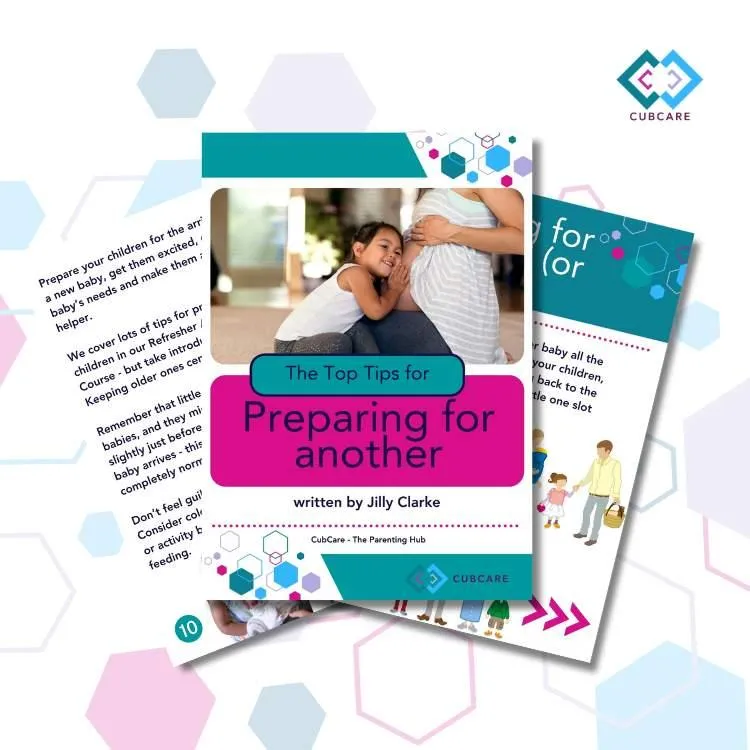
Expecting Again Guide
Your ultimate guide to preparing for another birth and an extra baby. Our top tips for navigating pregnancy and birth, and helping your older ones to transition into their new role as a big sibling.


Based in Welwyn Hatfield, offering local pregnancy support and doula services across Hertfordshire: St Albans, Hatfield, Welwyn Garden City, Potters Bar, Stevenage, Harpenden, Hitchin, Barnet, Mill Hill and surrounding areas.
Online antenatal and postnatal education available UK-wide.
© Copyright 2026 CubCare The Parenting Hub. CubCare is operated by The Birth and Baby Company Ltd. Company No. 15655287
Privacy Policy | Terms & Conditions | Medical Disclaimer | Inclusivity and Accessibility