
We're an award winning Antenatal and Postnatal Education Platform 2025!
(read more here)
CubCare blogs.
From early pregnancy to newborn development.
Advice to help through pregnancy, birth and childhood.
BLOG
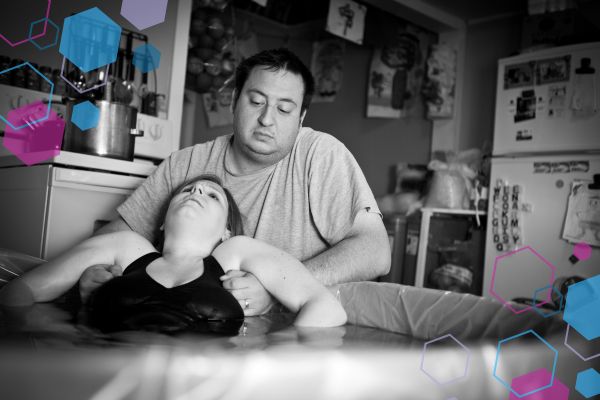
Second-time birth partner support: what partners need to relearn before the next birth
"Just because you’ve supported a birth before doesn’t mean you’re prepared for this one. Birth doesn’t repeat itself — and neither do the people in the room." - Jilly Clarke, Doula, Birth Partner Antenatal Specialist and founder of CubCare
I hear birth partners say it all the time: I feel more relaxed this time.
You know what labour sounds like. You know it can be intense. You know your partner can cope.
What often catches people out is how much memory walks into the room with them.
You already know how contractions build, how focus narrows as labour progresses, how the room can fade out as intensity increases. You remember specific moments from the last birth — when things changed pace, when decisions were made, when support felt solid, or when you look back and wish you’d stepped in sooner, or differently.
That experience shapes how closely you watch your partner, how quickly you intervene, and when you decide things are “fine” without checking whether they actually feel fine to them.
This post is about helping birth partners approach a second birth with intention rather than assumption — so you’re not relying on memory alone, but actively supporting the person in front of you, in the birth that’s actually unfolding.
Why second-time birth partner support feels different in labour
Second births come with expectation.
You’ve seen labour progress before, so when contractions deepen or sounds change, your brain reaches for comparison. You start measuring what’s happening now against what happened then, trying to work out where you are and what’s likely to come next.
Your partner may be doing something very different.
They might tense when contractions shift from strong to consuming, because last time that marked a point where things escalated quickly. They might react when monitoring is mentioned, or when someone uses language that echoes a moment they remember vividly. Their body responds before they’ve had time to explain why.
A faster build in intensity can feel reassuring — or unsettling — depending on how the last birth unfolded. A suggestion from staff might sound routine to you, but land heavily for your partner because of when it appeared last time.
What helps here is staying with your partner’s experience in this moment, rather than interpreting what you see through what happened before.

How previous birth experience affects birth partner behaviour
Previous experience doesn’t just change how your partner responds. It changes how you do too.
You’re more likely to ease off. To trust that they’ll tell you if they need something. To assume silence means coping, or intensity means progress.
That shift is understandable — but it’s also where support can thin without anyone meaning it to.
Second-time birth partners often intervene later, not because they don’t care, but because they’re waiting for things to look the way they remember. By the time they recognise the moment, it may already have passed.

Why “we’ve done this before” can weaken birth partner support
One of the most common mistakes second-time birth partners make is easing off.
You trust your partner’s strength. You know they can labour. You don’t want to hover. And somewhere along the way, you start to believe that birth doesn’t need the same level of attention from you this time.
That’s where distance creeps in.
You assume they’ll tell you if they need something.
You assume silence means coping.
You assume intensity means progress.
But birth still needs active support, even when it looks familiar. When partners shift into a they’ve got this mindset, they’re more likely to miss subtle changes — the moment reassurance would help, the moment silence stops feeling supportive, the moment stepping closer would steady things.
Birth doesn’t need you to step back the second time. It needs you fully in the room, for this birth.
How the first birth can influence your partner’s responses in labour
The experiences of a first birth often show up physically before they show up in words.
You might see your partner’s shoulders tighten when contractions change shape. You might notice their breathing shorten when a particular piece of equipment appears. They may ask the same question again — not because they didn’t hear the answer, but because they’re checking whether this point in labour is becoming something they recognise.
If the first birth was difficult, their body may stay on higher alert this time. They’re watching closely for signs things are unfolding in a similar way. Small changes can feel loaded. Decisions can carry more weight than they appear on the surface.
Your role here isn’t to explain those reactions away or push past them. It’s to notice what’s happening and stay connected, so this labour stays anchored in the present rather than pulled back into the last one.
That work often starts in pregnancy — taking time together to understand what happened before, where support felt thin, and what you want to do differently this time.

How birth partner support needs to change in a second labour
Second time around, support often needs to arrive earlier — and feel closer.
Your partner may withdraw sooner than you expect. Contractions change pace, monitoring is mentioned, or a suggestion lands that echoes a point where decisions began stacking up last time. You can feel the atmosphere change. Their body tightens. Their focus narrows.
You might notice their breathing shorten, their answers become clipped, or their attention move away from the room and back towards you — a look, a repeated question, a hand reaching back.
This is where your attention matters most.
Staying alongside them rather than hovering at the edges. Slowing yourself down so they don’t feel rushed. Offering presence before anxiety has space to build, rather than waiting until things feel harder to manage.
Second births don’t usually need more noise or more reassurance. They tend to need someone who is watching carefully and responding early, while there’s still room to steady things.
How to prepare as a birth partner for a second baby
Preparation the second time isn’t about starting again — and it isn’t about skipping preparation either.
It’s about looking back honestly, together.
Not just what happened in the first birth, but how it felt.
Where support worked, and where it thinned.
What still feels sensitive.
What you want to protect this time.
These conversations reset you as a team. They give this birth permission to be its own experience, rather than something that has to repeat or compensate for the last one.
This is often when partners realise something important: having supported a birth before doesn’t automatically prepare you for the next one. It means you’re bringing memory into the room — and that memory needs attention.
What research shows about birth partner support in second and subsequent births
The evidence doesn’t stop applying once someone has given birth before.
Large reviews show that continuous, engaged birth partner support is associated with shorter labours, fewer interventions, and more positive experiences — regardless of whether this is a first or subsequent birth.
A major review from the Cochrane Library, analysing over 15,000 births, found consistent benefits when someone stayed present and involved throughout labour, including reduced caesarean rates and improved satisfaction with the birth experience.
Bodies respond to safety in the same way, whether it’s a first birth or a fifth.
What your partner is most likely to remember about your support
They may compare this birth to the last — consciously or not.
They’ll remember whether you noticed when things felt different.
Whether you stayed engaged instead of assuming.
Whether this birth felt like its own experience, with its own support.
If you want to show up well this time — not on autopilot, not relying on memory — preparation matters.
The Birth Partner Course is designed to support partners through exactly this work: learning how to stay present, responsive, and useful, even when you’ve been here before.
→ Explore antenatal course for couples / the Birth Partner Course
→ Related reading: birth partner support during labour
Refresher Antenatal Course in person
Refresher Antenatal Course online
Birth Partner course (included in our Antenatal course)
Antenatal Course in person
Antenatal Course online

Easily navigate to our most popular Blog categories
Download our Freebies
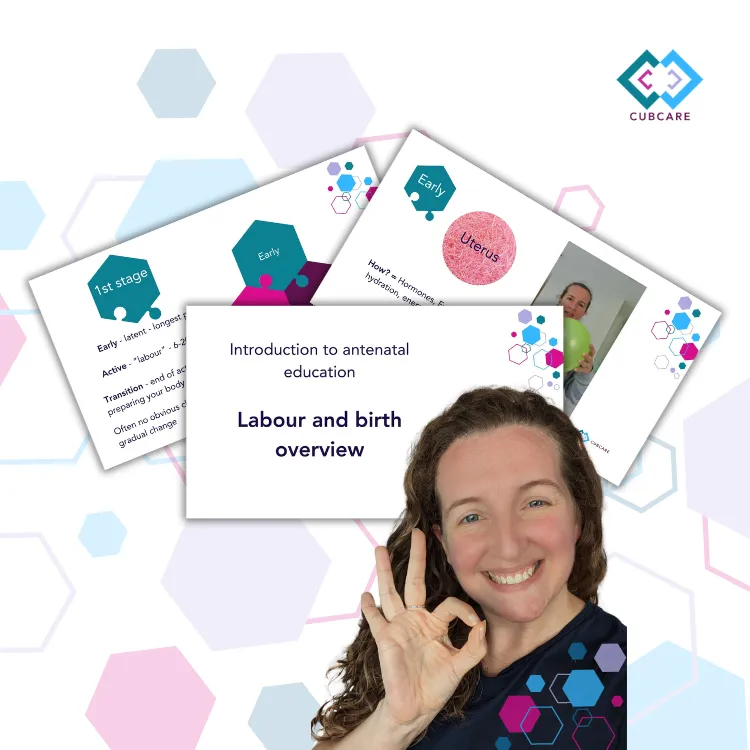
Labour and Birth
Watch our introduction to antenatal education webinar, our labour and birth overview - to start your antenatal education journey. Understanding the process, and what you can do to influence it.

Pregnancy Planner
Free Pregnancy Planner to help you prepare for a little one. Prepare your body, your mind, your finances and your home. Get organised, feel good and prepare for an active, positive birth.
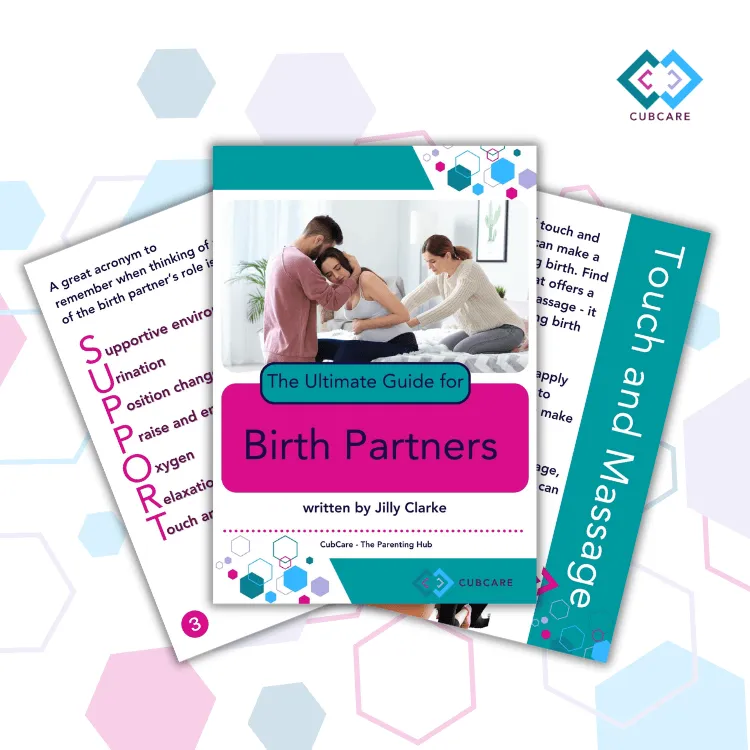
Birth Partner Guide
Your ultimate guide to being the best birth partner during pregnancy, birth and recovery. Learn what you need to do, and what you need to learn to be the best birth partner possible.
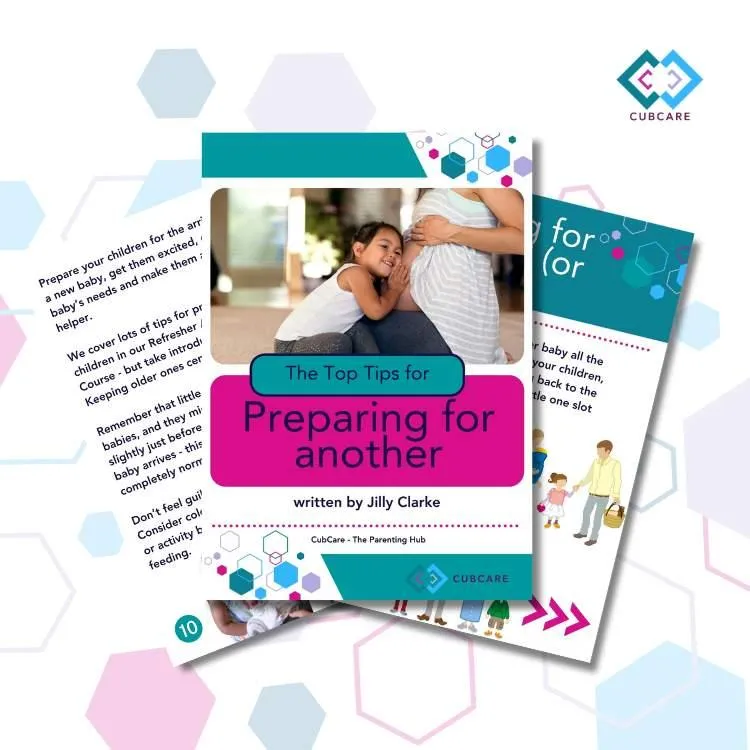
Expecting Again Guide
Your ultimate guide to preparing for another birth and an extra baby. Our top tips for navigating pregnancy and birth, and helping your older ones to transition into their new role as a big sibling.


Based in Welwyn Hatfield, offering local pregnancy support and doula services across Hertfordshire: St Albans, Hatfield, Welwyn Garden City, Potters Bar, Stevenage, Harpenden, Hitchin, Barnet, Mill Hill and surrounding areas.
Online antenatal and postnatal education available UK-wide.
© Copyright 2026 CubCare The Parenting Hub. CubCare is operated by The Birth and Baby Company Ltd. Company No. 15655287
Privacy Policy | Terms & Conditions | Medical Disclaimer | Inclusivity and Accessibility