We're an award winning Antenatal and Postnatal Education Platform 2025!
(read more here)
CubCare blogs.
From early pregnancy to newborn development.
Advice to help through pregnancy, birth and childhood.
BLOG

Morning Sickness Explained: Why early pregnancy nausea happens & what helps
"If you’re wondering whether your pregnancy nausea is ‘bad enough’ to ask for help, it is. Most people wait far too long — but the physical load starts early, and you deserve support just as early." - Jilly Clarke, First Trimester and Early Pregnancy antenatal expert, Doula and founder of CubCare.
They call it morning sickness — but that’s misleading, isn’t it?
It can hit in the morning, the evening, or all day long.
It can creep up quietly or knock you sideways out of nowhere.
You might be starving but can’t face food. Exhausted but can’t sleep.
Crying because you’re tired of feeling sick — and then guilty for crying.
You’re not weak for finding this hard.
You’re living through one of pregnancy’s most physically demanding adaptations — and it starts before anyone else can see a thing.
Why pregnancy nausea happens in the first trimester
Morning sickness isn’t random. It’s not about mindset. And it’s definitely not a sign that you should be coping better.
It’s your body responding to rapid hormonal, neurological and digestive change — all at once — because the first trimester is the most intense period of development your body ever undertakes. These changes don’t exist to make you miserable. They exist because your body is prioritising pregnancy long before you feel ready for it.
Here’s what’s actually happening:
1. Early pregnancy hormones rise quickly — and they’re strongly linked to nausea
After implantation, pregnancy hormones climb fast. Traditionally, hCG (human chorionic gonadotropin) has been the main focus, but newer research shows that another hormone, GDF15, produced by the placenta and fetus, plays a major role in how severe nausea feels.
Why it happens:
These hormones are there to stabilise and support the pregnancy — not to punish you. They help maintain the uterine lining, support placental development and communicate between the pregnancy and your brain. Nausea is an unwanted side-effect of that signalling, not the main event.
2. Oestrogen increases sensory sensitivity
Oestrogen rises early and fast — and one of its jobs is to heighten smell and taste.
That’s why previously tolerable smells now feel overwhelming. Your nervous system is reacting more intensely to sensory input.
Coffee. Toothpaste. Perfume. Leftovers. Someone opening the fridge. Almost anything can become “too much”.
Why it happens:
This heightened sensitivity is probably protective. Your body becomes more selective about what you’re exposed to during early development, when the embryo is most vulnerable.
3. Progesterone slows digestion
Progesterone relaxes smooth muscle — including your stomach and intestines.
Digestion slows. Food stays in the stomach longer. Fullness feels heavier. Bloating increases. Reviews of nausea and vomiting in pregnancy describe how hormonal changes alter gastric motility and slow emptying, which contributes directly to queasiness and reflux. See the link to the study here.
Why it happens:
Slower digestion allows more time for nutrient absorption. That’s useful in early pregnancy, even though it feels awful.
4. Low blood sugar amplifies symptoms
If you’re eating irregularly — or can’t keep much down — blood sugar dips, which triggers more nausea, shakiness and dizziness.
Why it happens:
Your metabolism is shifting to make sure the pregnancy has constant access to energy. That makes your own levels more sensitive and more likely to swing.
5. Your brain’s vomiting centre becomes more reactive
Pregnancy temporarily changes how your brain interprets motion, smell, fullness and stress. Things that never bothered you suddenly trigger nausea.
Why it happens:
Your vomiting centre becomes more responsive as a safety mechanism — a fast filter, reacting strongly to anything that might be perceived as a threat.
Your body isn’t malfunctioning.
It’s prioritising a pregnancy long before it feels visible — and nausea is the side-effect of that early shift.
You can read more about other First Trimester pregnancy symptoms in the blog post here.

Morning sickness vs all-day sickness: what’s normal?
Despite its name, morning sickness rarely confines itself to mornings.
Around 80% of pregnant people experience symptoms throughout the day.
You might notice:
• Nausea is worse after long periods without eating
• Fatigue intensifies symptoms
• Certain smells set it off instantly (even from a room away)
• Nausea builds as the day goes on
• Fullness feels uncomfortable after even small meals
All of this is normal — even if it feels unmanageable.
When to seek medical advice
Contact your midwife or GP if you:
• Can’t keep fluids down for 24 hours
• Are losing weight
• Feel faint or dizzy
• Vomit multiple times per day
These may be signs of hyperemesis gravidarum, a severe form of pregnancy sickness that needs medical treatment, not endurance.

Evidence-based ways to ease pregnancy nausea
(not the usual “crackers and ginger” list)
These aren’t “tricks” or miracle fixes. They’re ways of working with the physiology of early pregnancy rather than against it.
When you understand why they help, they feel less like coping strategies and more like tools.
1. Keep your blood sugar steady
Long gaps between eating make nausea worse because blood sugar dips trigger the same part of the brain involved in nausea.
What actually helps:
A small snack before getting out of bed
Plain carbs or fruit before hunger turns into queasiness
Carbs paired with light protein (yoghurt, nuts, cheese) so energy lasts longer
This isn’t about eating “perfectly.” It’s about giving your brain and gut a steadier supply to work with.
2. Eat before you feel hungry
In early pregnancy, nausea often arrives before hunger cues, which makes waiting for appetite completely ineffective.
A better approach:
Eat by the clock instead of waiting to feel ready. Even two bites every hour can prevent the dramatic dips that fuel nausea.
Tiny portions count. Consistency matters more than quantity.
3. Hydrate in ways your body tolerates
Many people struggle with plain water in early pregnancy. It’s not in your head — the combination of slowed digestion and heightened sensory processing makes neutral tastes harder to manage. Flavour or fizz usually helps.
What works for many people:
Ice cubes or crushed ice
Ice lollies
Diluted juice
Sparkling water
Citrus slices
Weak peppermint or ginger tea
Electrolyte drinks if dehydration is creeping in
Think of hydration as nudging rather than gulping. Sips absolutely count.
4. Adjust your sensory load
Heightened smell and taste sensitivity is a hormonal response, not a personality trait.
Reducing sensory stress can reduce nausea.
Practical ways to do that:
Eat cold foods — they have much less smell
Avoid cooking odours where possible
Use fresh air, fans, or change rooms briefly
Keep lemon or peppermint oil nearby
Let someone else open the fridge (genuinely helpful for many)
This is not “being sensitive.” It’s a direct response to oestrogen and a more reactive nervous system.
5. Support your nervous system
Nausea intensifies when adrenaline rises. That’s because the vomiting centre in the brain becomes more reactive under stress.
Ways to ease that overload (many of these work as brilliant hypnobirthing techniques too - so you're getting a head start on birth prep!):
Slow, steady breathing
Grounding touch (hand on chest, stomach, or thighs)
Gentle rocking
Gentle humming when you feel nauseous can help ease discomfort
A short walk to settle digestion
Lowering noise, brightness or movement in your environment
This isn’t about “calming down.” It’s about reducing the internal and external input your system is trying to process.
What not to do when nausea hits
• Don’t push through on an empty stomach
• Don’t force yourself to eat “proper meals” if they make symptoms worse
• Don’t assume medication isn’t an option
Safe, widely used anti-nausea medications (like cyclizine or promethazine) can make a dramatic difference — and many have decades of safety data behind them.
You deserve relief sooner, not later.
You’re not just dealing with sickness — you’re dealing with everything nausea interrupts: work, sleep, eating, daily functioning, your sense of self.
It’s physically exhausting and emotionally wearing.
“If you’re wondering whether your nausea is ‘bad enough’ to ask for help, it is. Most people wait far too long — but the physical load starts early, and you deserve support just as early.”
Relief isn’t a reward.
You don’t have to “power through.”
Your body is already doing enough for both of you.
Gentle movement can help too
Movement won’t cure nausea, but certain types can ease digestive pressure, improve blood flow and settle your nervous system.
Helpful options:
• Gentle pregnancy yoga - 10 minutes daily is enough - to make space for your body re-adjusting
• Slow, steady walking - after eating can help to move the digestive system
• Side-lying stretches - space making
• Breath-led movement that reduces upper abdominal tension
The aim isn’t exercise (although exercise is great during pregnancy). It’s comfort and communication between your body and breath.
Support that actually helps in the first trimester
Nausea and pregnancy sickness might be common — but that doesn’t mean you should have to cope alone.
The CubCare First Trimester Course includes:
• Clear explanations of early-pregnancy symptoms and why they happen
• Practical tools for nausea, fatigue, cramps and overwhelm
• Gentle yoga and movement specifically for digestion and nervous system regulation
• Emotional support that doesn’t patronise or minimise
• Guidance on when to seek help
• Lifetime access
• All for £29 — intentionally accessible
Understanding what’s happening inside your body makes early pregnancy less frightening, less lonely and far easier to navigate.
Explore the CubCare First Trimester Course
Because the first trimester isn’t a waiting period. It’s the foundation for everything that follows.
Antenatal Course online
Refresher Antenatal Course in person
Refresher Antenatal Course online
Birth Partner course (included in our Antenatal course)

Easily navigate to our most popular Blog categories
Download our Freebies
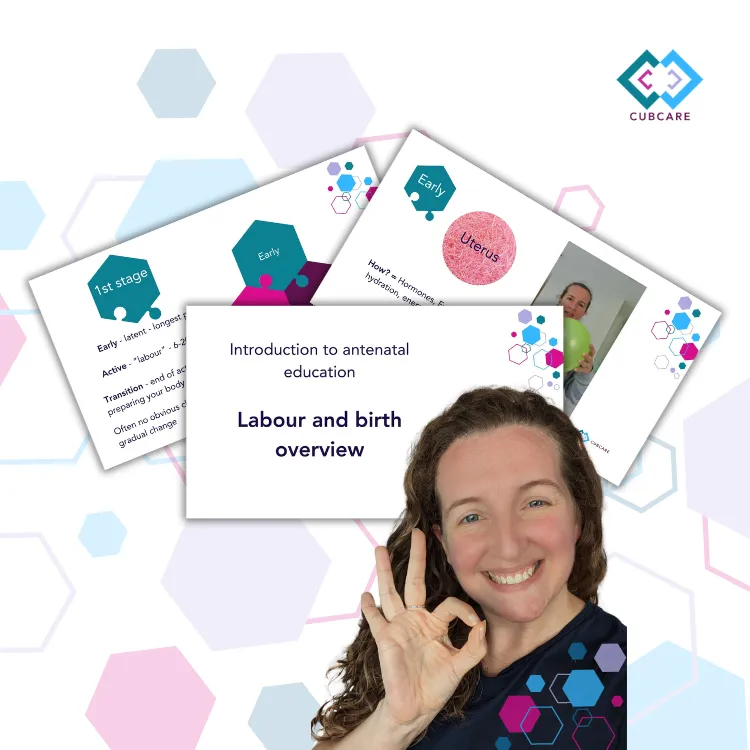
Labour and Birth
Watch our introduction to antenatal education webinar, our labour and birth overview - to start your antenatal education journey. Understanding the process, and what you can do to influence it.

Pregnancy Planner
Free Pregnancy Planner to help you prepare for a little one. Prepare your body, your mind, your finances and your home. Get organised, feel good and prepare for an active, positive birth.
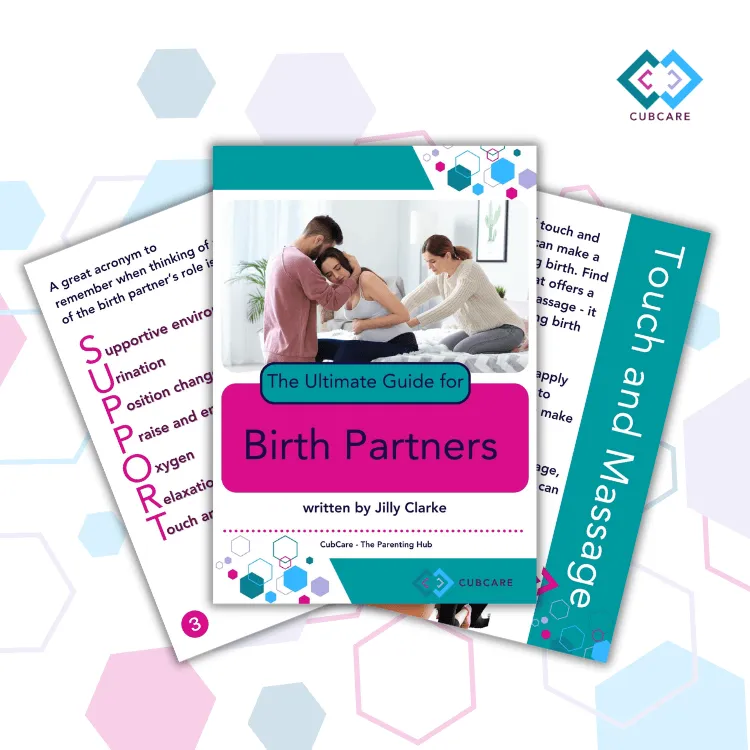
Birth Partner Guide
Your ultimate guide to being the best birth partner during pregnancy, birth and recovery. Learn what you need to do, and what you need to learn to be the best birth partner possible.
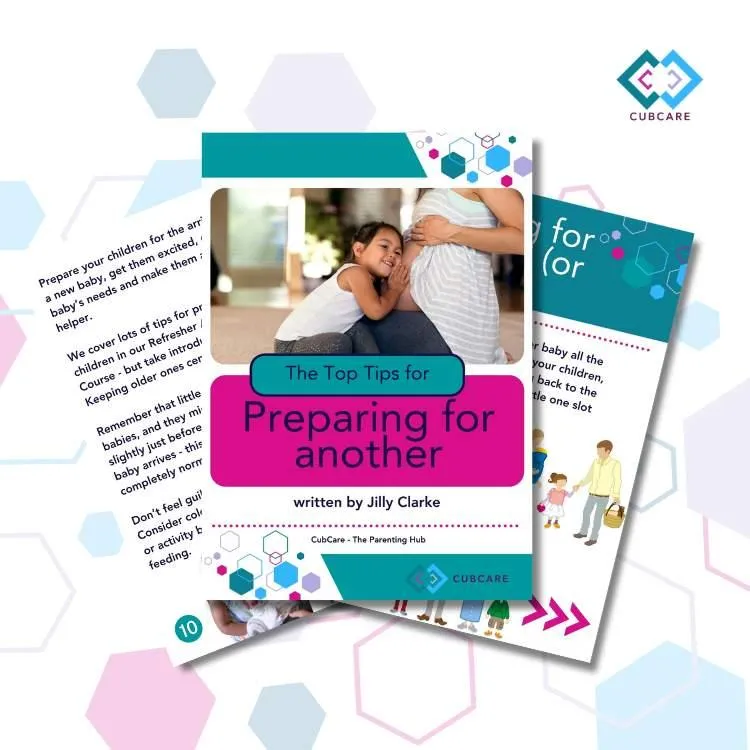
Expecting Again Guide
Your ultimate guide to preparing for another birth and an extra baby. Our top tips for navigating pregnancy and birth, and helping your older ones to transition into their new role as a big sibling.


Based in Welwyn Hatfield, offering local pregnancy support and doula services across Hertfordshire: St Albans, Hatfield, Welwyn Garden City, Potters Bar, Stevenage, Harpenden, Hitchin, Barnet, Mill Hill and surrounding areas.
Online antenatal and postnatal education available UK-wide.
© Copyright 2025 CubCare The Parenting Hub. CubCare is operated by The Birth and Baby Company Ltd. Company No. 15655287
Privacy Policy | Terms & Conditions | Medical Disclaimer | Inclusivity and Accessibility