
We're an award winning Antenatal and Postnatal Education Platform 2025!
(read more here)
CubCare blogs.
From early pregnancy to newborn development.
Advice to help through pregnancy, birth and childhood.
BLOG

What a Doula Actually Does: A Clear, Evidence-Informed Guide for UK Parents
"People usually come to me when they realise they don’t just want to get through birth — they want support they can rely on when things feel intense, uncertain, or out of their control" - Jilly Clarke, Doula, Antenatal Education Specialist and founder of CubCare
Most people don’t start pregnancy thinking they’ll hire a doula.
They start by assuming they’ll cope. That they’ll listen, take advice, be sensible, be resilient. That birth is something you just… get on with.
People usually start searching for a doula later — when pregnancy begins to feel more complex than they expected. When appointments feel rushed. When the number of decisions increases. When stories of induction, emergency caesarean, or difficult recoveries start landing closer to home.
Often the search isn’t “What is a doula?”
It’s “Who will actually support us through this?”
What does a doula do during pregnancy?
In pregnancy, a doula helps you slow things down.
Not in a vague, emotional way — but in ways that make decision-making and preparation feel more manageable.
This can include:
• sitting with you after appointments and talking through what was said, in plain language
• taking notes during appointments so you’re not relying on memory alone
• revisiting options over time, rather than being pushed into quick decisions
• talking through different birth scenarios so fewer things come as a shock
• supporting you emotionally when worries build quietly in the background
There’s also a physical element that often gets overlooked.
As pregnancy progresses, a doula can support:
• comfort and movement in late pregnancy
• practical positioning to reduce strain and discomfort
• awareness of how posture, rest, and movement affect how you feel day to day
• understanding baby’s position and how it may influence labour
This isn’t about chasing a “perfect” setup. It’s about helping your body feel more comfortable and supported as birth approaches.

What does a doula do during labour and birth?
During labour, a doula provides continuous, one-to-one support.
That means someone stays with you throughout labour, focused entirely on you — not on paperwork, rotas, or the next room.
In practice, this often looks like:
• helping you stay grounded as contractions intensify
• offering physical support, movement, or stillness depending on what you need
• noticing when you’re becoming overwhelmed and helping you re-orient
• helping slow conversations down when decisions are being discussed
• supporting your partner so they’re not carrying everything alone
This kind of support isn’t just “nice to have”. It’s associated with measurable differences in birth outcomes.
• have a spontaneous vaginal birth
• have a shorter labour
• avoid instrumental birth
• report a more positive birth experience
They were also less likely to have a caesarean birth, with no evidence of harm from continuous support.
The World Health Organization recommends continuous support during labour as part of respectful, high-quality maternity care, recognising its impact on both experience and outcomes.

What a doula does not do
A doula does not replace your midwife or obstetric team.
They don’t provide clinical care, make medical decisions, or override professional advice. They don’t speak for you — they support you to understand what’s happening and to speak for yourself.
In a busy NHS system, where continuity of carer isn’t always possible, a doula adds something different: consistency, trust and familiarity.
Someone whose role doesn’t change when the shift changes.
How doulas support partners — and why this matters more than people expect
Many people hesitate to book a doula because they feel they should be able to cope without extra support. Especially if their partner is kind, capable, and committed.
What often gets missed is how much pressure birth places on the non-birthing partner.
Partners are expected to:
• stay calm while watching someone they love in pain
• understand medical conversations they’ve never heard before
• make sense of decisions in high-pressure moments
• offer reassurance while managing their own fear
A doula helps carry that load.
This might look like:
• guiding partners on how to support practically and emotionally
• reassuring them when intensity increases and things still look normal
• helping them understand what’s happening so they don’t panic
• giving them permission to rest, eat, or step back without guilt
For many couples, doula support doesn’t replace the partner’s role — it protects it. It allows partners to be present, connected, and less overwhelmed, instead of feeling like everything depends on them getting it right.

Why people choose doula support in the UK
In the UK, more people are choosing doula support because they’re paying attention to what’s happening in maternity care.
Intervention rates have risen over time, including higher caesarean section rates. Many parents are also increasingly aware of birth trauma — either from personal experience or from people close to them.
For some, this is about:
• wanting to reduce the likelihood of unnecessary intervention
• feeling better supported if birth doesn’t go to plan
• wanting help navigating complex conversations in labour
• protecting their emotional wellbeing during and after birth
Choosing a doula is often about reclaiming some steadiness and support within a system that can feel fast-moving and overwhelming — not about rejecting medical care.
What a doula actually offers, when it matters most
When labour is intense, most people don’t need more information.
They need:
• someone who understands what’s happening
• someone who stays
• someone who helps them feel supported rather than rushed or lost
That’s what a doula offers when it matters most.
Not control. Not promises. Not a particular outcome.
Support that stays with you through uncertainty, intensity, and change.
Is doula support right for you?
You don’t need to know yet.
If you’re pregnant and wondering whether extra support would help you feel more informed, more grounded, or more supported — that question is enough to begin with.
You can get in touch to talk through what doula support might look like for your pregnancy, your partner, and the care setting you’re planning to give birth in.
Sometimes understanding what a doula actually does is what allows people to decide whether they want one.
Get in touch to talk about doula support for your birth.
→ Explore antenatal course for couples / the Birth Partner Course
Refresher Antenatal Course in person
Refresher Antenatal Course online
Birth Partner course (included in our Antenatal course)
Antenatal Course in person
Antenatal Course online

Easily navigate to our most popular Blog categories
Download our Freebies
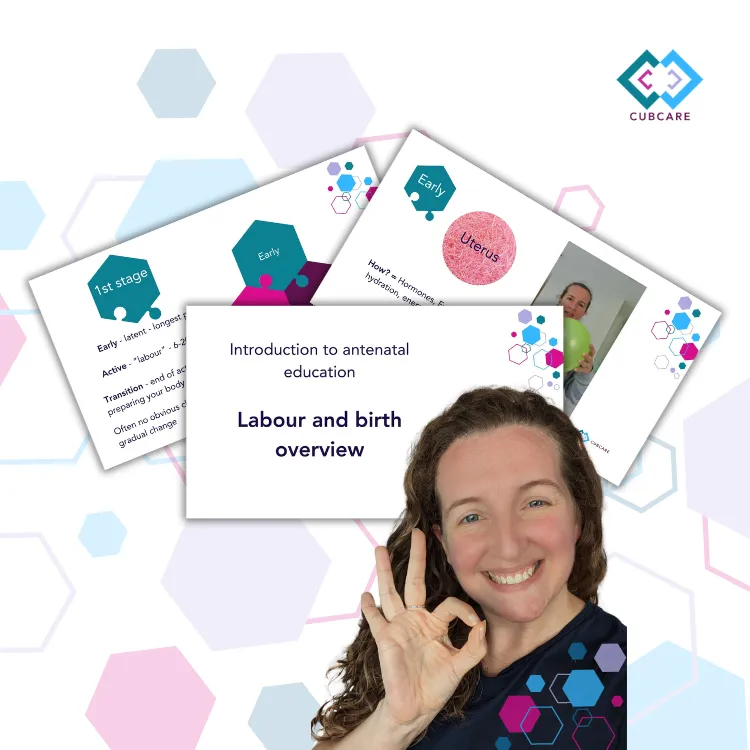
Labour and Birth
Watch our introduction to antenatal education webinar, our labour and birth overview - to start your antenatal education journey. Understanding the process, and what you can do to influence it.

Pregnancy Planner
Free Pregnancy Planner to help you prepare for a little one. Prepare your body, your mind, your finances and your home. Get organised, feel good and prepare for an active, positive birth.
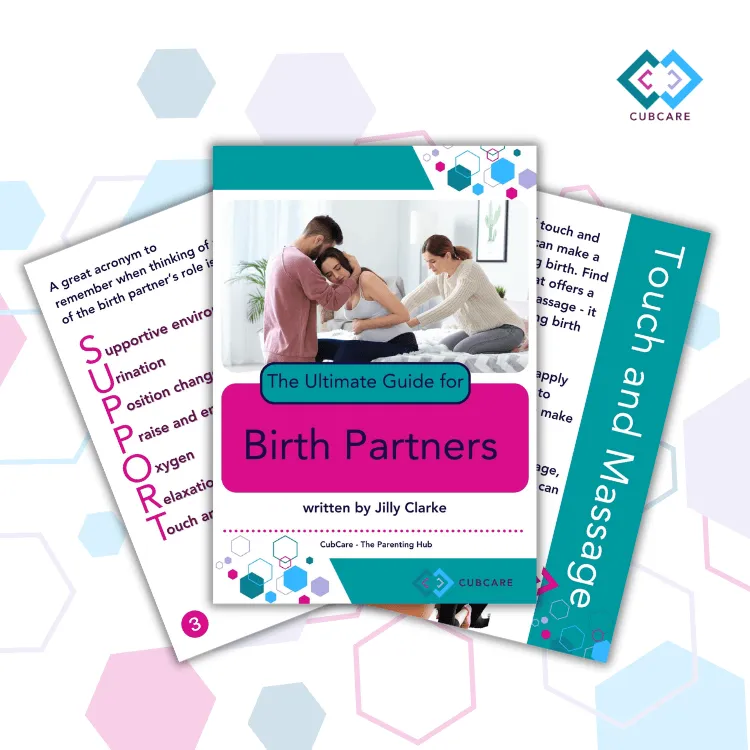
Birth Partner Guide
Your ultimate guide to being the best birth partner during pregnancy, birth and recovery. Learn what you need to do, and what you need to learn to be the best birth partner possible.
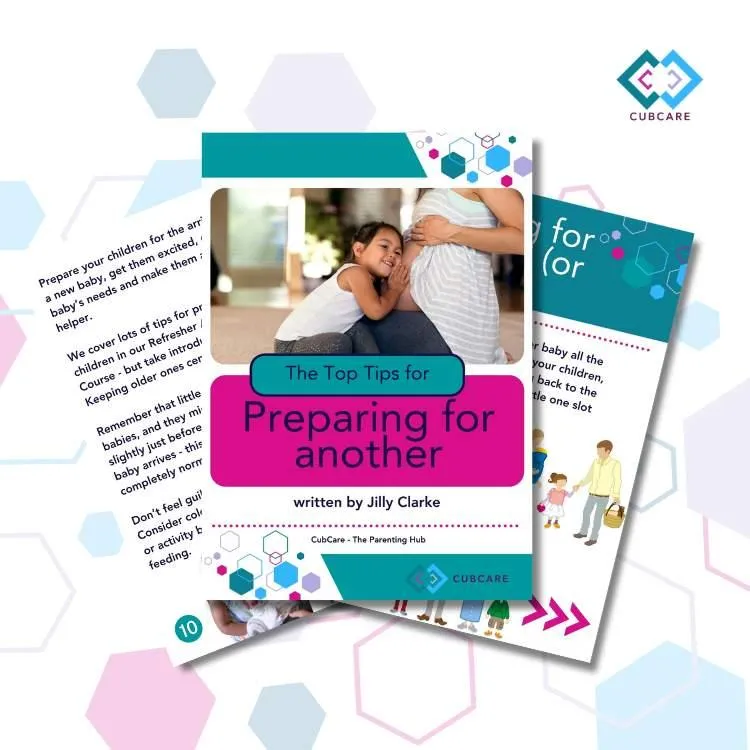
Expecting Again Guide
Your ultimate guide to preparing for another birth and an extra baby. Our top tips for navigating pregnancy and birth, and helping your older ones to transition into their new role as a big sibling.


Based in Welwyn Hatfield, offering local pregnancy support and doula services across Hertfordshire: St Albans, Hatfield, Welwyn Garden City, Potters Bar, Stevenage, Harpenden, Hitchin, Barnet, Mill Hill and surrounding areas.
Online antenatal and postnatal education available UK-wide.
© Copyright 2025 CubCare The Parenting Hub. CubCare is operated by The Birth and Baby Company Ltd. Company No. 15655287
Privacy Policy | Terms & Conditions | Medical Disclaimer | Inclusivity and Accessibility