
We're an award winning Antenatal and Postnatal Education Platform 2025!
(read more here)
CubCare blogs.
From early pregnancy to newborn development.
Advice to help through pregnancy, birth and childhood.
BLOG

POTS pregnancy and dizziness with hypermobility
"Once you recognise how much background work your body is doing to stay upright in pregnancy, dizziness stops feeling unpredictable and becomes something you can work with — instead of something you’re just trying to get through." - Jilly Clarke, Hypermobility Antenatal Specialist and founder of CubCare
You might not have called it POTS before pregnancy.
Maybe you hated standing still.
Maybe queues always felt harder than walking.
Maybe showers left you oddly wiped out.
Maybe you assumed you were just anxious, unfit, or sensitive to heat.
Then pregnancy begins.
You stand up from the sofa and your vision narrows.
You feel the blood drain from your face.
Your heart races in a way that doesn’t match the effort.
You grip the kitchen counter and wait for your body to stabilise.
Some days it’s manageable. Other days you plan your movements around where you can sit down next.
This isn’t the casual “a bit dizzy” people mention in early pregnancy.
This is your autonomic nervous system working at full stretch.
And pregnancy somehow stretches the stretch even further...

Why POTS symptoms often change or intensify in pregnancy
Pregnancy reshapes circulation.
Blood volume increases by around 40–50% by the third trimester. Your heart pumps more per minute. Blood vessels relax more easily. The uterus grows and begins to compress major veins in the abdomen and pelvis. Body temperature rises.
All of this is normal physiology.
Blood vessels relax in pregnancy to reduce resistance and allow increased blood flow to the uterus and placenta. That relaxation also accommodates the increased blood volume without pushing blood pressure dangerously high.
For most people, these adaptations are smooth.
If you live with hypermobility or dysautonomia, your system may already rely on constant small adjustments to keep blood moving effectively when upright. Connective tissue supports blood vessels as well as joints. In hypermobile bodies, vessels can be more elastic. When blood needs to be pushed upward against gravity, they don’t always tighten as efficiently.
Add pregnancy’s natural vessel relaxation and increased circulatory demand, and the amount of compensation required to stay steady rises.
Some people only recognise POTS patterns once pregnant. It isn’t that pregnancy invented the condition. It’s that pregnancy increased demand enough that the usual background compensation stopped being invisible.
Autonomic dysfunction — including dizziness, tachycardia and exercise intolerance — is highly prevalent in people with hypermobile Ehlers-Danlos syndrome and hypermobility spectrum disorders (Roma et al., 2021).
When pregnancy adds cardiovascular load, those regulation differences become harder to buffer.
A 2022 review of POTS and pregnancy found that while pregnancy is generally safe, symptoms such as tachycardia, dizziness and presyncope frequently fluctuate and benefit from proactive management rather than passive reassurance (Morgan et al., 2022).
What dizziness in pregnancy with POTS actually feels like
It isn’t just light-headedness.
It can feel like:
• vision dimming when you stand
• your heart thudding out of proportion to effort
• nausea arriving within seconds of being upright
• legs softening under you
• heat rising suddenly through your chest and neck
• feeling steadier walking than standing still
Standing in a queue can feel worse than moving through a supermarket.
A shower can leave your chest tight, your legs shaky and your energy gone for the next hour.
You can feel fine at 9am and unstable by 3pm, without doing anything dramatic.
That unpredictability is its own kind of fatigue.
Why standing with POTS becomes harder as pregnancy progresses
Standing requires coordination between vessels, muscles and heart rate.
Blood needs to travel upward from the legs and pelvis. Blood vessels need to tighten just enough. Calf and thigh muscles help push blood back toward the heart.
Pregnancy changes each part of that equation:
• Blood vessels relax more easily under hormonal influence.
• The growing uterus alters blood flow dynamics in the abdomen and pelvis.
• Hypermobility means ligaments allow more joint movement, so muscles are already working harder to stabilise.
• Fatigued muscles are less effective at assisting circulation.
• Heat sensitivity lowers vascular tone further.
So when you stand in pregnancy with POTS and hypermobility, you are balancing increased blood volume, reduced vessel tone, mechanical pressure and muscular fatigue all at once.
That’s not neutral physiology.
That’s high demand.

Why typical pregnancy advice about dizziness often falls short
You’ll likely hear:
• Drink more fluids
• Increase salt
• Avoid standing too long
Hydration expands circulating volume. Salt helps retain fluid. Compression can support venous return.
All of that matters.
But pregnancy changes how those tools work.
Fluid intake needs to be steady across the day. Salt adjustments must sit within obstetric guidance. Compression has to coexist with pelvic comfort and joint laxity.
And none of it replaces muscular stability or pacing.
If lower body strength is low, the muscle pump that helps return blood upward is weaker. If you repeatedly push past early warning signs, recovery windows lengthen. If pelvic pain or poor sleep are draining you, autonomic tolerance drops further.
Dizziness in hypermobile pregnancy isn’t just about hydration. It’s about how your entire system distributes effort.
Practical strategies for managing POTS in pregnancy with hypermobility
These aren’t dramatic fixes. They are pregnancy-specific adjustments that reduce cumulative strain.
Manage position changes deliberately
Going from lying flat to standing quickly gives your circulation very little time to adapt.
Rolling onto your side first.
Pausing in seated.
Gently flexing calves before standing.
Keeping something stable within reach.
That short transition gives your cardiovascular system space to recalibrate.
Strengthen the lower body in pregnancy-safe ways
Calf and thigh muscles play a major role in pushing blood back upward.
Pregnancy-safe strengthening for glutes, calves and thighs improves upright tolerance. In hypermobile bodies, this matters doubly: muscles are already doing more of the stabilising work because ligaments allow more movement.
Stronger muscles support joints and circulation at the same time.
Small, controlled, well-aligned movements are often better tolerated than unstable, high-range exercises.
Adjust for heat and metabolic demand in pregnancy
Pregnancy raises baseline metabolic rate and often increases warmth.
With dysautonomia, heat lowers tolerance further.
Practical adjustments might include:
• Sitting to shower
• Using lukewarm water
• Ventilating kitchens
• Avoiding peak heat hours
• Wearing breathable layers
Heat changes how blood vessels behave. In a system already struggling with tone, that matters.
Break upright time into shorter blocks
Standing still often costs more than gentle walking.
Alternating seated tasks, supported leaning, short slow movement and planned rest prevents large drops in tolerance later.
In pregnancy, joint laxity adds mechanical strain. Long static standing combines circulatory demand with pelvic instability — a draining combination.
Protect overall nervous system capacity
Sleep disruption, pelvic girdle pain, stress and under-fuelling lower autonomic resilience.
Regular meals prevent blood sugar dips that worsen dizziness. Steady hydration supports volume. Earlier rest prevents cumulative overload.
Breathing patterns that lengthen the exhale can gently support vagal tone, especially when heart rate feels disproportionate.
In pregnancy, regulation is layered. Circulation, joints, temperature and energy all interact.
You can read more in our Pregnancy with Hypermobility guide.

The emotional load of feeling faint
Dizziness changes how you move through the world.
You scan for exits as you enter a room, before you’ve even noticed who is in it.
You notice chairs before conversations.
You calculate whether standing is worth the energy cost.
You brace before showers, already aware of how your chest might tighten and your legs might soften under the water.
That vigilance takes energy.
If your symptoms have ever been dismissed, it becomes harder to trust yourself.
But dysautonomia in pregnancy follows physiological patterns. It responds to structured management. It deserves thoughtful support.
Why managing POTS in pregnancy matters for birth
Labour involves sustained effort, position changes, hormonal surges and cardiovascular demand.
Understanding how your body regulates now helps you prepare for birth in ways that reduce destabilisation:
• Proactive hydration
• Avoiding abrupt postural shifts
• Supported upright positions
• Realistic pacing
• Rest before collapse
Preparation doesn’t remove unpredictability.
It reduces avoidable strain.
Where support continues
If you are navigating hypermobility, POTS and pregnancy together, you are managing a complex physiological system every day.
You need context, structure and practical tools built for bodies that regulate differently.
That’s why the Pregnancy & Birth with Hypermobility Course includes dedicated guidance on autonomic regulation, strength, pacing, joint stability and birth preparation — grounded in physiology, not slogans.
Because staying steady in pregnancy isn’t about forcing your body to cooperate.
It’s about understanding how it works — and working with it.
→ Explore the Hypermobile Pregnancy and Birth Course
Refresher Antenatal Course in person
Refresher Antenatal Course online
Birth Partner course (included in our Antenatal course)
Antenatal Course in person
Antenatal Course online

Easily navigate to our most popular Blog categories
Download our Freebies
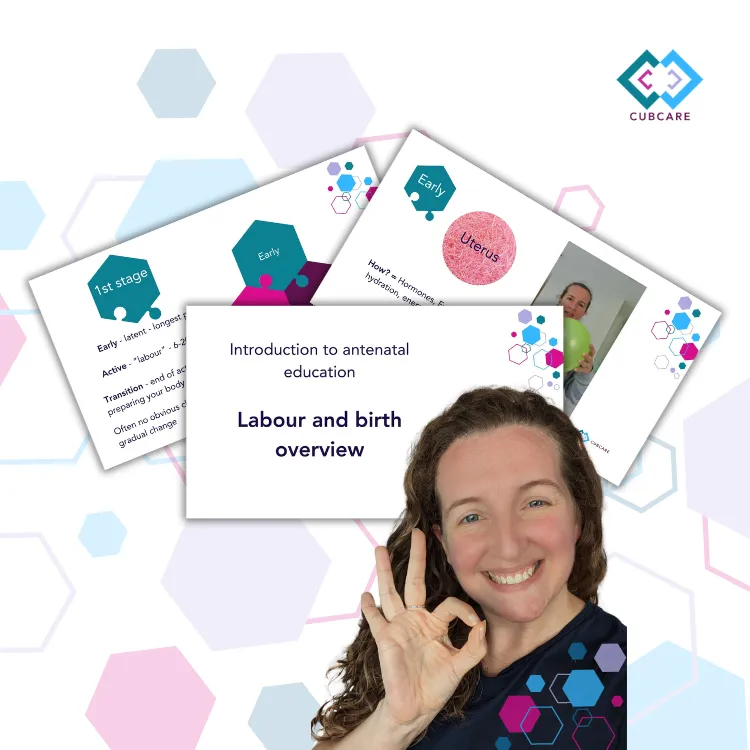
Labour and Birth
Watch our introduction to antenatal education webinar, our labour and birth overview - to start your antenatal education journey. Understanding the process, and what you can do to influence it.

Pregnancy Planner
Free Pregnancy Planner to help you prepare for a little one. Prepare your body, your mind, your finances and your home. Get organised, feel good and prepare for an active, positive birth.
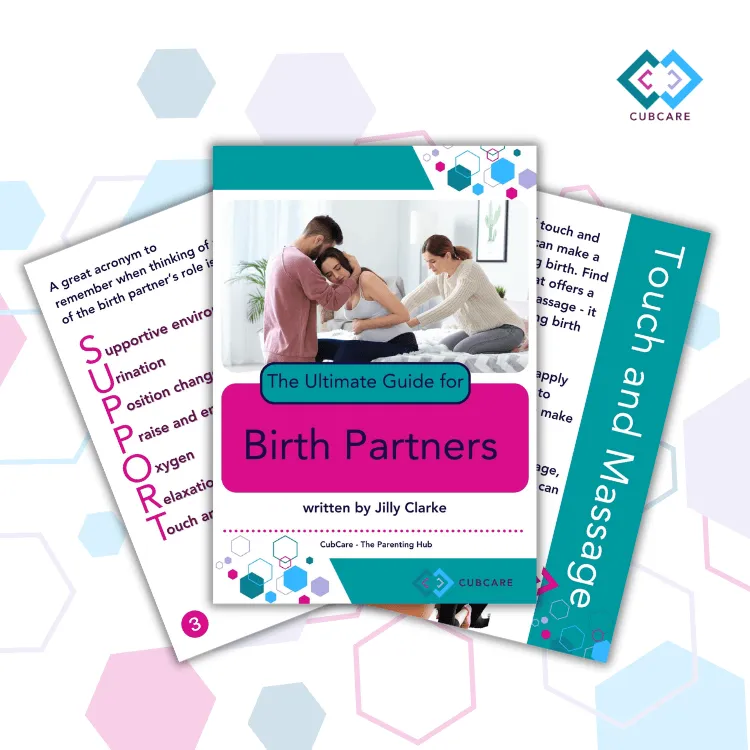
Birth Partner Guide
Your ultimate guide to being the best birth partner during pregnancy, birth and recovery. Learn what you need to do, and what you need to learn to be the best birth partner possible.
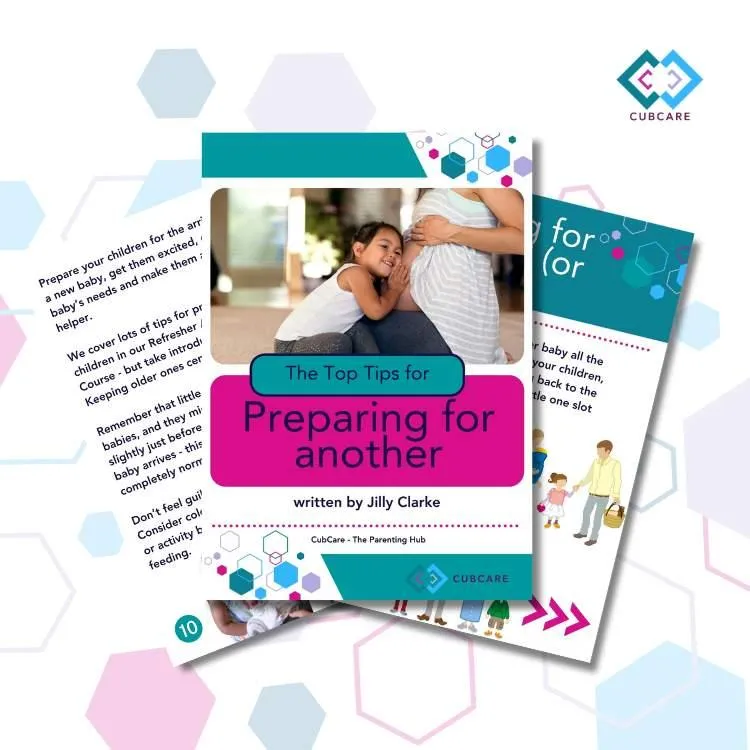
Expecting Again Guide
Your ultimate guide to preparing for another birth and an extra baby. Our top tips for navigating pregnancy and birth, and helping your older ones to transition into their new role as a big sibling.


Based in Welwyn Hatfield, offering local pregnancy support and doula services across Hertfordshire: St Albans, Hatfield, Welwyn Garden City, Potters Bar, Stevenage, Harpenden, Hitchin, Barnet, Mill Hill and surrounding areas.
Online antenatal and postnatal education available UK-wide.
© Copyright 2026 CubCare The Parenting Hub. CubCare is operated by The Birth and Baby Company Ltd. Company No. 15655287
Privacy Policy | Terms & Conditions | Medical Disclaimer | Inclusivity and Accessibility