
We're an award winning Antenatal and Postnatal Education Platform 2025!
(read more here)
CubCare blogs.
From early pregnancy to newborn development.
Advice to help through pregnancy, birth and childhood.
BLOG
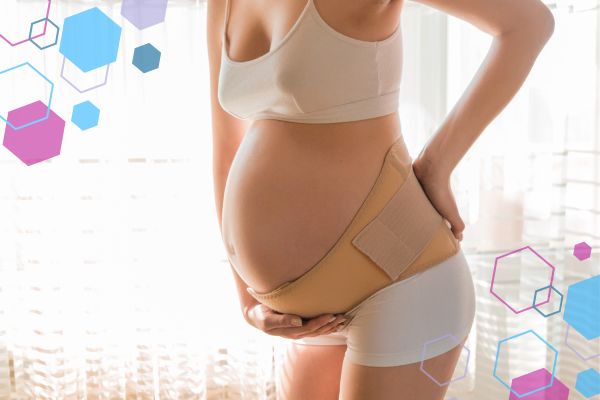
Pelvic girdle pain in pregnancy with hypermobility explained
"With hypermobility, pelvic pain in pregnancy is rarely a surprise. It’s the point where a long-running background strain finally tips into something you can’t ignore." - Jilly Clarke, Hypermobility Antenatal Specialist and founder of CubCare
If you’re pregnant and hypermobile, pelvic girdle pain rarely arrives out of nowhere.
More often, it’s been rumbling away for a while. A low-level ache that doesn’t quite fade with rest. A sense that your pelvis never fully settles. Walking takes more effort than it used to, but not enough to stop you getting on with things. You tell yourself it’s fine. That it’s just pregnancy.
Until one day it isn’t.
Turning in bed sends a sharp, electric pain through the sacroiliac joint. Walking triggers a shooting pain as weight transfers through your foot and the pelvis shifts to swing the other leg forward. Standing on one leg to pull on trousers or tie shoelaces feels risky. You start bracing without realising. Shortening your stride. Planning how to move before you move.
Pelvic girdle pain isn’t just painful.
It makes your body feel unreliable.
This blog is about why pelvic pain is more common — and often more disruptive — in hypermobile pregnancy, and what actually helps when your pelvis no longer feels like a safe place to stand.

What pelvic girdle pain really is in pregnancy
Pelvic girdle pain (PGP) refers to pain coming from the joints and supporting structures of the pelvic ring — mainly the pubic joint at the front and the two sacroiliac joints at the back.
During pregnancy, these joints are designed to allow small, controlled movement so the pelvis can adapt to load, positioning, and eventually birth. The pelvis itself doesn’t stretch. Instead, the joints are able to shift slightly as forces move through them.
In hypermobile bodies, those joints often have more movement available than intended.
Ligaments normally provide passive support — structures that aren’t supposed to move much. With hypermobility, they often do. That means the pelvis relies far more heavily on muscles to stay aligned and feel secure, especially as pregnancy changes posture, gait, and load.
When those muscles are fresh and well-supported, things can feel manageable. When they’re tired — which happens quickly if strength and coordination aren’t well established — pain and instability begin to show up.
This isn’t damage appearing out of nowhere.
It’s a system being asked to do more than it can comfortably sustain.
What pelvic girdle pain feels like in a hypermobile pregnancy
Pelvic pain in hypermobile pregnancy has a very particular feel — and it’s rarely just “sore”.
Many people describe:
• sharp or burning pain around the pubic bone when walking
• stabbing pain in one or both sacroiliac joints
• a sudden clunk, click or shift when stepping or turning
• difficulty standing on one leg (pulling on trousers, tying shoelaces, climbing stairs)
• shooting pain as weight transfers from one foot to the other
• a constant urge to “click something back into place” to feel stable again
What stands out isn’t just the pain itself — it’s the sense that something is out of alignment, that your pelvis isn’t reliably holding you.
And that constant micro-instability is exhausting. Not just physically, but mentally. You’re always anticipating the next movement, the next shift, the next jolt. Always scanning your body before you move.
Why hypermobility increases the risk of pelvic pain in pregnancy
Hypermobility doesn’t cause pelvic girdle pain on its own — but it changes the conditions in which pain develops.
In hypermobile bodies:
• ligaments tend to allow more movement than intended
• joints rely less on passive restraint and more on muscular control
• muscles have to switch on earlier and stay active for longer
• if muscles aren’t strong enough, they fatigue faster and do a poorer job of stabilising
As fatigue sets in, precision drops. Small shifts through the pelvis become harder to control. The body responds by gripping — not in a helpful, strengthening way, but in a protective, draining one.
That gripping spreads. Hips tighten. Lower back stiffens. Pelvic floor overworks. Thighs take on more load than they should. The body is trying to feel safe — but the effort of doing so often increases pain rather than easing it.
There is evidence that hypermobility increases the likelihood of pelvic girdle pain in pregnancy. A 2020 clinical review found that people with generalised joint hypermobility were significantly more likely to develop pregnancy-related pelvic girdle pain, with some studies suggesting around double the risk compared to non-hypermobile populations.
That doesn’t mean pelvic pain is inevitable. But it does mean there’s less room for unmanaged strain.

Why generic pelvic pain advice in pregnancy doesn't work for hypermobile bodies
If you’ve been given advice about pelvic pain in pregnancy, it’s often some version of:
“It’s common — it’ll go after birth.”
“Try to rest more.”
“Just be careful.”
That advice isn’t wrong — it’s just incomplete.
For hypermobile people, pelvic pain doesn’t reliably disappear once the baby arrives. And resting without addressing stability can leave muscles weaker, joints less supported, and confidence lower than before.
What’s missing is guidance that explains why certain movements hurt, how load moves through a hypermobile pelvis, and how strength and support can reduce pain rather than provoke it.
This gap is now being recognised. A 2024 scoping review and expert co-creation of clinical guidelines for pregnancy in hypermobile EDS and HSD highlights the need for individualised, person-centred care, particularly for musculoskeletal pain and joint instability, rather than generic reassurance.
What actually helps pelvic girdle pain in hypermobile pregnancy
Relief rarely comes from stretching more or pushing through.
What tends to help is reducing unnecessary joint movement and improving muscular support, so your system isn’t constantly operating at full capacity.
That often starts with noticing:
• which movements trigger pain later rather than immediately
• how your pelvis behaves when weight shifts from one foot to the other
• when you begin bracing without realising
Support can make a meaningful difference. Pelvic support belts worn low around the hips can limit excessive joint movement. Pillows that keep the pelvis level at night reduce strain when turning. Sitting sooner, leaning earlier, and avoiding wide or asymmetrical stances all lower the daily load.
Movement still matters — because muscle strength is vital in a hypermobile body.
Muscles are what take over when ligaments can’t reliably limit movement. Strong, well-coordinated muscles reduce how much joints shift under load and help the pelvis feel held together rather than constantly on the verge of slipping.
The key is how you move.
Hypermobile bodies usually respond best to:
• small, controlled movements
• strength-focused work rather than stretching
• slower transitions that allow muscles time to engage
• avoiding positions where joints are pushed to their most unstable end ranges
Pelvic health physiotherapy that understands hypermobility isn’t about correcting you — it’s about helping your muscles do a job they’re already trying to do, but with less strain.
You can read more in our Pregnancy with Hypermobility guide.

Living with pelvic pain takes a toll
Pelvic girdle pain doesn’t just change how you move.
It changes how you think about moving.
Sleep becomes fragmented. Confidence drops. You hesitate before simple tasks. You plan routes, chairs, and exits. It can feel isolating — especially when the pain is brushed off as “just part of pregnancy”.
If this is your experience, there is nothing wrong with you.
Your body is responding to load, looseness, and demand in the only way it can.
Why this matters for birth and recovery
The patterns you develop now — how you move, how you support your pelvis, how you manage instability — don’t disappear in labour or after birth.
Understanding how your pelvis behaves can make birth positioning feel less frightening and more intuitive. Supporting stability during pregnancy often makes early recovery gentler — not perfect, but more manageable.
Pelvic pain doesn’t define how your birth will go.
But being unsupported often makes everything harder.
Where support continues
If you recognise yourself in this — the background rumble, the tipping point, the constant negotiation with movement — you don’t need reassurance that everything is “normal”.
You need support that reflects how hypermobile bodies actually work.
That’s the thinking behind the Pregnancy & Birth with Hypermobility Course. Not as a promise to remove pain, but as ongoing guidance: understanding your mechanics, learning how to move with less strain, and preparing for birth in a body that has always needed a little more thought and care.
Because pelvic girdle pain in hypermobile pregnancy isn’t something to push through.
It’s something that deserves to be understood.
→ Explore the Hypermobile Pregnancy and Birth Course
Refresher Antenatal Course in person
Refresher Antenatal Course online
Birth Partner course (included in our Antenatal course)
Antenatal Course in person
Antenatal Course online

Easily navigate to our most popular Blog categories
Download our Freebies
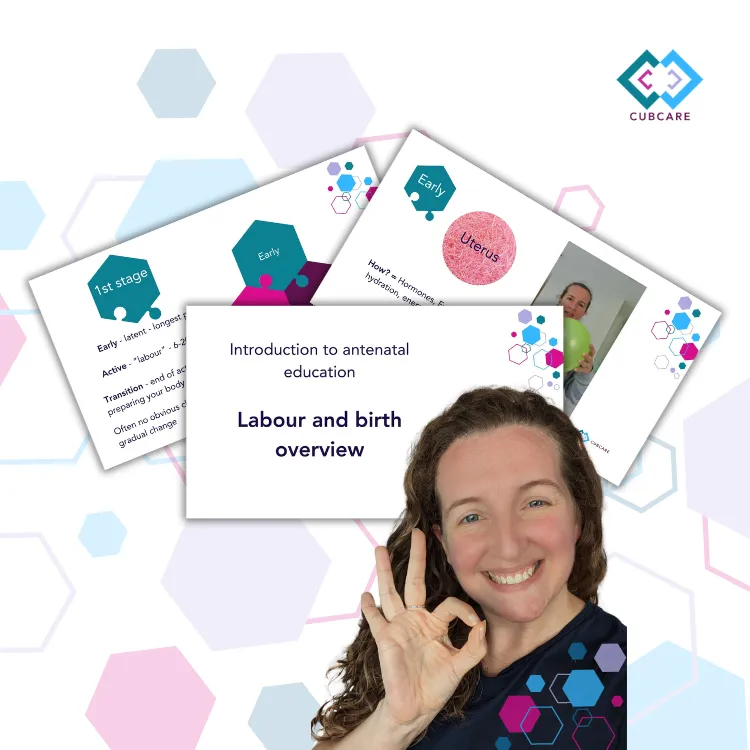
Labour and Birth
Watch our introduction to antenatal education webinar, our labour and birth overview - to start your antenatal education journey. Understanding the process, and what you can do to influence it.

Pregnancy Planner
Free Pregnancy Planner to help you prepare for a little one. Prepare your body, your mind, your finances and your home. Get organised, feel good and prepare for an active, positive birth.
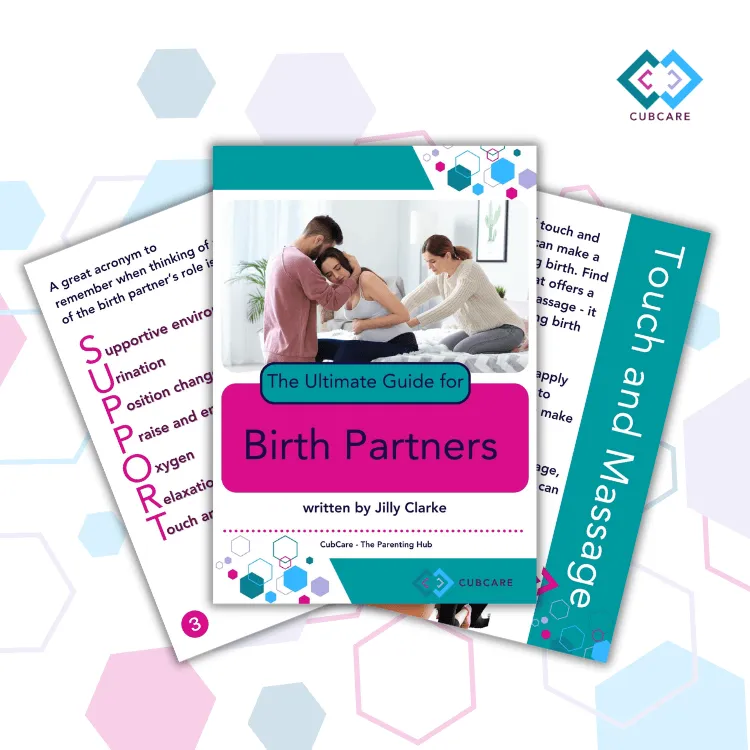
Birth Partner Guide
Your ultimate guide to being the best birth partner during pregnancy, birth and recovery. Learn what you need to do, and what you need to learn to be the best birth partner possible.
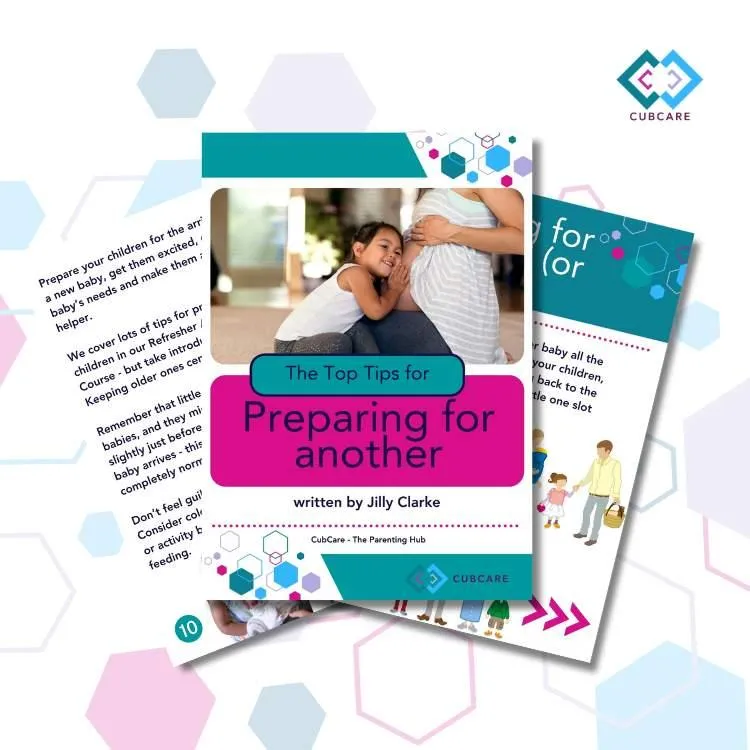
Expecting Again Guide
Your ultimate guide to preparing for another birth and an extra baby. Our top tips for navigating pregnancy and birth, and helping your older ones to transition into their new role as a big sibling.


Based in Welwyn Hatfield, offering local pregnancy support and doula services across Hertfordshire: St Albans, Hatfield, Welwyn Garden City, Potters Bar, Stevenage, Harpenden, Hitchin, Barnet, Mill Hill and surrounding areas.
Online antenatal and postnatal education available UK-wide.
© Copyright 2025 CubCare The Parenting Hub. CubCare is operated by The Birth and Baby Company Ltd. Company No. 15655287
Privacy Policy | Terms & Conditions | Medical Disclaimer | Inclusivity and Accessibility