
We're an award winning Antenatal and Postnatal Education Platform 2025!
(read more here)
CubCare blogs.
From early pregnancy to newborn development.
Advice to help through pregnancy, birth and childhood.
BLOG

Managing fatigue in pregnancy when you’re hypermobile (and always tired)
Managing fatigue in pregnancy when you’re hypermobile (and always tired)
"Once you understand how much of your energy is going into stabilising, regulating and compensating all at once, fatigue stops feeling like a personal failing and starts making practical sense." - Jilly Clarke, Hypermobility Antenatal Specialist and founder of CubCare
If you’re pregnant and hypermobile, fatigue rarely arrives as a dramatic “I feel like I’ve been hit by a bus” moment. It builds quietly, consistently – every day. Some days you do very little and feel completely spent. Other days you manage more than expected and feel fine – until later, when your joints start to feel unreliable, your concentration drops, and your body no longer feels steady in the way it did that morning.
That unpredictability is often the hardest part. Rest doesn’t reliably restore you. Activity doesn’t always explain the aftermath.
It’s not that you expected pregnancy to be easy. It’s that the tiredness you’re dealing with doesn’t follow obvious rules. Hypermobility spectrum disorder and hypermobile Ehlers-Danlos syndrome affect the whole system, all the time. But because so much of that work happens quietly — in muscles, circulation, and regulation — it’s easy for it to be overlooked. Including by you.
This blog is about naming what’s actually going on, and making sense of fatigue in a hypermobile pregnancy without minimising it or over-medicalising it.

Pregnancy fatigue with hypermobility: why energy drains differently
Hypermobility changes how your body uses energy.
When joints rely less on passive ligament support, muscles stay active for longer to keep you upright and stable. That work doesn’t switch off when you sit down, and it often doesn’t stop when you lie down either — especially if your joints don’t naturally settle into neutral positions.
Pregnancy increases that background workload. Your centre of gravity shifts forward. The pelvis becomes more mobile. Core muscles adapt around a growing uterus. Blood volume rises, and the cardiovascular system works harder to keep circulation effective against more mobile support structures.
All of this costs energy, before you’ve done anything that looks like effort.
This is why pregnancy fatigue with hypermobility often feels out of proportion. A day that looks quiet on the outside can still leave you wiped out, because so much energy has gone into stabilising, compensating and adjusting in the background.
Chronic illness, POTS and pregnancy tiredness: when regulation adds to fatigue
For many hypermobile people, fatigue is closely linked to autonomic regulation — particularly in conditions such as POTS.
Pregnancy places extra demands on circulation. Blood volume increases, but blood vessel tone doesn’t always adapt smoothly. Standing can lead to blood pooling in the legs as the system doesn’t have enough tone to pump effectively. Heat causes further expansion of these systems. Digestion diverts blood flow away from muscles and the brain. Changes in position challenge heart rate and blood pressure control.
These responses often overlap. Fatigue shows up alongside dizziness, nausea, heavy legs, brain fog, or a sudden drop in tolerance for being upright. Showers can be exhausting. Warm rooms can feel overwhelming. Standing conversations may take more out of you than walking does.
Clinical research supports this pattern: autonomic dysfunction — including fatigue, exercise intolerance and orthostatic symptoms — is highly prevalent in people with hypermobile Ehlers-Danlos syndrome and hypermobility spectrum disorders, and is strongly associated with reduced activity tolerance and deconditioning.
Once you recognise that fatigue is partly circulatory and regulatory — not just about sleep — it starts to make sense.
Why generic pregnancy advice doesn’t resolve hypermobile fatigue
Most pregnancy advice treats fatigue as something that improves with rest and time. That assumes the body can genuinely switch off when activity stops.
Hypermobility complicates that assumption.
Rest only restores energy if it reduces the amount of stabilisation and regulation your system has to do. If your joints remain unsupported, your muscles stay active. If you rest after pushing past your limits, recovery takes longer. If circulation and temperature aren’t addressed, fatigue lingers.
This is why advice like “just rest more” often feels ineffective.
This gap is increasingly recognised in pregnancy care for people with hEDS and HSD. A recent scoping review and expert co-creation of clinical guidelines highlights the multisystem demands of pregnancy in hypermobile bodies, and the need for individualised, person-centred support rather than generic recommendations.
Rest matters — but how your body rests matters just as much.

Pacing in pregnancy when you’re hypermobile
For many hypermobile people, pregnancy is when familiar patterns become harder to ignore. The difficult thing to recognise, is how quickly this can happen during pregnancy.
Standing still drains you faster than walking. Standing and preparing food costs more than eating it. You feel fine while you’re doing something, then pay for it later. By the time your legs feel shaky, or your head goes foggy, or the pain is too much to ignore any longer, your system has already been working harder than it can sustain.
Some days very little pushes things too far.
Other days you do more and feel surprisingly okay.
The difficulty is that the line isn’t always visible in advance.
Pacing grows out of noticing how effort accumulates and how recovery behaves. Over time, it becomes a way of avoiding the delayed fallout that otherwise arrives without much warning.
Practical ways to protect energy in pregnancy with hypermobility or hEDS
Small, practical changes often have the greatest impact.
Standing tasks tend to cost more energy than moving ones. Sitting earlier, leaning sooner, or lowering tasks to waist height reduces the stabilisation demand on hips, knees and spine. Rest works best when joints are properly supported — side-lying with pillows that prevent the pelvis and spine from drifting allows muscles to genuinely switch off.
External supports can make a noticeable difference. Pelvic support belts, compression garments (where appropriate), stools in the kitchen, or a seat in the shower all reduce the background work your body is doing. These aren’t signs of deterioration. They’re ways of lowering the daily energy cost.
Cognitive fatigue matters too. Slowed thinking, difficulty concentrating, or losing words are often early signs that your system is overloaded. Treating these as real fatigue signals helps prevent the physical crash that frequently follows.
This is usually the point where something shifts.
Once you understand how much of your energy is going into stabilising, regulating and compensating all at once, fatigue stops feeling like a personal failing and starts making practical sense.
From there, decisions about pacing, support and rest become clearer — not easier, but clearer.
You can read more in our Pregnancy with Hypermobility guide.

Fatigue, hypermobility and pregnancy guilt
Fatigue in pregnancy often comes with a quiet layer of guilt. The sense that you should be coping better. That others seem to manage without needing so much rest or support.
But fatigue in a hypermobile pregnancy isn’t a personal shortcoming. It’s the result of a body managing stability, circulation, growth, and adaptation all at once.
Needing more support doesn’t mean you’re doing pregnancy badly. It usually means you’re paying attention.
Why managing hypermobile pregnancy fatigue now matters for birth and recovery
The way you manage energy in pregnancy shapes how your body copes with labour and how it recovers afterwards.
Learning to rest before collapse, to use support without hesitation, and to pace effort translates directly into birth preparation. Labour involves sustained work, frequent position changes, and intense sensory input — all things hypermobile bodies handle better when energy hasn’t already been depleted.
Recovery follows the same principles. Bodies that have practised awareness, support, and gradual load tend to find their way back to stability more smoothly.
Fatigue management isn’t separate from preparing for birth.
It underpins it.
Living with pregnancy fatigue instead of being caught by it
Fatigue in hypermobile pregnancy isn’t something to overcome. It’s information about how your body is coping with extraordinary demand.
Once you stop comparing your experience to bodies that work differently, and start responding to your own patterns, things shift. Not perfectly. Not overnight. But enough to make pregnancy feel more manageable.
You don’t need to be less tired to be doing this well.
You need understanding, support, and permission to work with the body you have.
And that’s exactly what the Pregnancy & Birth with Hypermobility Course is designed to offer — practical, evidence-informed guidance for energy, movement, and recovery in bodies that don’t follow the textbook.
→ Explore the Hypermobile Pregnancy and Birth Course
Refresher Antenatal Course in person
Refresher Antenatal Course online
Birth Partner course (included in our Antenatal course)
Antenatal Course in person
Antenatal Course online

Easily navigate to our most popular Blog categories
Download our Freebies
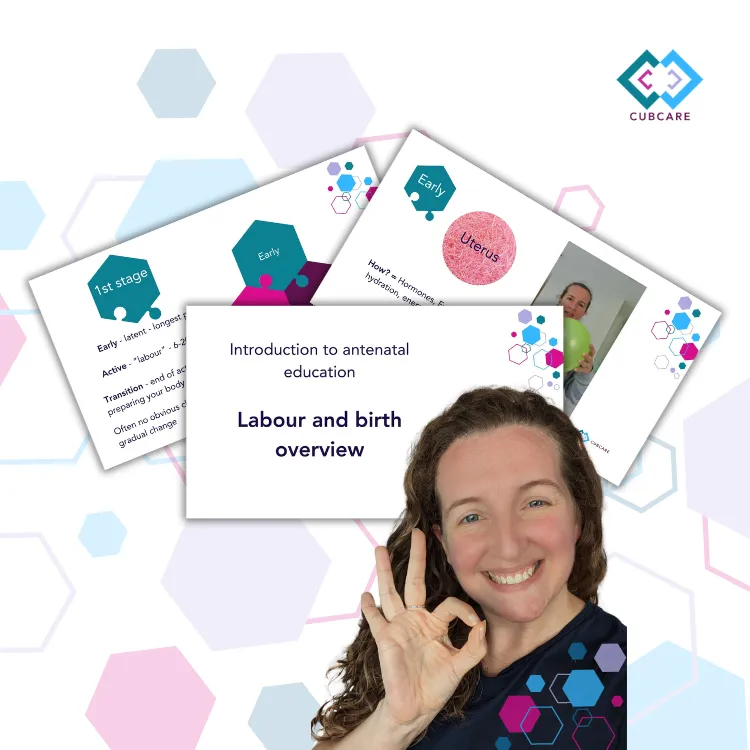
Labour and Birth
Watch our introduction to antenatal education webinar, our labour and birth overview - to start your antenatal education journey. Understanding the process, and what you can do to influence it.

Pregnancy Planner
Free Pregnancy Planner to help you prepare for a little one. Prepare your body, your mind, your finances and your home. Get organised, feel good and prepare for an active, positive birth.
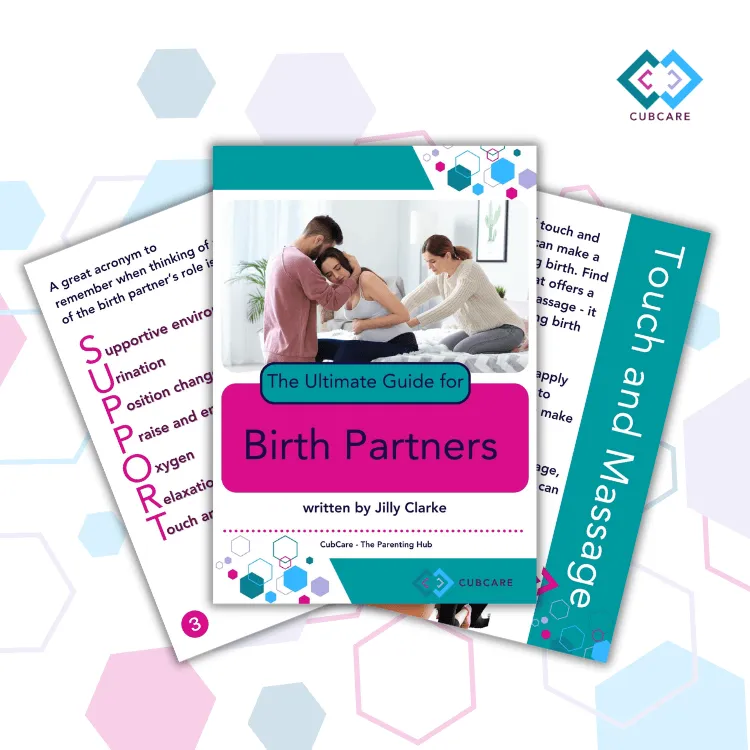
Birth Partner Guide
Your ultimate guide to being the best birth partner during pregnancy, birth and recovery. Learn what you need to do, and what you need to learn to be the best birth partner possible.
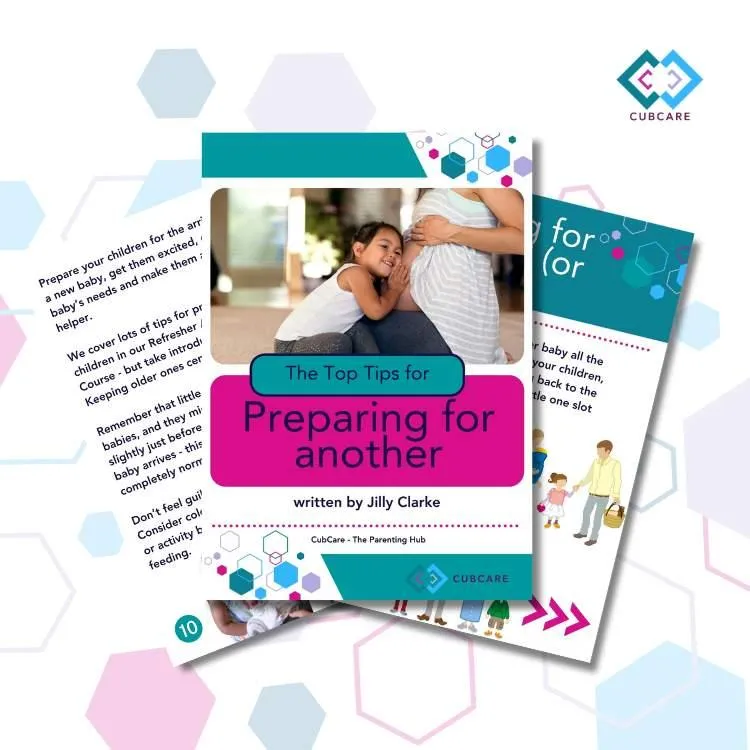
Expecting Again Guide
Your ultimate guide to preparing for another birth and an extra baby. Our top tips for navigating pregnancy and birth, and helping your older ones to transition into their new role as a big sibling.


Based in Welwyn Hatfield, offering local pregnancy support and doula services across Hertfordshire: St Albans, Hatfield, Welwyn Garden City, Potters Bar, Stevenage, Harpenden, Hitchin, Barnet, Mill Hill and surrounding areas.
Online antenatal and postnatal education available UK-wide.
© Copyright 2026 CubCare The Parenting Hub. CubCare is operated by The Birth and Baby Company Ltd. Company No. 15655287
Privacy Policy | Terms & Conditions | Medical Disclaimer | Inclusivity and Accessibility