
We're an award winning Antenatal and Postnatal Education Platform 2025!
(read more here)
CubCare blogs.
From early pregnancy to newborn development.
Advice to help through pregnancy, birth and childhood.
BLOG
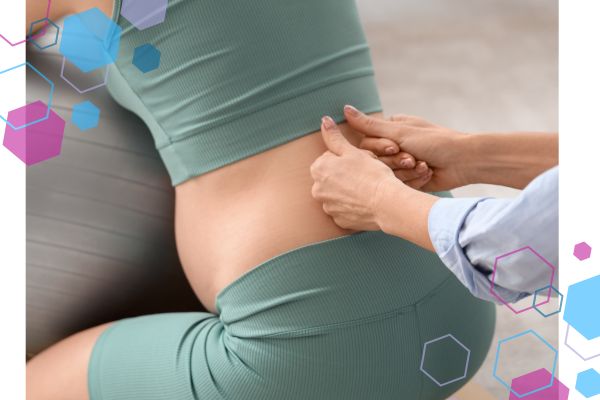
Birth preparation for hypermobility: what you need to know
"When you understand your patterns — what happens when you fatigue, how your joints respond to load and fatigue, how your nervous system handles pressure — you take control. Birth gets to stop feeling like something to endure and begins to feel like something you can move through with confidence." - Jilly Clarke, Hypermobility Antenatal Specialist and founder of CubCare
How to prepare for birth when you have hypermobility or chronic illness
Birth is often described as unpredictable, but if you live with hypermobility, unpredictability isn’t the problem. You already know what your body does under pressure — the way your hips shift when you’re tired, the way your knees stop holding without warning, the way heat or effort pushes you into dizziness or overwhelm. Pregnancy doesn’t erase those patterns. It amplifies them. And in labour, they shape how you move, how long you can stay in one position and how your body copes with effort.
That isn’t a warning that birth will be terrible - because chances are, it won't be.
It’s a roadmap for how to prepare yourself.
Once you understand how your hypermobile body responds to load, fatigue and intensity, birth becomes far easier to work with. Not because the sensations change, but because they finally make sense. And when something makes sense, you can prepare for it.
This guide takes you through exactly that:
how to prepare for birth in a body that bends differently, stabilises differently and tires differently — so you can move through labour with confidence instead of confusion.

Why birth preparation matters more with hypermobility
Hypermobile bodies rely more on muscular support than ligament support. That’s true on ordinary days, and it becomes even more relevant in labour when the pelvis, spine and hips have to move repeatedly under load. Research in adults with hEDS and HSD shows altered muscle activation patterns, reduced proprioception and slower stabilisation responses under load (read one study here, Palmer et al., 2022; Brittain et al., 2024). These findings help explain why positions, pacing and environment matter more for you than generic pregnancy guides admit.
If you also live with fatigue, dizziness, heat intolerance or other autonomic quirks, you already understand how sensitive your capacity can be. Labour does not erase these patterns. It amplifies them. That doesn’t mean birth will be difficult; it simply means preparation needs to include:
• how your body tolerates load
• how quickly you fatigue
• how your joints compensate
• how your sensory system reacts under pressure
When those patterns are built into your birth plan from the beginning, labour becomes less about endurance and more about staying available for each moment.
What birth feels like in a hypermobile body
Birth sensations tend to ripple through the body, building in intensity until it hits a peak, and then dissipates again. Hypermobile bodies often feel that ripple differently. You might notice contractions spreading into your ribs or back because your pelvis disperses load unevenly. You might find that the aches, or sensations don’t entirely fade, because your muscles have tensed from holding you together. Or, you might find transitions harder than contractions themselves — the moment you shift from standing to kneeling, or from hands-and-knees to the bed, or simply reposition one leg. Your joints may feel fine in one position and unsteady the moment the angle changes.
Some people report that the building and fading nature of contractions to be positive and productive. Intense, yes, but there’s a certain start and stop point from them. This is completely different from your usual constant discomfort, and that knowledge can be comforting – it doesn’t last indefinitely!
Fatigue also plays a more central role. Not the dramatic, collapsing kind — the quiet, creeping kind that shows up as:
• a subtle shake in the knees
• a sudden need to grip something
• a breath that rises higher in your chest
• a reluctance to move even when you know repositioning would help
• a sense that your joints are “drifting” rather than staying stacked
Heat and sensory overload can also arrive quickly. A room that felt manageable an hour ago may suddenly feel too warm, too bright or too noisy; your autonomic system doesn’t negotiate — it responds.
But when you understand it, you can plan for it and learn tools to ease your experience.
How to prepare your body during pregnancy, before labour starts
Preparation for birth with hEDS or HSD is about leaning into an even deeper understanding about how your body works. It’s about getting familiar with how your body behaves under small amounts of load, and finding tools to help with those sensations, so you can anticipate how it will behave under larger amounts and find tools to help when those sensations are at their peak.
1. Understand your alignment patterns
The way you hold yourself on an everyday evening tells you a huge amount about how your pelvis will behave in labour. When your body is depleted after stabalising yourself all day – that’s when the patterns can be seen.
Watch these patterns in small windows of your day:
• Does one hip take more weight when you stand?
• Do your knees drift inward or outward when you get tired?
• Do your ribs flare when your pelvis tilts?
• Does your lower back grip quickly when you’re upright?
• Do you brace your core, or your glutes without meaning to?
None of this is “bad”.
These patterns simply reveal how your body redistributes load — and those same patterns will influence which labour positions feel stabilising and which feel draining.
2. Build pacing into your plan
People with hypermobility often burn energy stabilising themselves before they burn energy labouring. Add fatigue or autonomic sensitivity, and pacing becomes a genuine physiological tool, not a mindset technique.
In labour, pacing might look like:
• Using supported leaning positions early so your pelvis stays free without your legs doing all the work
• Switching between hands-and-knees and side-lying to avoid overloading one movement pattern
• Resting sooner than expected to keep your body responsive rather than depleted
• Keeping on top of hydration and nutrition
You’re keeping energy available for the stages that require sustainable effort, not maximal effort.
3. Choose labour positions that work with your hypermobile joints
Your joints don’t need challenge, especially not during birth; they need feedback and equality of load. Positions that offer support beneath you and freedom above you often work best.
Many hypermobile people find that:
• side-lying offers both stability and pelvic space
• hands-and-knees feels freeing when supported with cushions
• semi-upright sitting works well when the thighs are supported
• forward-leaning positions reduce back pressure
• grounded kneeling feels steady when there’s something solid to lean into
By contrast, positions that stretch one side more than the other — deep lunges, unsupported squats, wide-knee kneeling — may feel fine for a while but become costly as labour progresses, simply because your pelvis is doing more work without enough feedback.
Again, this is not about limiting yourself.
It’s about choosing positions that your body can sustain across hours, not minutes.
4. Prepare your sensory environment
If you are sensitive to temperature, light or noise, your environment becomes part of your birth support. Birth rooms are full of variables that can either help your nervous system stay steady or tip it into overwhelm.
Birth works best when you are calm, feeling unwatched and relaxed. Luckly for you, so does your sensory overwhelm. Prepare for an environment that includes:
• dimmed light
• stable, predictable sound
• a fan or cool cloth if you run hot
• slow positional changes
• electrolyte drinks for autonomic steadiness
• one or two key people whose presence grounds you
Small adjustments in environment often create large shifts in how stable, comfortable or spacious your body feels.
And the Pregnancy & Birth with Hypermobility Course gives you evidence-based tools and guided movement you can start immediately — designed for the way hypermobile bodies actually work.
Your birth partner: your stability, pacing and protection
Birth partners often imagine their role is emotional encouragement or practical help, but when you live with hypermobility or chronic illness, their role becomes deeper and more physical. They become part of the support system that helps your body stay organised while contractions take most of your attention.
A good birth partner learns your patterns long before labour begins. They know which hip collapses when you’re tired, how your breath changes when you’re reaching your limit, and how your knees soften when you’re bracing without realising it. In labour, they watch for these cues so you don’t have to.
They anchor you during contractions so you can lean into them without fear of slipping or overstretching. They adjust pillows or cushions before your joints drift into positions that will cost you later. They slow your movements so your nervous system has time to keep up. They cool the room when your body overheats. And perhaps most importantly, they help you pace — reminding you to rest before you think you need to.
This isn’t “support” in the soft, superficial sense.
This is mechanical support, emotional steadiness, environmental care, and alignment protection — all woven into the rhythm of labour.
Birth partners are the most important part of your birth preparation - and we've got a whole Blog category dedicated to them.
If they want to delve even further into their support role, our Birth Partner Course will be exactly the support they need, to be the best support for you.
Why recovery planning starts before labour
Your postpartum body starts from the patterns you entered labour with and the positions you used along the way. Hypermobile joints often take longer to feel stable again, not because recovery is problematic, but because tissues that were already doing extra stabilising work now have a bigger job as they adapt to feeding, holding and moving with a newborn.
Evidence from non-pregnant hEDS/HSD populations shows that stability-focused strengthening and proprioceptive training improve function, balance and joint confidence (Combined Effects of Strengthening and Proprioceptive Training on Stability, Balance, and Proprioception Among Subjects with Chronic Ankle Instability in Different Age Groups: Evaluation of Clinical Outcome Measures - PMC). This gives us a clear principle: hypermobile bodies do best when recovery builds slowly, progressively, and with awareness.
The preparation you do now — noticing your alignment, protecting fatigue, choosing supportive positions, understanding sensory triggers — becomes the scaffolding your recovery depends on. Birth may be intense, but recovery is where the long-term comfort lies, and the more informed your preparation, the steadier that journey becomes.
Why recovery planning starts before labour
tells you, clearly and consistently, what it needs under pressure, heat, fatigue and effort. When you understand those cues, birth stops feeling like something to endure and becomes something you can meet with confidence.
Preparation doesn’t create control.
It creates coherence — between your body, your instincts, your partner and the environment around you.
When those pieces line up, a hypermobile birth isn’t something you “manage.”
It’s something you work with.
If you want preparation that matches your physiology — not generic pregnancy advice — the Pregnancy & Birth with Hypermobility Course walks you through every step.
→ Explore the Hypermobile Pregnancy and Birth Course
Refresher Antenatal Course in person
Refresher Antenatal Course online
Birth Partner course (included in our Antenatal course)
Antenatal Course in person
Antenatal Course online

Easily navigate to our most popular Blog categories
Download our Freebies
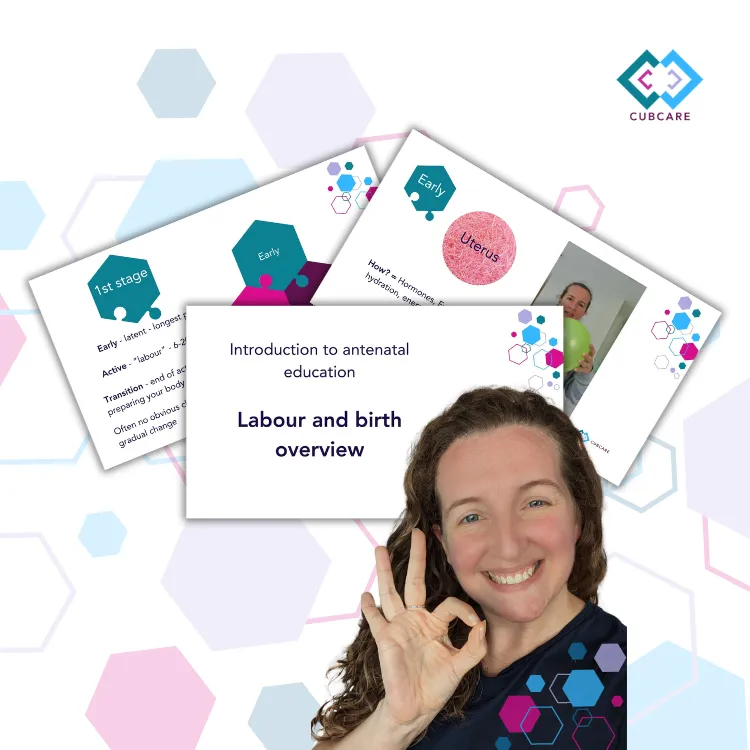
Labour and Birth
Watch our introduction to antenatal education webinar, our labour and birth overview - to start your antenatal education journey. Understanding the process, and what you can do to influence it.

Pregnancy Planner
Free Pregnancy Planner to help you prepare for a little one. Prepare your body, your mind, your finances and your home. Get organised, feel good and prepare for an active, positive birth.
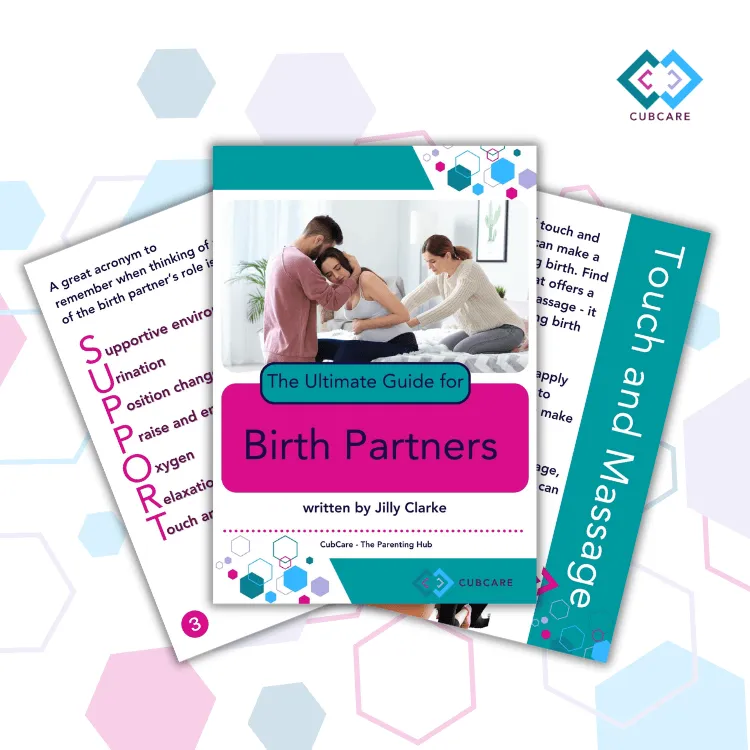
Birth Partner Guide
Your ultimate guide to being the best birth partner during pregnancy, birth and recovery. Learn what you need to do, and what you need to learn to be the best birth partner possible.
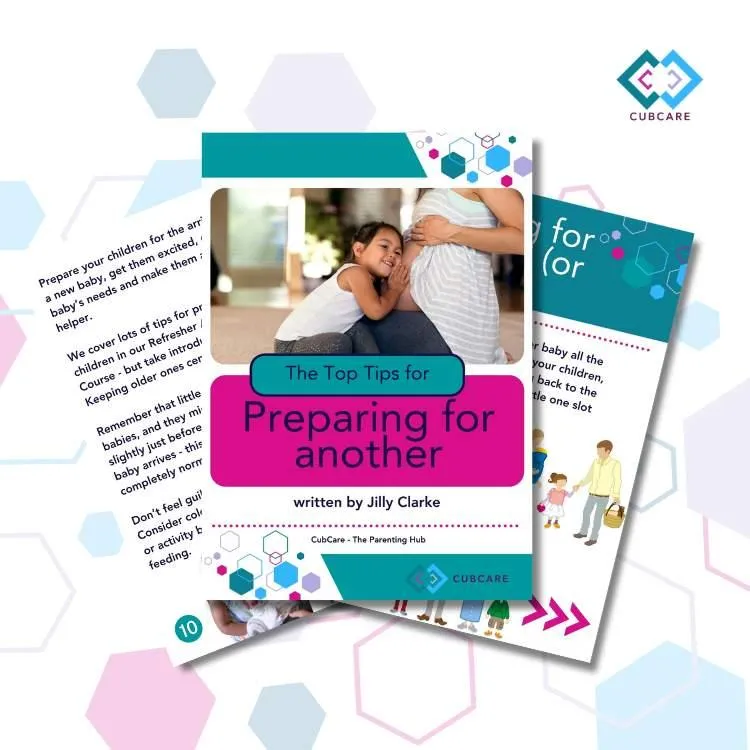
Expecting Again Guide
Your ultimate guide to preparing for another birth and an extra baby. Our top tips for navigating pregnancy and birth, and helping your older ones to transition into their new role as a big sibling.


Based in Welwyn Hatfield, offering local pregnancy support and doula services across Hertfordshire: St Albans, Hatfield, Welwyn Garden City, Potters Bar, Stevenage, Harpenden, Hitchin, Barnet, Mill Hill and surrounding areas.
Online antenatal and postnatal education available UK-wide.
© Copyright 2025 CubCare The Parenting Hub. CubCare is operated by The Birth and Baby Company Ltd. Company No. 15655287
Privacy Policy | Terms & Conditions | Medical Disclaimer | Inclusivity and Accessibility