
We're an award winning Antenatal and Postnatal Education Platform 2025!
(read more here)
CubCare blogs.
From early pregnancy to newborn development.
Advice to help through pregnancy, birth and childhood.
BLOG

How Doulas Work with Midwives and Consultants in UK Maternity Care
"A doula isn’t there to fight the maternity system. They’re there to help you navigate pregnancy, birth, and the system — with people you trust beside you when things are moving quickly." - Jilly Clarke, Doula, Antenatal Education Specialist and founder of CubCare
Most people don’t look for a doula because they distrust midwives or doctors.
They look because they’re starting to realise how much birth depends on who is in the room — and how little control they have over that once labour begins.
They realise they want familiar faces. People they’ve met before. People they’ve spoken to in calm moments, not just during contractions. People who know them, not just their notes.
That’s not a rejection of NHS care. It’s a very human response to how maternity care is actually delivered.
How UK maternity care works — and where the gaps appear
In the UK, most maternity care is provided by midwives, with obstetric consultants becoming involved when pregnancy or labour is more complex.
Midwives are skilled, highly trained, and often deeply compassionate. Many build rapport quickly. Some provide continuity across pregnancy. Some don’t — not because they don’t want to, but because rotas, staffing pressures, and workload make it difficult.
Continuity of carer models do exist in some areas, and when they work well, they can be transformative. But even within these models, care is often shared across a small team. The person you built trust with antenatally may not be the person who walks into the room during labour at 3am.
For many people, that uncertainty matters more than they expected.

Why people want a doula alongside NHS care
Most people search for a doula when they realise something quietly unsettling:
They don’t know who will be with them when labour intensifies.
They don’t know how much time anyone will have.
They don’t know whether they’ll feel able to ask questions when it matters.
What they do know is that trust takes time — and labour isn’t the moment to build it from scratch.
A doula offers continuity across pregnancy, labour, and birth. Someone you’ve met before. Talked to. Built a relationship with. Someone whose presence doesn’t depend on shift patterns or staffing levels.
That continuity doesn’t replace NHS care — it runs alongside it.

What it looks like when a midwife is in the birth room
When a midwife enters the room, they’re carrying clinical responsibility.
They’re assessing progress. Listening to your baby. Noticing changes. Thinking several steps ahead. Sometimes they have time to stay. Sometimes they don’t — because another room needs them.
For the birthing person, this can feel grounding and disorienting at the same time.
A doula doesn’t compete with the midwife’s role. They support how that care is experienced.
While the midwife focuses clinically, the doula stays focused on you — your breathing, your tension, your understanding of what’s being said, the emotional temperature of the room.
When the midwife leaves, the doula stays.
That constancy matters more than most people realise until they’re in it.
What it looks like when a consultant is in the labour room
When a consultant enters, the energy in the room often shifts.
Language becomes more technical. Decisions feel heavier. Time can feel compressed.
Consultants are there because something needs attention — not because anything has gone wrong, but because complexity has increased.
For someone in labour, that moment can feel overwhelming.
A doula’s role here is not to interpret medicine or challenge expertise. It’s to help the conversation land.
That might look like quietly helping you understand what’s being suggested. Helping you slow the moment down enough to ask a question. Helping you stay connected to yourself so you’re not pulled entirely into fear or urgency.
The consultant brings medical knowledge.
The doula helps you stay present while it’s shared.

Why doulas don’t replace midwives or consultants
Midwives and consultants provide clinical care.
Doulas provide relational continuity.
These are not interchangeable roles.
Midwives monitor, assess, recommend, and intervene when needed. Consultants bring specialist expertise when risk or complexity increases.
A doula supports the human experience of receiving that care — how it feels, how it’s understood, and how decisions are lived with afterwards.
This is why doulas can work well within NHS maternity care rather than against it. They support the person at the centre of the system, not the system itself.
How doula support changes the dynamic in the room
When someone feels supported and oriented, the whole room often feels different.
Conversations are calmer. Questions are clearer. Fear is less likely to escalate.
This isn’t about making someone “easier to care for” — it’s about reducing unnecessary distress so care can happen more smoothly.
There’s strong evidence that continuous, one-to-one support during labour is associated with:
• lower caesarean rates
• reduced need for instrumental birth
• shorter labours
• more positive birth experiences
This comes from large-scale analysis, including the Cochrane review on continuous support during childbirth.
The World Health Organization recognises continuous support as a core component of respectful, high-quality maternity care.
This isn’t about opposition. It’s about creating conditions where everyone — birthing person, partner, and clinicians — can do their best work.
Trust, continuity, and why this matters in real life births
Trust isn’t built in the middle of a contraction.
It’s built over conversations. Over time. Over being heard when nothing urgent is happening.
A doula brings that trust into the birth room — not as authority, but as familiarity. As someone who knows how you think when you’re calm, and can help protect that steadiness when you’re not.
For many people, that’s the difference between feeling carried along by maternity care and feeling supported within it.
What this means for you, locally
If you’re pregnant in Hertfordshire or North London, you’re likely receiving care through an NHS maternity unit where midwives and consultants rotate through shifts, teams, and on-call patterns.
That means the person you build rapport with antenatally may not be the person who’s with you in labour. And during long labours, inductions, or complicated decision points, care can involve several different professionals — all skilled, but unfamiliar.
This is where doula support often makes the biggest difference locally.
A doula provides continuity across:
• pregnancy appointments
• labour — whether at home, in a birth centre, or on a labour ward
• conversations with midwives and consultants
• the immediate postnatal period
So even as staff change, someone who knows you stays.
For many families giving birth in busy maternity units across Hertfordshire and North London, like Lister, Princess Alexandra, Barnet, Whittington or Watford, this steadiness is what allows them to feel more grounded, more informed, and more able to stay involved in their care — even when labour is long, intense, or medically complex.
If you’re considering doula support and want to talk through how it would work alongside your NHS maternity team — in your local hospital, birth centre, or home birth setting — you’re welcome to get in touch.
A conversation won’t commit you to anything. It simply gives you space to explore whether having someone familiar, experienced, and focused on you throughout pregnancy and birth would feel supportive.
Sometimes knowing what local support actually looks like is the clarity people are searching for.
Get in touch to talk about doula support for your birth.
→ Explore antenatal course for couples / the Birth Partner Course
Refresher Antenatal Course in person
Refresher Antenatal Course online
Birth Partner course (included in our Antenatal course)
Antenatal Course in person
Antenatal Course online

Easily navigate to our most popular Blog categories
Download our Freebies
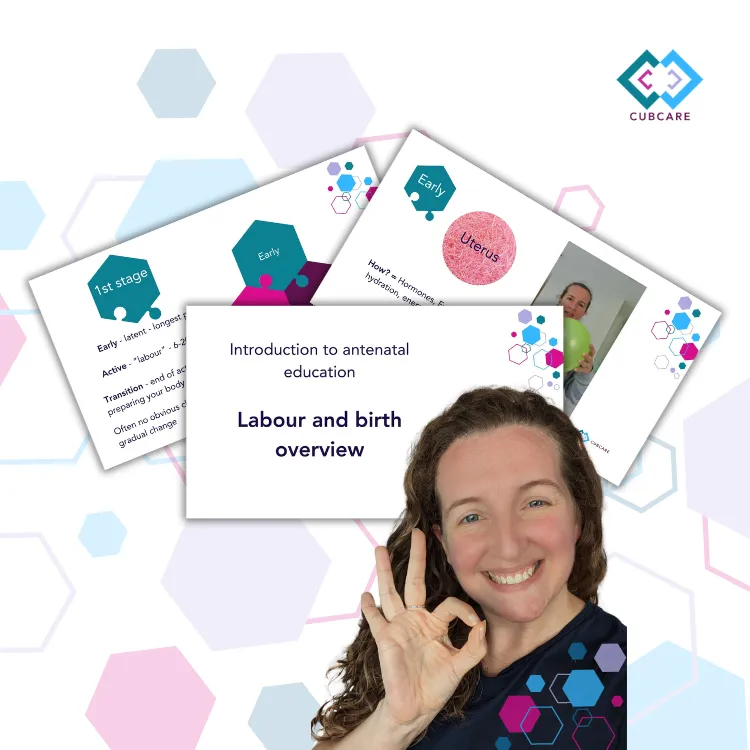
Labour and Birth
Watch our introduction to antenatal education webinar, our labour and birth overview - to start your antenatal education journey. Understanding the process, and what you can do to influence it.

Pregnancy Planner
Free Pregnancy Planner to help you prepare for a little one. Prepare your body, your mind, your finances and your home. Get organised, feel good and prepare for an active, positive birth.
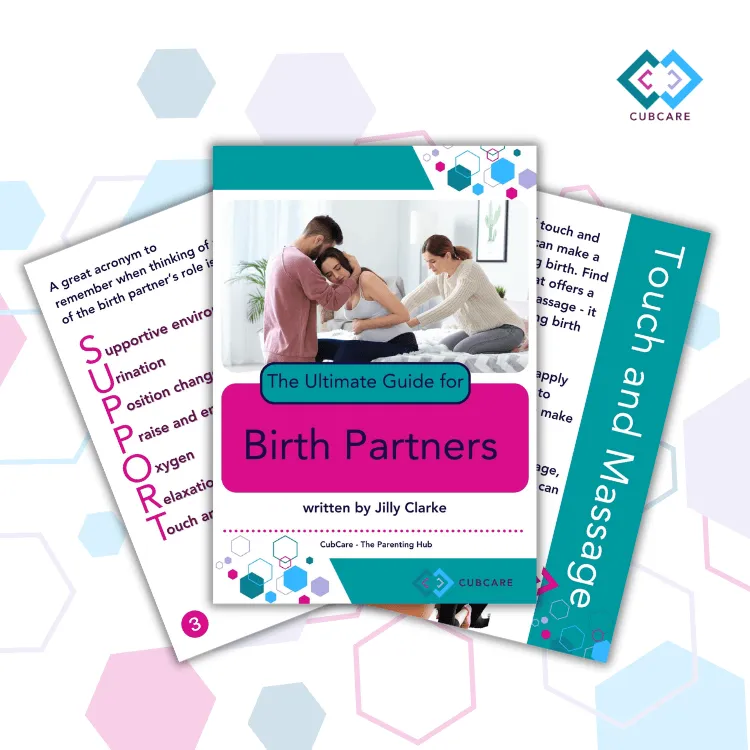
Birth Partner Guide
Your ultimate guide to being the best birth partner during pregnancy, birth and recovery. Learn what you need to do, and what you need to learn to be the best birth partner possible.
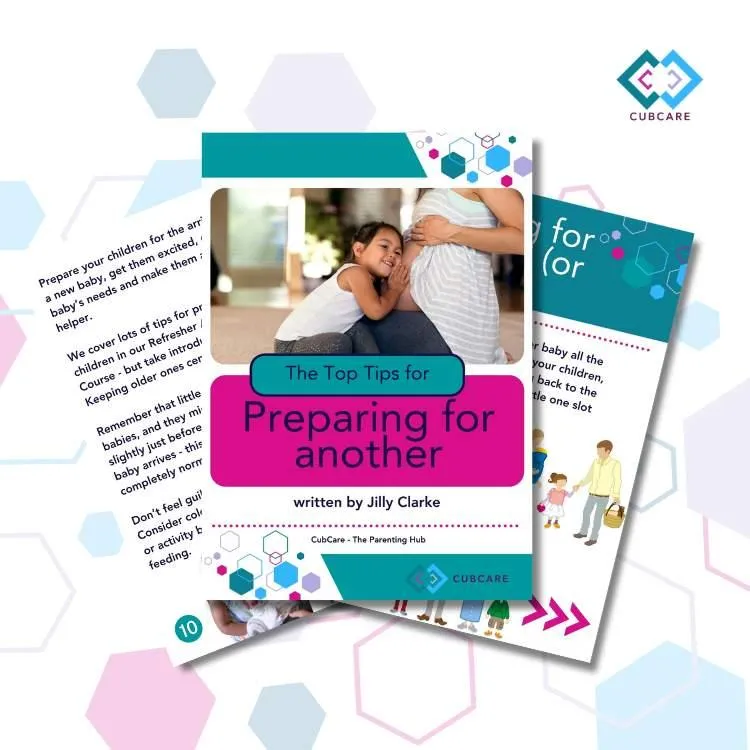
Expecting Again Guide
Your ultimate guide to preparing for another birth and an extra baby. Our top tips for navigating pregnancy and birth, and helping your older ones to transition into their new role as a big sibling.


Based in Welwyn Hatfield, offering local pregnancy support and doula services across Hertfordshire: St Albans, Hatfield, Welwyn Garden City, Potters Bar, Stevenage, Harpenden, Hitchin, Barnet, Mill Hill and surrounding areas.
Online antenatal and postnatal education available UK-wide.
© Copyright 2025 CubCare The Parenting Hub. CubCare is operated by The Birth and Baby Company Ltd. Company No. 15655287
Privacy Policy | Terms & Conditions | Medical Disclaimer | Inclusivity and Accessibility