We're an award winning Antenatal and Postnatal Education Platform 2025!
(read more here)
CubCare blogs.
From early pregnancy to newborn development.
Advice to help through pregnancy, birth and childhood.
BLOG
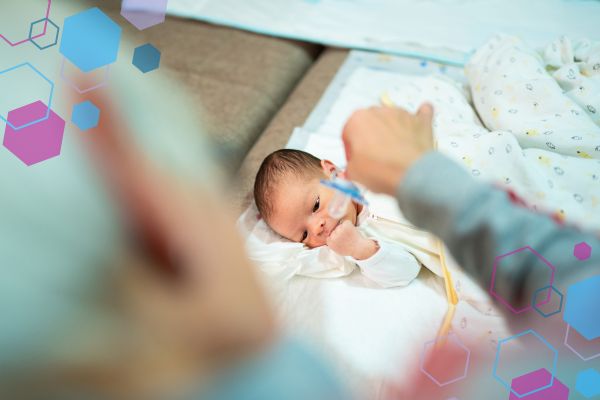
Grandparents’ guide: how to support postnatal recovery after birth
"Grandparents play a quiet but powerful role in postnatal recovery. The way you support rest, recovery and emotional safety shapes how well a new family heals." - Jilly Clarke, Grandparent Antenatal expert, founder of CubCare
Supporting someone after birth is rarely about knowing the “right” thing to do. It’s about understanding what recovery actually involves — physically, hormonally and emotionally — and offering care that makes healing easier rather than harder.
Across cultures and families, grandparents have always played a role in postnatal care. Many did this instinctively, through presence, food, protection and pacing. Others learned through experience, community, or necessity. What has often been missing — in formal healthcare systems — is shared language about recovery as a process in its own right.
This guide is written for grandparents who want to support postnatal recovery with care and confidence. It explores what the body and nervous system are doing after birth, where systems often fall short, and how grandparents can create the conditions that allow recovery to unfold without pressure or judgement.
Why postnatal recovery is so often under-supported
Across many healthcare systems, including the UK, postnatal care has traditionally focused on identifying complications rather than actively supporting recovery. Clinical checks, infant monitoring and discharge processes tend to take priority, while rest, healing and emotional adjustment are often assumed to happen naturally at home.
This is not a judgement on how families have supported one another. Many grandparents provided extraordinary care long before recovery language existed. But at a system level, postnatal recovery has rarely been treated as a structured phase requiring protection and support.
Modern guidance is clear that rest, nourishment, hydration and emotional support directly influence physical healing and mental health after birth (WHO, 2022).
In the UK, formal follow-up often centres around the 6–8 week GP postnatal check, which is a key opportunity to raise recovery concerns (NHS: Your 6-week postnatal check).
What postnatal recovery actually involves in the body
Every birth involves repair. The specifics vary, but the physiology is universal.
After a vaginal birth, the pelvic floor has supported the full weight of pregnancy and the intensity of labour. Muscles, connective tissue and nerves need time to regain function. Swelling, bruising and tenderness can last for weeks, sometimes longer.
After a caesarean birth, recovery follows major abdominal surgery. Multiple layers of tissue — skin, fascia, muscle and uterus — have been opened and repaired. Internal healing continues long after the surface wound appears settled. Everyday actions such as feeding, standing, laughing or coughing can feel unexpectedly demanding.
Across all births, recovery unfolds alongside sleep disruption, feeding demands, lifting and bending. When these physical realities are underestimated, recovery can feel heavier and more prolonged than expected.
What consistently supports healing is not intervention.
It is sustained, practical care.
Support that helps physical recovery includes:
regular access to fluids and warm, nourishing food
freedom to change position or move when they feel ready
soft supports across the lap or abdomen when feeding or holding the baby (never pressing directly on a caesarean scar)
ensuring essentials — water, snacks, medication, phone — are within reach before handing over the baby
These are not extras.
They create the conditions healing depends on.

Why emotional recovery after birth needs equal care
The hormonal shift after birth is the steepest drop the body experiences at any point in the lifespan.
Progesterone and oestrogen fall rapidly. Oxytocin fluctuates with feeding and contact. Adrenaline rises and falls. In this landscape, emotions can feel raw and close to the surface. Tears, joy, anxiety and overwhelm may all appear within short periods of time.
Up to around 80% of new parents experience the “baby blues” in the first week or two. For many, this resolves quickly. For others, low mood or anxiety persists or deepens.
Grandparents are often the first to notice early signs:
withdrawal or flatness
appetite changes
repeated comments such as “I should be coping better”
What helps most at this stage is not reassurance or advice.
It is emotional safety.
Simple, steady phrases like:
“You don’t have to hold it together.”
“You’re allowed to rest.”
These help regulate the nervous system, support oxytocin release, and ease emotional load. Emotional recovery and physical recovery are not separate processes.
How grandparents shape recovery more than they realise
When the intensity of birth fades and everyday life begins, grandparents often become the steady presence in the household.
Not through dramatic gestures.
Through consistency.
A cup of tea placed within reach.
Laundry folded without comment.
A warm meal shared without judgement.
A quiet “you rest — I’ve got this”.
When the intensity of birth fades and everyday life begins, grandparents often become the steady presence in the household — through consistency, not performance.
Research in first-time mothers shows clear relationships between social support and postnatal depression in the post-delivery period (Leahy-Warren et al., 2012).
Grandparents offer continuity that professionals cannot. Your pace, tone and respect for rest influence how safe recovery feels — and safety shapes healing.
Your pace, tone and respect for rest influence how safe recovery feels — and safety shapes healing.

What practical support from grandparents helps most after birth
Support that genuinely helps recovery tends to be simple and responsive:
meals that can be eaten warm
water refilled without being asked
surfaces kept calm and clear
holding the baby so your son or daughter can sleep or shower
protecting rest when visitors want to call
asking “What would help today?” and honouring the answer
If you experienced this care yourself, you will recognise its effect.
If you did not, you will understand why it matters.
This is postnatal care in real life: one person making space for another to recover.
When postnatal recovery doesn’t feel straightforward
Recovery rarely follows a neat timeline.
Healing can be slowed by infection, anaemia, unresolved pain or exhaustion. Emotional responses to birth, including trauma, sometimes surface weeks or months later.
You might notice:
tears that do not ease
meals left untouched
repeated expressions of overwhelm or doubt
You do not need to fix this.
You need to stay present.
Saying:
“This sounds heavy — let’s get some support around you.”
NICE guidance highlights that early postnatal follow-up and timely access to physical and emotional support are associated with improved recovery outcomes and reduced escalation of postnatal difficulties (NICE NG194).
When uncertainty is present, curiosity helps more than reassurance.
Listen. Stay open. Keep the door wide.
Why grandparent support changes recovery for the whole family
Postnatal recovery depends on being supported enough to rest for long enough to heal.
When new parents feel protected from judgement and pressure, confidence grows, hormones stabilise and recovery deepens.
That is what you make possible.
Support does not need to look perfect.
It needs to feel safe.
When a grandparent holds space for recovery, they are supporting more than healing. They are helping a family find its footing.
Learn more about supporting postnatal recovery as a grandparent
The CubCare Grandparents Course explores postnatal recovery in depth — including healing, hormones, emotional adjustment and modern postnatal realities.
It is designed to help grandparents support confidently and respectfully, without overstepping, and with the warmth families remember long after the early weeks.
Explore the CubCare Grandparents Course
Refresher Antenatal Course in person
Refresher Antenatal Course online
Birth Partner course (included in our Antenatal course)
Antenatal Course in person
Antenatal Course online
Easily navigate to our most popular Blog categories
Download our Freebies
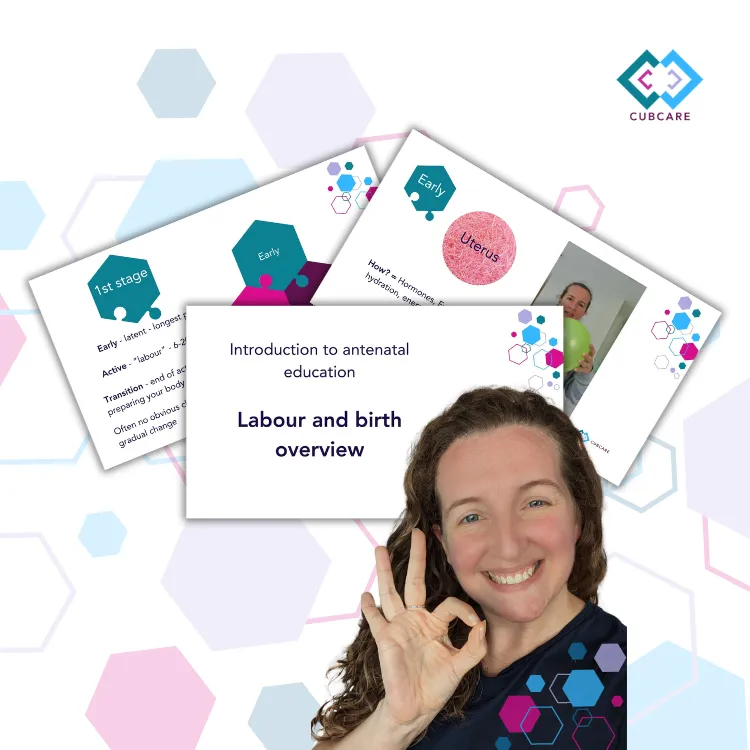
Labour and Birth
Watch our introduction to antenatal education webinar, our labour and birth overview - to start your antenatal education journey. Understanding the process, and what you can do to influence it.

Pregnancy Planner
Free Pregnancy Planner to help you prepare for a little one. Prepare your body, your mind, your finances and your home. Get organised, feel good and prepare for an active, positive birth.
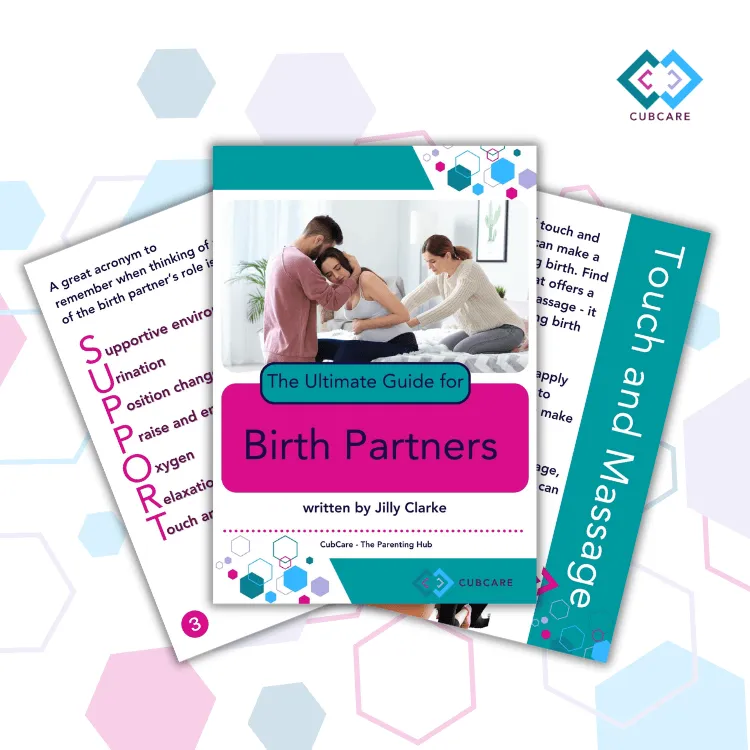
Birth Partner Guide
Your ultimate guide to being the best birth partner during pregnancy, birth and recovery. Learn what you need to do, and what you need to learn to be the best birth partner possible.
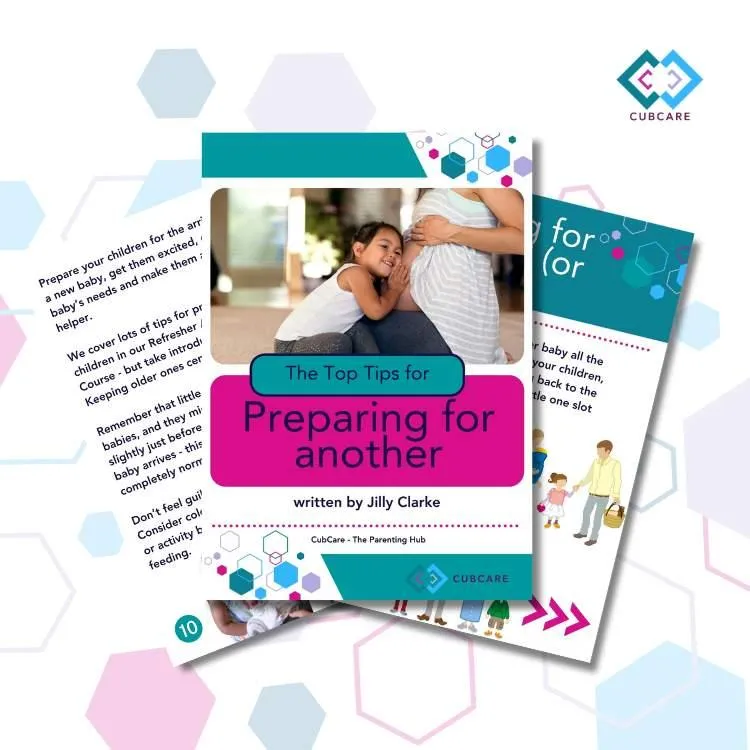
Expecting Again Guide
Your ultimate guide to preparing for another birth and an extra baby. Our top tips for navigating pregnancy and birth, and helping your older ones to transition into their new role as a big sibling.


Based in Welwyn Hatfield, offering local pregnancy support and doula services across Hertfordshire: St Albans, Hatfield, Welwyn Garden City, Potters Bar, Stevenage, Harpenden, Hitchin, Barnet, Mill Hill and surrounding areas.
Online antenatal and postnatal education available UK-wide.
© Copyright 2025 CubCare The Parenting Hub. CubCare is operated by The Birth and Baby Company Ltd. Company No. 15655287
Privacy Policy | Terms & Conditions | Medical Disclaimer | Inclusivity and Accessibility