
We're an award winning Antenatal and Postnatal Education Platform 2025!
(read more here)
CubCare blogs.
From early pregnancy to newborn development.
Advice to help through pregnancy, birth and childhood.
BLOG

From bystander to anchor | what real birth partner support looks like in labour
"As a birth partner, you need to stay emotionally present. Be steady. Be attentive. Let your body language say: you’re safe, I’m here, we’re doing this together. That’s what keeps oxytocin flowing and labour unfolding." - Jilly Clarke, Doula, Birth Partner Antenatal Specialist and founder of CubCare
Why simply “being there” isn’t enough as a Birth Partner
Ask most birth partners what their role is and they’ll say, “I’ll just be there for them.”
But “being there” often means standing close by and hoping for the best. It’s well-intentioned, but it’s passive — and in the intensity of a birth room, that passivity creates a glaring hole.
When things shift — when contractions change rhythm or decisions need to be made, when things get scary and uncertain — being nearby isn’t the same as being useful.
Real support means knowing what’s happening, reading the room, and acting with purpose: adjusting the environment, helping your partner change position, or reminding them they’re safe when doubt creeps in.
Those instincts aren’t instinctive; they’re learned.
And learning them before labour begins is what moves you from bystander to anchor.

What a birth partner actually does during labour
The short version: you protect the environment and support the process.
The fuller answer is that you become the bridge between physiology and emotion — helping comfort, connection and progress stay aligned. Being fully with you partner during the process is everything. That connection between you both will help drive labour forward. Hormones play a vital role in birth, and I like to teach that Birth Partners are the Oxytocin protectors.
That looks like:
• Physical support: counter-pressure, balance, guided breathing or gentle movement.
• Environmental support: keeping lighting low, voices soft and interruptions minimal.
• Emotional support: staying grounded and steady when intensity rises.
• Advocacy: helping your partner’s needs and preferences be understood.
These are quiet, consistent gestures. Your partner might be the star of the show, doing the main hard work, but without your supporting role, it wouldn’t be possible. Birth Partners keep adrenaline low, oxytocin flowing, and labour moving as nature intended.
This is consistent with findings from the Cochrane review (Hodnett et al., 2013), which highlights the benefits of continuous, grounded support. If you haven’t read it yet, this blog expands on why “standing in the corner hoping for the best” isn’t enough: The Silent Birth Partner Problem.

The physiology of birth support — how your calm changes labour
Labour isn’t just effort; it’s chemistry, environment and biomechanics.
A Birth Partner’s role is to promote all these elements – supporting positioning to aid angles and getting baby through the pelvis, helping to relieve tight muscles to make more space. Massage in labour isn’t just about relaxation – it can shift baby’s position when done with knowledge.
In a stressful environment, the chemistry can’t progress.
Oxytocin drives contractions and progress. Adrenaline slows them down. (Detailed hormonal mechanisms explained in Buckley, 2015)
Your partner’s hormones respond to their surroundings, and you are part of that feedback loop.
Your tone of voice, your breathing pace, the look on your face — all feed information to their nervous system about safety.
When you’re calm, their body stays in rhythm.
When you tense up or check out, their body detects it instantly.
Calm is a vital contribution to a physiological birth.
And it’s something you can practise — long before labour begins. This is exactly what our Birth Partner Course is all about.
How to stay calm as a birth partner when things get intense
Even when you’re prepared, labour can test you. The sounds, the emotion, the pace — it’s a lot.
But panic helps no one.
You need to prepare yourself to deal with the difficult moments, as much as your partner needs to prepare for birth.
Start with your breath. Slow it down. Help your partner match your rhythm. Keep your tone low and unhurried.
If you feel overwhelmed, take a slow breath and focus on one simple, repetitive action — gentle pressure on their back, a quiet phrase of reassurance, three steady breaths together. And remember, nobody is able to keep going indefinitely. Everybody needs a break, and that's ok. Just make sure that the birthing person is resting, or fully supported whilst you take a rest.
You don’t need to be fearless to be calm; you just need to understand what’s happening.
That knowledge keeps adrenaline down — in both of you.

Advocacy in labour: how birth partners protect space and communication
Advocacy isn’t about stepping in front of your partner or taking over the conversation. It’s much quieter than that. It’s noticing when the pace of the room suddenly speeds up and your partner hasn’t had a second to process what was just said.
When you’ve already talked through preferences — the kind of monitoring they’re comfortable with, how they like to move, what “pain relief” means to them — you can slow things down enough for them to think.
If something is suggested and you can see they’re trying to catch up, you can simply ask:
“Can we just take a moment?”
That’s usually all that’s needed. A pause. Space to breathe. A minute for your partner to hear themselves again before making a decision.
You’re not there to speak for them. You’re there to stop the room from rushing past them.
That’s advocacy — the calm, steady kind that helps your partner stay present and in control.
Helping labour progress naturally through environment and movement
You can’t control birth, but you can shape the conditions your partner is working in.
And those conditions matter far more than most people realise.
Upright, forward-leaning positions make space in the pelvis and help the baby find a better angle. A few sips of water, a loo break, a chance to lean into you instead of the bed — these sound basic, but they make the body’s job easier.
So does the atmosphere.
Lower the lights. Keep conversations minimal. Protect whatever sense of privacy you can.
All of these small decisions influence the hormonal balance your partner is trying to hold onto. Less adrenaline, more oxytocin. More flow, less stop-start.
Birth moves best when the environment works with the body, not against it.
This isn’t about doing more — it’s about understanding what genuinely helps and keeping the room aligned with that.
Upright and mobile positions increase pelvic diameter, improve fetal descent and are linked with shorter labours and fewer interventions in recent reviews (Jayasundara et al., 2024; Cochrane Pregnancy & Childbirth Group, 2023).
Why “doing nothing” is never neutral
A quiet birth partner isn’t automatically a calm one.
Silence can feel like absence, and when someone feels alone in labour, their body reacts instantly — heart rate up, focus gone, contractions losing their rhythm. That isn’t “not coping”; it’s the nervous system responding to a lack of support.
You don’t need to talk constantly or perform calmness, but you do need to be present in a way your partner can actually feel.
Close enough. Steady enough. Attentive enough that they’re not wondering where you are or what you’re thinking.
Your presence is part of the environment their body is working in.
When you stay with them — really with them — it helps their body keep going.
That’s what steadiness looks like.
And that’s what keeps labour moving, even when it gets intense.
Preparing together — and why it matters
When both of you understand how labour works, everything feels more manageable. You’re not walking in with one person holding all the knowledge and the other hoping to catch up. You’re arriving with the same understanding, the same language, and a sense that you’re in this together.
Learning what the stages look like, how to support physically, and how to respond when things change makes a huge difference. It means you’re not guessing. It means you both know what helps, what gets in the way, and how to keep the room steady when things get intense.
Confidence comes from that clarity — not bravado, not personality.
Once you understand the process, you stop second-guessing your instincts.
You can focus on your partner instead of worrying if you’re getting it wrong.
That’s the value of preparing together: you step into birth as a team, and you stay a team when it matters most.
→ Explore antenatal course for couples / the Birth Partner Course
Step up and anchor the room
Birth doesn’t need another bystander. It needs someone who knows how to hold steady when the room gets loud, who understands what helps and what gets in the way, and who can support without disappearing or taking over.
That’s the difference between standing in the corner and being the person your partner trusts more than anything in that moment.
It’s not natural talent.
It’s preparation — and a willingness to step up.
If that’s who you want to be, you can get ready for it.
→ Explore the Birth Partner Course
Refresher Antenatal Course in person
Refresher Antenatal Course online
Birth Partner course (included in our Antenatal course)
Antenatal Course in person
Antenatal Course online

Easily navigate to our most popular Blog categories
Download our Freebies
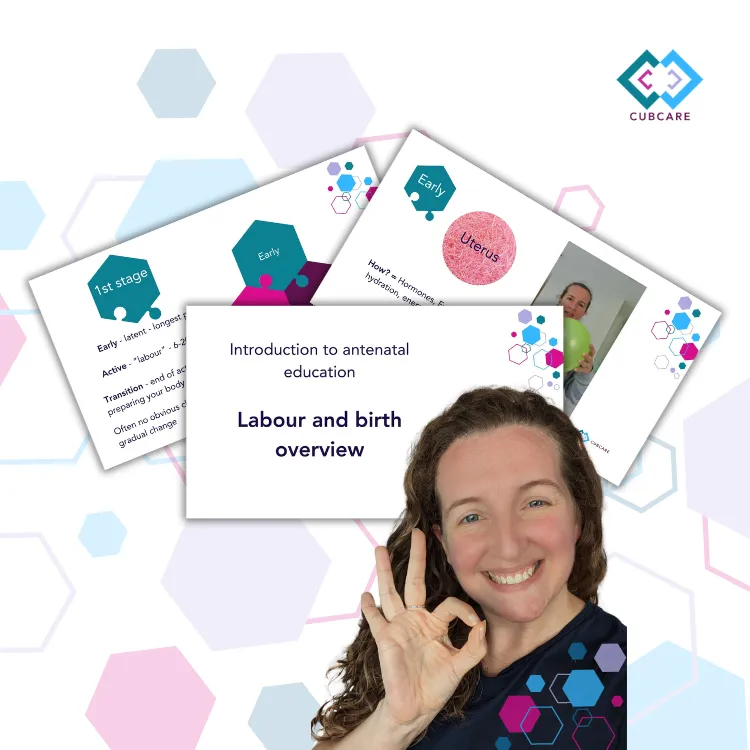
Labour and Birth
Watch our introduction to antenatal education webinar, our labour and birth overview - to start your antenatal education journey. Understanding the process, and what you can do to influence it.

Pregnancy Planner
Free Pregnancy Planner to help you prepare for a little one. Prepare your body, your mind, your finances and your home. Get organised, feel good and prepare for an active, positive birth.
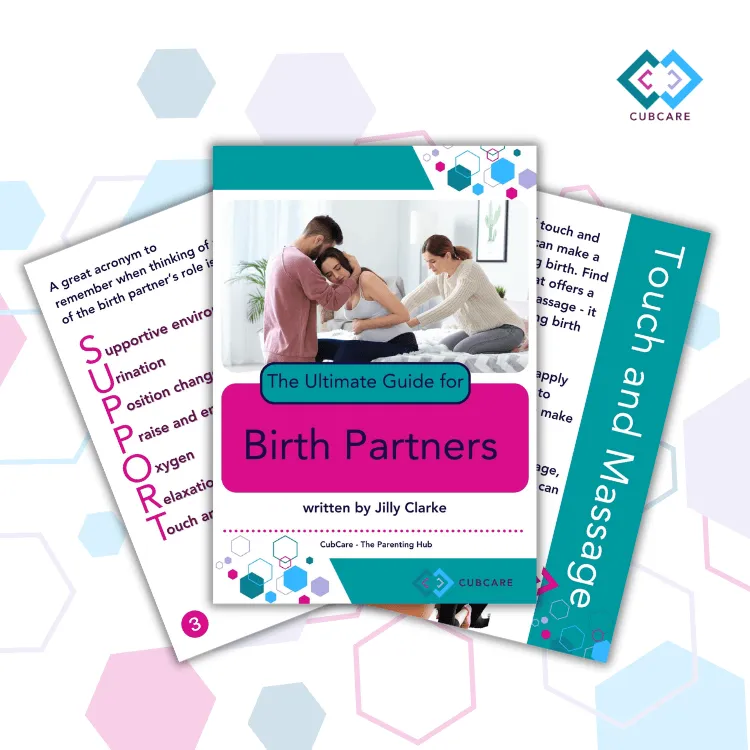
Birth Partner Guide
Your ultimate guide to being the best birth partner during pregnancy, birth and recovery. Learn what you need to do, and what you need to learn to be the best birth partner possible.
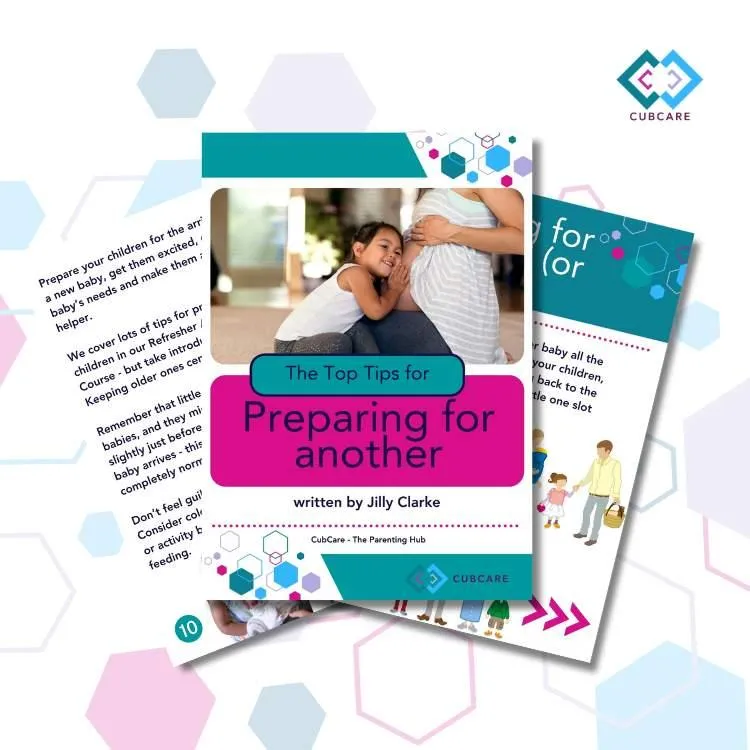
Expecting Again Guide
Your ultimate guide to preparing for another birth and an extra baby. Our top tips for navigating pregnancy and birth, and helping your older ones to transition into their new role as a big sibling.


Based in Welwyn Hatfield, offering local pregnancy support and doula services across Hertfordshire: St Albans, Hatfield, Welwyn Garden City, Potters Bar, Stevenage, Harpenden, Hitchin, Barnet, Mill Hill and surrounding areas.
Online antenatal and postnatal education available UK-wide.
© Copyright 2026 CubCare The Parenting Hub. CubCare is operated by The Birth and Baby Company Ltd. Company No. 15655287
Privacy Policy | Terms & Conditions | Medical Disclaimer | Inclusivity and Accessibility