
We're an award winning Antenatal and Postnatal Education Platform 2025!
(read more here)
CubCare blogs.
From early pregnancy to newborn development.
Advice to help through pregnancy, birth and childhood.
BLOG
Birth isn’t luck: how support, fear, and preparation shape birth outcomes
"When people say they were ‘lucky’ with their birth, what they usually mean is that they felt supported, understood, and able to stay involved when it mattered." - Jilly Clarke, Doula, Antenatal Education Specialist and founder of CubCare
Birth is often talked about as a roll of the dice.
You’ll hear it everywhere — “You never know what you’re going to get”, “We were just lucky”, “It all went wrong so fast”. If you’re pregnant, that language lands heavily. It suggests that no matter how much you prepare, birth will simply happen to you.
But when you look more closely — at physiology, emotional safety, and the research — birth experiences and outcomes are shaped by far more than chance.
They are shaped by support, fear, preparation, and how decisions are handled while labour is unfolding.
This is where doula support matters.
How support during labour actually affects how birth unfolds
Support doesn’t just make birth feel nicer. It changes how labour works.
Labour relies on rhythm, focus, and energy. Anything that repeatedly pulls someone out of that rhythm — confusion, anxiety, feeling watched or rushed — costs energy that labour needs.
Continuous, skilled support helps protect those conditions.
When someone has a doula with them throughout labour, there are often:
• fewer interruptions and re-orientations
• fewer moments of panic when intensity increases
• less energy spent trying to “work out what’s happening”
• more ability to stay with the body as labour progresses
This is reflected clearly in the research.
A large Cochrane review analysing multiple studies found that people who had continuous support during labour were more likely to:
• have a spontaneous vaginal birth
• experience shorter labours
• avoid instrumental birth
• report more positive birth experiences
They were also less likely to have a caesarean birth, with no evidence of harm from continuous support.
A doula’s role isn’t to manage labour — it’s to protect the conditions labour needs to work.

How fear and safety influence labour physiology
Fear in labour is rarely dramatic.
More often, it shows up physically:
• shallow breathing
• tension through the jaw or shoulders
• difficulty focusing
• a sudden urge to escape or stop
From a physiological perspective, fear activates the stress response. Adrenaline rises. Oxytocin — the hormone that drives labour — becomes harder to release efficiently.
This can:
• slow or stall labour
• increase pain perception
• make contractions feel less coordinated
• increase exhaustion
When someone feels safe, supported, and understood, the nervous system is more likely to down-regulate. Oxytocin can flow more freely. Labour often becomes more rhythmic and manageable.
This link between emotional safety and labour hormones is well documented. Research into childbirth shows that when physiological or psychological stress is high, the release and effectiveness of oxytocin can be disrupted, which can affect how labour progresses. Being in a supportive, calm environment helps the body release oxytocin more effectively, which supports contraction rhythm and can reduce fear, stress, and pain during labour.
A doula supports safety not through reassurance alone, but through presence — staying, explaining, grounding, and helping intensity feel contained rather than overwhelming.

How decisions feel different once labour is underway
Labour works best when it can happen in the background, guided by the body rather than the thinking mind. Decisions that arrive under pressure pull attention out of that space, which is why supported, slower conversations matter so much in birth.
When decisions are rushed, unexplained, or poorly timed, people are more likely to:
• defer rather than actively choose
• agree without fully understanding
• feel later that things “happened to them”
A doula doesn’t take decisions away from you. They help them land without pulling you fully out of labour — slowing the moment, clarifying language, and supporting involvement even under pressure.
This is one of the strongest protective factors against birth trauma.
What real preparation for birth actually looks like
Preparation isn’t about predicting outcomes.
It’s about reducing shock.
People who prepare well tend to:
• understand what labour sensations might feel like
• know what’s normal and what might need attention
• recognise common decision points before they arise
• feel more confident navigating conversations under pressure
Practical preparation often includes:
• talking through different labour scenarios, not just ideal ones
• understanding common interventions and why they’re offered
• preparing partners for what labour can look and sound like
• exploring coping strategies that work when thinking narrows
• planning for recovery as well as birth
A doula supports this preparation by slowing it down — talking decisions through properly, revisiting them over time, and helping choices feel steadier rather than rushed or overly loaded.
When plans change, prepared people are less likely to feel blindsided. They may still feel disappointed, but they’re less likely to feel powerless.

Why people in the UK are turning to doula support
In the UK, caesarean section rates have risen over time, alongside growing awareness of birth trauma and postnatal mental health difficulties.
Many parents aren’t trying to avoid medical care. They’re trying to:
• feel more involved in what happens
• reduce unnecessary intervention
• protect their emotional wellbeing
• ensure someone stays focused on their experience
The World Health Organization recommends continuous support during labour as part of respectful, high-quality maternity care, recognising its impact on both outcomes and experience.
Doulas sit alongside NHS care, not in opposition to it — offering continuity in a system where continuity is not always possible.
If birth isn’t luck, what actually shapes the experience?
When people describe positive births, they rarely talk about luck alone.
They talk about:
• feeling supported rather than alone
• understanding what was happening as it happened
• having time to process decisions
• being treated with respect
• feeling held, even when things were intense
Those experiences aren’t accidental.
They’re shaped by preparation, support, communication, and emotional safety — the very things doula support is designed to protect.
What this means for you
You don’t need to predict how your birth will unfold.
You don’t need to aim for a particular outcome.
What you can consider is how supported you want to feel while it’s happening — and what might help you stay grounded if things become intense or unexpected.
If you’re pregnant and thinking about preparation, support, or whether a doula could make a difference to your experience, you don’t have to work that out alone.
You’re welcome to get in touch to talk through what doula support might look like for you — and how support and preparation can shape not just what happens, but how it feels.
Get in touch to talk about doula support for your birth.
→ Explore antenatal course for couples / the Birth Partner Course
Refresher Antenatal Course in person
Refresher Antenatal Course online
Birth Partner course (included in our Antenatal course)
Antenatal Course in person
Antenatal Course online

Easily navigate to our most popular Blog categories
Download our Freebies
Labour and Birth
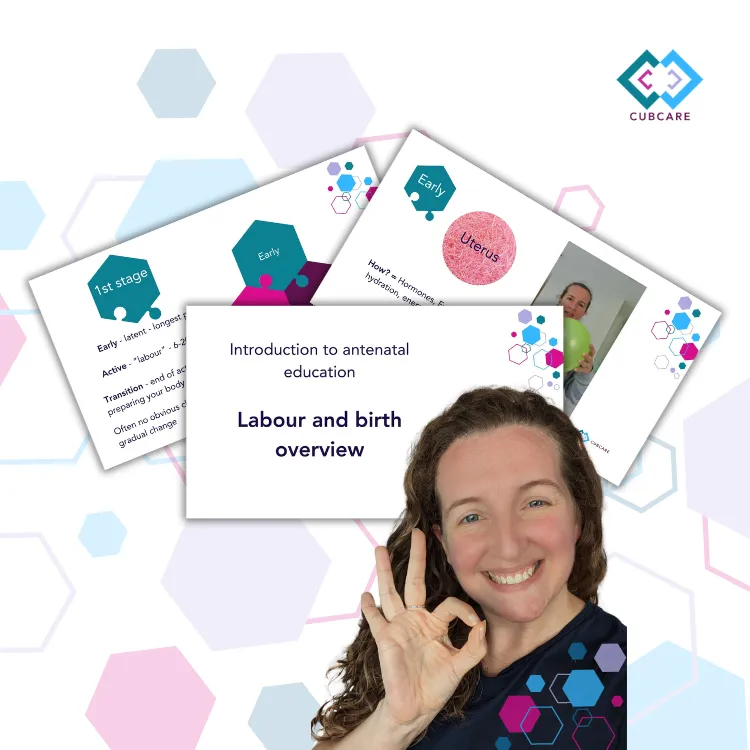
Watch our introduction to antenatal education webinar, our labour and birth overview - to start your antenatal education journey. Understanding the process, and what you can do to influence it.

Pregnancy Planner
Free Pregnancy Planner to help you prepare for a little one. Prepare your body, your mind, your finances and your home. Get organised, feel good and prepare for an active, positive birth.
Birth Partner Guide
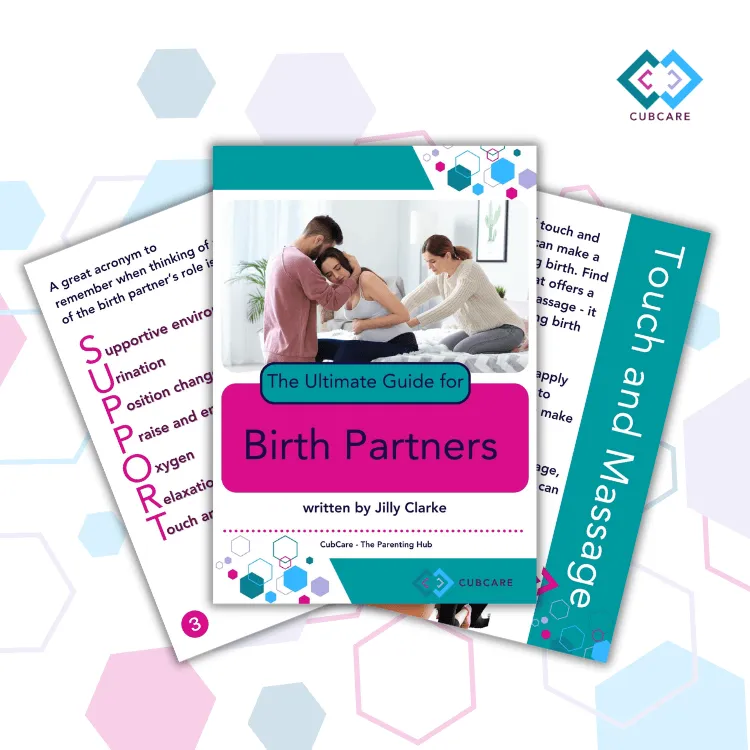
Your ultimate guide to being the best birth partner during pregnancy, birth and recovery. Learn what you need to do, and what you need to learn to be the best birth partner possible.
Expecting Again Guide
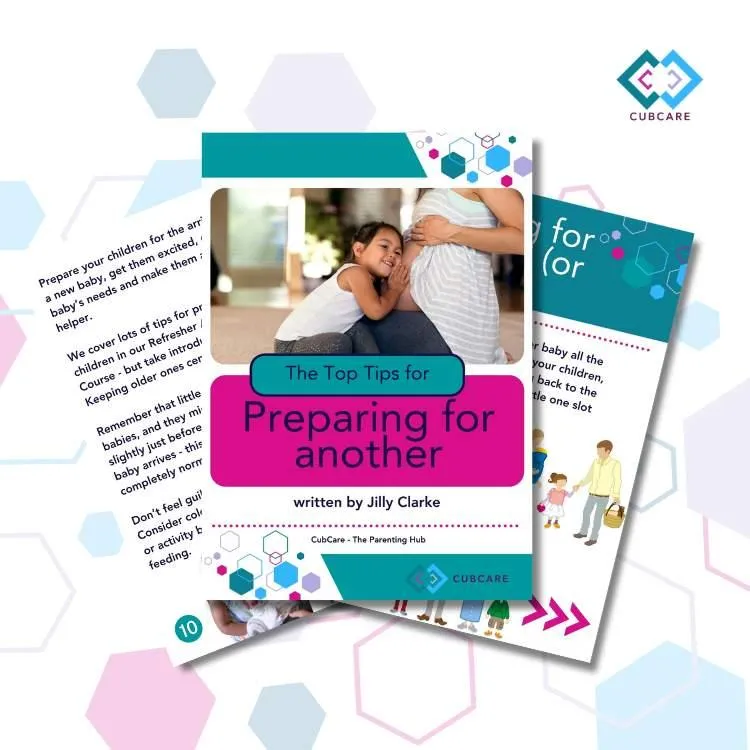
Your ultimate guide to preparing for another birth and an extra baby. Our top tips for navigating pregnancy and birth, and helping your older ones to transition into their new role as a big sibling.


Based in Welwyn Hatfield, offering local pregnancy support and doula services across Hertfordshire: St Albans, Hatfield, Welwyn Garden City, Potters Bar, Stevenage, Harpenden, Hitchin, Barnet, Mill Hill and surrounding areas.
Online antenatal and postnatal education available UK-wide.
© Copyright 2025 CubCare The Parenting Hub. CubCare is operated by The Birth and Baby Company Ltd. Company No. 15655287
Privacy Policy | Terms & Conditions | Medical Disclaimer | Inclusivity and Accessibility